Digital Productivity, Online planners, Planners
18 Month Planner Guide: Extended Planning Solutions
Apr
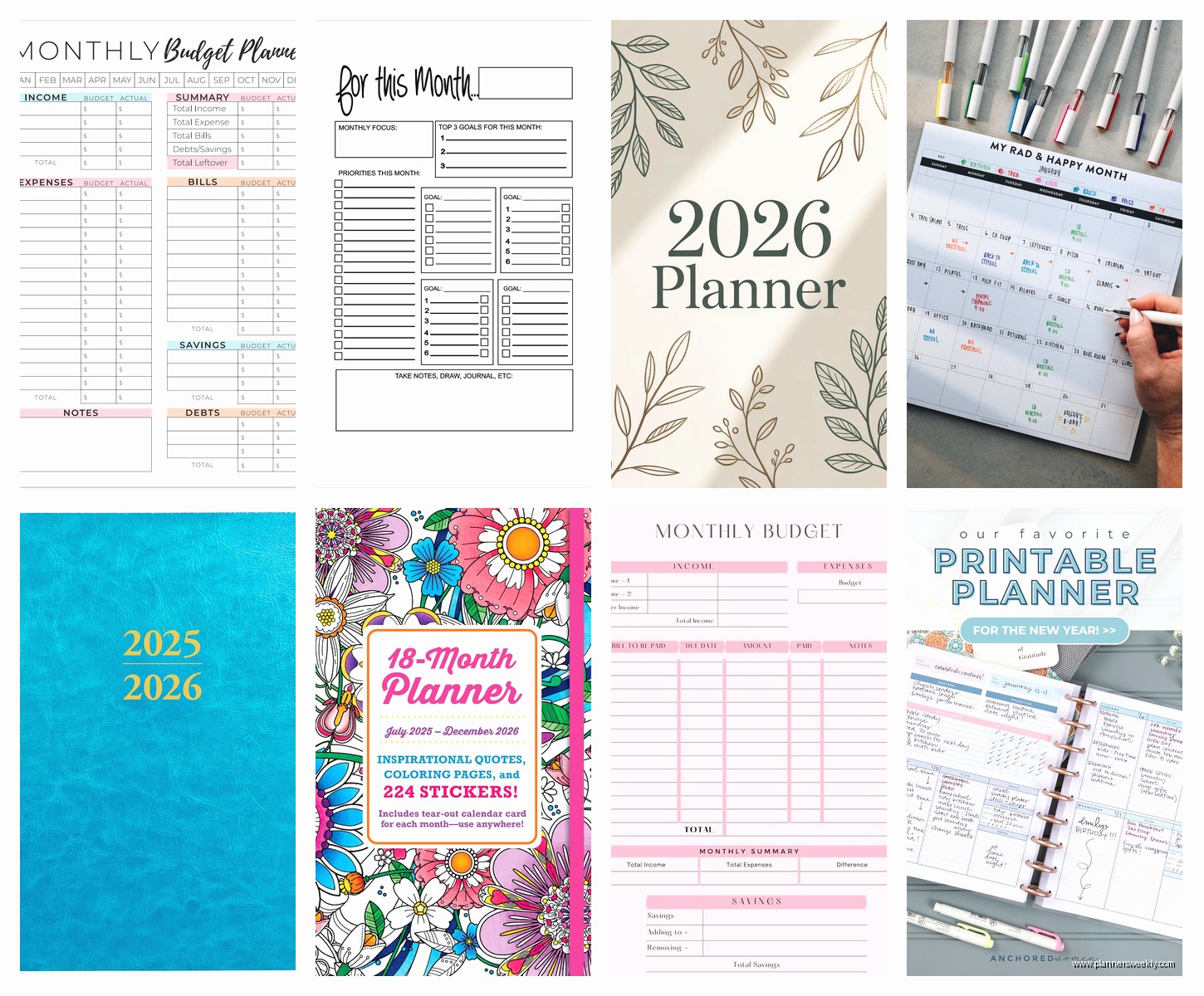
Okay so I’ve been testing 18-month planners for like three months now and honestly they’re such a different beast from the regular 12-month ones everyone defaults to. The whole extended planning thing really changes how you use them.
Why This Timeline Actually Works
Here’s the thing nobody tells you about 18-month planners – they usually run from like July or August through December of the following year. So you’re getting that awkward second half of the current year PLUS the entire next year. At first I thought this was annoying but then I realized it’s actually perfect for people who don’t want to switch planners mid-year when they’re actually productive and in a groove.
The Erin Condren 18-month is probably what you’ve seen on Instagram. It runs July to December and comes in like a million colorful covers. I tested the coiled one because I’m gonna be honest, I hate when planners don’t lay flat. The layout is pretty standard – weekly spreads with hourly slots from 7am to 9pm. What I actually love about this one is the monthly view has enough space to write actual words, not just dots or abbreviations.
But here’s where it gets interesting – the Blue Sky Academic planners are technically 18-month too, running from July through December. These are way cheaper, like $15-20 compared to Erin Condren’s $35-50. The paper quality is thinner though, so if you’re using gel pens or markers, you’re gonna get bleed-through. Found that out the hard way when I was testing my Mildliners on it.
Digital vs Physical for Extended Planning
So I know you asked about physical planners but I gotta mention the digital side because it matters for 18-month planning specifically. Google Calendar obviously does extended planning forever, and I use it for recurring stuff that spans multiple years. But here’s what I discovered – having an 18-month physical planner alongside digital actually makes more sense than having a 12-month one.
The reason is you can block out major life events and commitments across that longer timeline. Like I had a client who knew she was moving in month 14 of her planner, and having that visible every time she opened to any monthly spread meant she wasn’t over-committing to projects that would overlap with moving chaos.
Platform Breakdown for Physical Planners
Passion Planner makes an 18-month version that I tested for about two months. The roadmap section at the beginning is actually useful here because you’re plotting out a longer timeframe. They have this whole goal-setting framework built in which sounds cheesy but when you’ve got 18 months to work with, breaking down a big goal into quarterly chunks actually… works? I used it to plan out my blog content schedule and I’m still roughly on track, which never happens.
The dated daily pages though – that’s a lot of planner. The 18-month daily version is THICK. Like intimidatingly thick. I switched to their weekly after three weeks because I felt guilty every time I looked at all those blank daily pages. The weekly gives you enough space for actual planning without the guilt spiral.
Oh and another thing about Passion Planner – they do this split where you can start in January or in July. So you can get the January-start 18-month (January through June of year 2) or the July-start (July through December of year 2). This matters if you’re reading this in like March and don’t want to buy a planner that’s already missing months.
The Binding Situation Nobody Talks About
Okay so this is gonna sound weird but the binding type completely changes how you use an 18-month planner. I tested spiral/coiled, disc-bound, and traditional sewn binding.
Coiled planners (like Erin Condren, Blue Sky, some Moleskine versions) lay completely flat which is essential when you’re flipping back and forth between months. With 18 months of content, you’re doing a LOT more page-flipping to reference future months. My cat knocked my coiled planner off the desk twice and it survived fine, but I’ve heard the coils can get bent.
Disc-bound systems like the Happy Planner 18-month version are interesting because you can remove months as they pass. I actually loved this feature? Once July was over, I took out those pages and suddenly my planner was lighter. By month 10, it was way more portable. The disc system also means you can add your own pages in the middle, which I did for a project that needed extra tracking sheets.
Traditional sewn binding (like the Moleskine 18-month weekly notebook) feels more premium but doesn’t lay flat unless you break the spine. I’m weird about breaking spines so this annoyed me. Also these tend to be heavier because the paper quality is usually better.
Layout Styles That Actually Matter
Wait I forgot to mention – the layout matters SO much more in an 18-month planner than a regular one. Here’s what I tested:
Horizontal weekly layouts – each day gets a column across the page. This is what most people are used to. The Erin Condren and Blue Sky both use this. Good for people who need to see the whole week at once. Not great if you have a lot to write for individual days.
Vertical weekly layouts – days are stacked vertically down the page. Happy Planner does this. Gives you more writing space per day but you can’t see the full week without scrolling your eyes down the page. I liked this better for meal planning and detailed scheduling.
Hourly vs. boxed space – Some have actual hourly time slots printed (usually 7am-9pm). Others just give you a blank box per day. I thought I wanted hourly slots but then realized I was ignoring them and just writing in the boxes anyway. If you actually schedule appointments by the hour, get the hourly. If you’re more task-oriented, the boxes are less cluttered.
The Plum Paper 18-month planner lets you customize which layout you want, which is amazing but also overwhelming. I spent like 45 minutes clicking through options. My client canceled so I spent an hour comparing the different hourly configurations they offer – 6am start vs 7am start, 30-minute vs 60-minute increments.
Size Considerations for Extended Planning
This is huge. An 18-month planner in a large size is basically a textbook. I tested:
Classic/Medium size (around 7×9 inches) – the sweet spot honestly. Fits in most bags, enough writing space, not too heavy even with 18 months of pages. The Erin Condren LifePlanner and Blue Sky planners are around this size.
Large/Big size (8.5×11 or A4) – these are desk planners. Don’t even try to carry them around. I used the large Passion Planner for a month and it lived on my desk exclusively. Great if you need lots of space and aren’t mobile. Terrible if you commute or work from coffee shops.
Mini/Compact size (5×8 or smaller) – honestly too small for 18 months of planning unless you have tiny handwriting or just do very minimal planning. The small Moleskine 18-month weekly is cute but I couldn’t fit my actual schedule in it.
The Paper Quality Thing
Okay so funny story – I thought paper quality didn’t matter that much until I used a cheap 18-month planner with that really thin paper. Because you’re handling these pages for longer (18 months vs 12), the paper quality actually degrades more noticeably.
The pages in my Blue Sky planner started getting soft and fuzzy around month 8. The Erin Condren paper held up better but it’s not fountain pen friendly if you care about that. Passion Planner uses thicker paper that handled all my pens well – I tested Microns, Pilot G2s, Sharpie pens, and Stabilo fineliners.
For people who use watercolors or heavy washi tape, you need at least 80gsm paper. Most planners are 70gsm or less. The Plum Paper premium option goes up to 80gsm but you pay extra for it.
Specific Platform Recommendations
If you’re still reading this and just want me to tell you which one to buy:
For people who like structure and pretty things – Erin Condren 18-month LifePlanner. Yes it’s expensive but it’ll last the full 18 months without falling apart. The coiled binding is sturdy and it comes with stickers if you’re into that.
For people on a budget – Blue Sky Academic year planners. They’re sold everywhere (Target, Amazon, office supply stores) and they’re cheap enough that if you hate it, you’re not out much money. The Blue Sky Bakery collection has cute designs without being too busy.
For customization people – Plum Paper lets you pick everything. Layout, size, add-ons, color scheme. Takes 2-3 weeks to ship because they make it custom but if you’re picky about your setup, this is worth it.
For goal-focused planning – Passion Planner 18-month. The goal-setting framework actually helps you use that extended timeline effectively. Get the weekly, not the daily, unless you really love writing.
For flexibility – Happy Planner 18-month in the disc system. Being able to remove months, add pages, and customize the thickness as you go is underrated.
What About Starting Mid-Year
Wait I forgot to mention – if you’re buying this in like October, you might feel weird buying a planner that started in July. Here’s what I tell people: just start using it from where you are. Yeah you’ll have blank months at the beginning, but you can use those pages for notes, lists, or project planning. Or just rip them out if it’s a disc system.
Some people buy TWO planners – a regular 12-month January-start for “official” planning and then add an 18-month later when they find one they like. This is chaotic but I’ve seen it work for people who are really into planning.
The AT-A-GLANCE 18-month planners are good for this because they’re cheap enough to double up on. They’re basic but functional, sold at office supply stores, nothing fancy but they work.
Making the Most of Extended Pages
The extra 6 months at the beginning or end of your planner can actually be strategic. If you get a July-start planner in January, those first 6 months become your long-term planning section. I used mine to:
- Map out blog content themes for the year
- Block out vacation time and major events
- Track habit patterns from the previous year
- Plan gift-giving for the whole year so I’m not scrambling
One of my productivity coaching clients uses the “past” months in her 18-month planner as a review section. She goes back and notes what actually happened vs what she planned, which sounds tedious but she says it helps her plan more realistically going forward.
The thing with 18-month planners is they’re really for people who either plan way ahead OR who hate switching planners mid-productivity-streak. If you’re someone who likes a fresh start every January, these might feel off. But if you’re deep into a project in December and don’t want to transfer everything to a new system, that extra 6 months is perfect.
I’m currently using an Erin Condren that goes through December and honestly I’m already less stressed about the planner transition than I usually am at year-end. I can just keep going without the whole migration process.