
Digital Productivity, Online planners, Planners
2026 A6 Diary: Best Compact Planning Options

Feb
Okay so I’ve been testing A6 diaries for the past three weeks because honestly the 2026 versions started hitting my desk in like October and I got a bit obsessed. Here’s what you actually need to know before spending money on something you’ll use every single day.
The Size Thing Everyone Gets Wrong
First thing – A6 is smaller than you think if you haven’t held one. It’s 105mm x 148mm which sounds like numbers that mean nothing, but it’s basically the size of a postcard. I thought I wanted compact until I tried actually writing my daily tasks in one while sitting at a cafe and my handwriting looked like a child’s. If your handwriting is on the larger side, you’re gonna struggle. Mine’s pretty average and I can fit maybe 6-7 tasks comfortably per day before it starts looking cramped.
The reason I’m even testing these is because two of my clients specifically asked for A6 recommendations – they commute on packed trains and literally have no desk space. So this size makes sense for specific situations, not just because they’re cute.
Paper Quality Matters More at This Size
When you’re working with limited space, paper quality becomes critical because you can’t afford bleed-through stealing even more of your writing area. I tested all of these with my usual rotation of pens – Pilot G2 0.7, Muji gel pens, and a Stabilo fineliner because that’s what most people actually use.
The Leuchtturm1917 A6 for 2026 has 80gsm paper which is their standard. It’s good but not great with wet pens. I got slight ghosting with the G2 which annoyed me because that’s my everyday pen. The pages are numbered though which is actually useful if you’re the type to reference back to specific days. There’s an index at the front too but honestly at this size I never use it.
Oh and another thing – the Moleskine 2026 daily A6 has this weird thing where the paper feels different from their previous years? I have the 2025 version and I swear they changed something. It’s smoother now, almost too smooth. My handwriting slides around more. But the bleed-through is better than Leuchtturm with the same pens. The elastic closure is tighter this year too which I only noticed because it left a dent in the pages when I shoved it in my bag.
Layout Options That Actually Work
Most A6 diaries come in week-to-view because day-per-page at this size is ridiculous unless you write in tiny font. I tried the Paperchase day-per-page A6 and it’s basically useless unless you’re only tracking like three things per day.
Week-to-view vertical layout is what I’d recommend for most people. The Hobonichi Weeks is technically A6-ish (it’s slightly taller) and it’s the gold standard for this format. The 2026 version has the same Tomoe River paper which is thin but handles fountain pens without bleeding. Wait I forgot to mention – this is gonna sound weird but the thinness actually makes the diary less bulky even though it has more pages than competitors. Mine has like 240 pages but it’s still slimmer than a 200-page Leuchtturm.
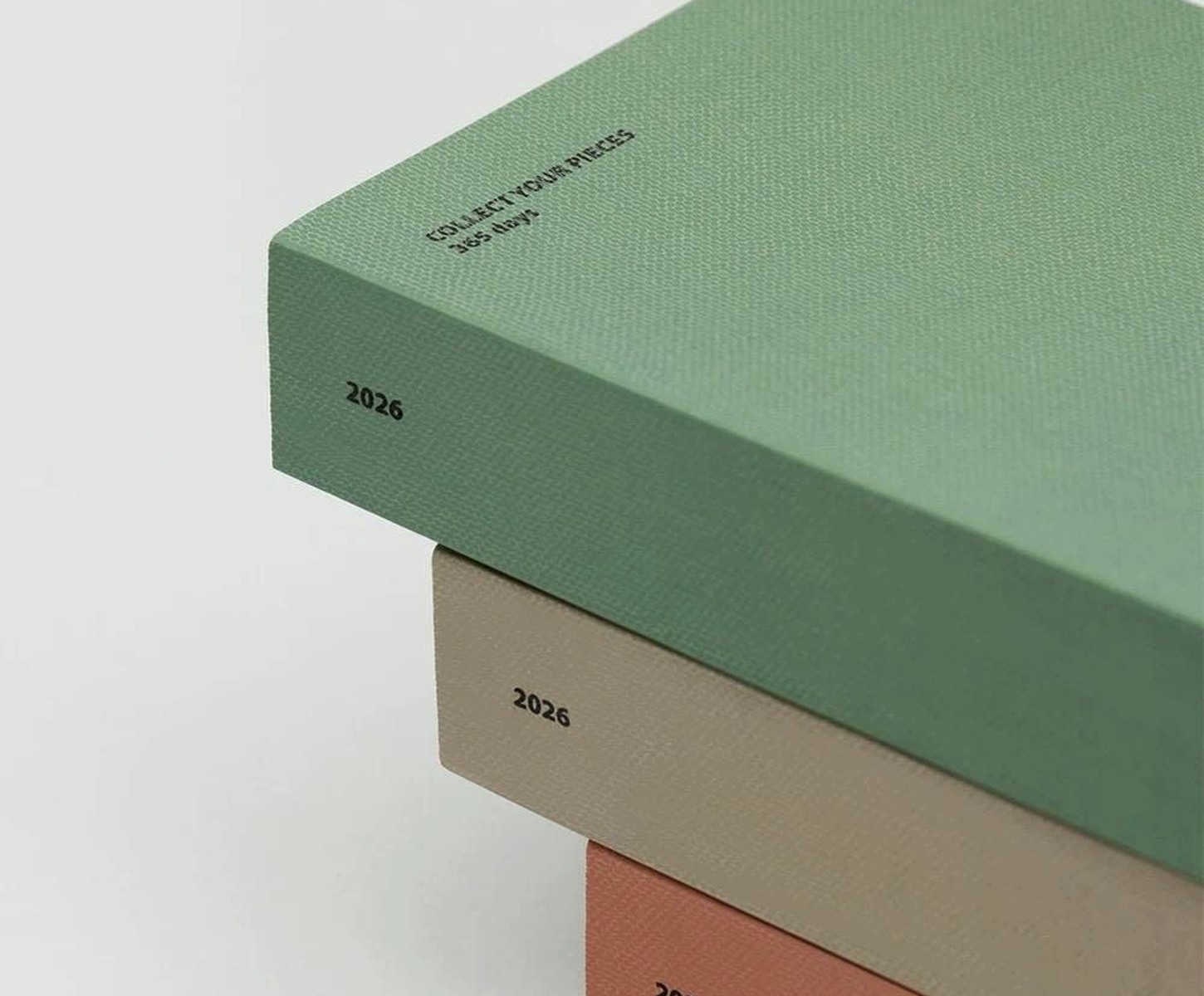
The downside of Hobonichi is the price. It’s around £35-40 depending on where you buy it, plus you’ll probably want the cover which is another £20-30. But the paper quality is unmatched and there’s a whole community of people who use these, so you can find inspiration for layouts online.
The Budget Alternative Nobody Talks About
Okay so funny story – I was in Poundland last week looking for birthday cards and they had these own-brand A6 diaries for literally £3. I grabbed one expecting it to be garbage for testing purposes and honestly? The paper is better than expected. It’s probably 70gsm, handles ballpoint fine, gel pens have minimal ghosting. The layout is basic week-to-view horizontal which isn’t my favorite but totally functional.
The binding is where you notice the price difference – it’s glued rather than stitched so I wouldn’t trust it for the full year if you’re rough with your diary. But as a starter option to see if you even like the A6 size, it’s perfect.
The Hybrid Options
This is where it gets interesting because some brands realized pure diary layouts are limiting at small sizes. The Rhodia Goalbook A6 is technically undated but you can use it for 2026 by dating it yourself. It has dot grid pages with this goal-tracking system built in. The paper is Clairefontaine 90gsm which is chef’s kiss for paper quality – my fountain pens don’t even think about bleeding through.
I spilled coffee on mine last Tuesday which actually tested the paper quality accidentally and the pages didn’t buckle as much as I expected. They wrinkled but dried flat-ish. My cat knocked my water bottle onto a Moleskine once and those pages were wavy forever.
The Stalogy A6 is another one that’s technically a notebook but people use it as a dated diary. It has this minimalist approach with just grids and you add your own dates. The 2026 version has the same subtle grey grid that doesn’t compete with your writing. Each page has a section number and date field at the top. Paper is great quality, around 80-85gsm, and it lays completely flat which is rare for books this small.
Features You Think You Want But Don’t
Elastic closures seemed essential to me until I realized they wear out and create dents in the pages. Ribbons are actually more useful for marking your current week. The Leuchtturm has two ribbons, Moleskine has one, Hobonichi has none but has this yearly index that’s surprisingly effective.
Perforated pages sound good but at A6 size, if you’re tearing out pages regularly, you might as well use a spiral notebook instead. The only time I use tear-out pages is for shopping lists, and even then it’s rare.
Inner pockets are actually useful at this size because you can store receipts or tickets. Both Leuchtturm and Moleskine have expandable pockets at the back. The Hobonichi has a plastic pocket in the back cover which is thinner and I prefer it.
International Holidays and Week Starts
This matters more than you’d think. If you’re in the UK, check that your diary has UK holidays marked. I once bought a diary that only had US holidays and it threw off my planning for the entire year. Most major brands now offer regional versions but budget options often don’t.
Week start day is personal preference but I’ve found most of my clients prefer Monday starts for work planning. Some Japanese brands like Hobonichi offer both Sunday and Monday start options. The 2026 Hobonichi has this clearly marked on their website which I appreciate.
The Dark Horse Recommendation
Wait I forgot to mention the Kokuyo Jibun Techo which literally translates to “self diary” and it’s this Japanese planning system that comes in A6 slim. It’s got three booklets – a yearly planner, monthly planner, and weekly planner that all fit together. For 2026 they’ve kept the same system which works really well if you like separating different planning levels.
The paper is great quality, around 80gsm, and it handles most pens well. The weekly section has hourly time blocking from 6am to midnight which is either perfect or overwhelming depending on your planning style. There’s also a life log section for tracking habits and a grid section for notes. It’s comprehensive without being cluttered, which is hard to achieve at this size.
The downside is availability outside Japan – you’ll probably need to order from a specialist stationery shop or Amazon Japan. Price-wise it’s around £30-35 which is reasonable for what you get.
Color Options for 2026
Most brands have expanded their color ranges for 2026. Leuchtturm has like fifteen colors now including some new muted tones – sage green, dusty pink, navy. Moleskine stuck with their classic black and red but added a denim blue that’s actually really nice. Hobonichi has seasonal covers plus the Avec version which splits the year into two books if you don’t want to carry six months of past entries around.
I’m currently using a forest green Leuchtturm and the color has held up well with daily bag abuse. No fading or scuffing on the hardcover after three weeks of testing. The Moleskine softcover in their new blue showed scuffing almost immediately though, so if you want softcover, expect wear.
What I’m Actually Using for 2026
After all this testing I’ve settled on the Hobonichi Weeks for my main diary and a Rhodia Goalbook as my project notebook. The Hobonichi has my appointments and weekly overview, the Rhodia has my longer-form notes and goal tracking. Using two books sounds excessive but at A6 size they both fit in my everyday bag without adding bulk.
For clients who want one single solution, I recommend the Leuchtturm if they want traditional diary layouts and decent paper, or the Stalogy if they’re comfortable with undated and want better paper quality. The Moleskine is fine but not exceptional at anything – it’s the safe choice that won’t disappoint but won’t excite either.
Oh and if you’re trying A6 for the first time, don’t buy expensive accessories until you know you’ll stick with it. I have a drawer full of fancy pen loops and cover-on-covers from my A5 phase that don’t fit anything I actually use now. Start basic, add later if needed.
