
Digital Productivity, Online planners, Planners
2026 Daily Diary: Best Journal & Planning Options
Feb
Okay so I’ve been testing 2026 daily diaries for the past three weeks and honestly my desk looks like a stationery store exploded but here’s what you actually need to know.
The Moleskine Daily Planner Situation
Right so the Moleskine 2026 daily planner is probably what everyone’s gonna reach for first because it’s Moleskine, but lemme tell you what I found. The paper quality is still really good, like 70gsm which means fountain pens don’t bleed through, but they changed the layout slightly this year and I’m not mad about it. They added this tiny habit tracker at the bottom of each page which sounds gimmicky but I’ve actually been using it to track water intake and whether I remembered to text my mom back.
The binding is stitched which means it lays flat and you can actually write on both pages without that weird curve in the middle. It’s available in large and pocket size for 2026, comes in like eight colors now. I got the sapphire blue one and my dog immediately knocked coffee on it which… we’ll get to paper durability in a sec.
Price-wise it’s sitting around $28-32 depending where you buy it. Not cheap but not totally insane either.
Leuchtturm1917 Because Of Course
So if you want something similar to Moleskine but with more features, the Leuchtturm1917 daily diary for 2026 is kind of the obvious next step. It’s got 80gsm paper which is slightly thicker, comes with numbered pages which seems excessive for a daily diary until you actually start using it and realize you can reference back to “that thing I wrote on page 247.”
They’ve got three ribbon bookmarks instead of one and honestly I use all three – one for today, one for my weekly overview page, and one for this running list of podcast recommendations I’m keeping. The back pocket is deeper than Moleskine’s too, fits receipts and sticky notes without them sticking out the top.
The 2026 version comes in A5 and A6 sizes, they added some new colors including this forest green that’s really pretty. Around $35-38 usually. Oh and another thing, the elastic closure is actually strong enough to hold the diary shut even when it’s stuffed full of business cards and whatever else you shove in there.
Wait I Forgot The Blue Sky Thing
Okay so Blue Sky makes this 2026 daily planner that’s way cheaper, like $15-18, and it’s actually pretty decent. The paper is thinner, maybe 60gsm, so if you use heavy ink pens there’s gonna be some ghosting. But here’s the weird thing – when I spilled coffee on it accidentally while watching that new Netflix show (the one with the lawyers, can’t remember the name), the pages didn’t buckle as bad as I expected.
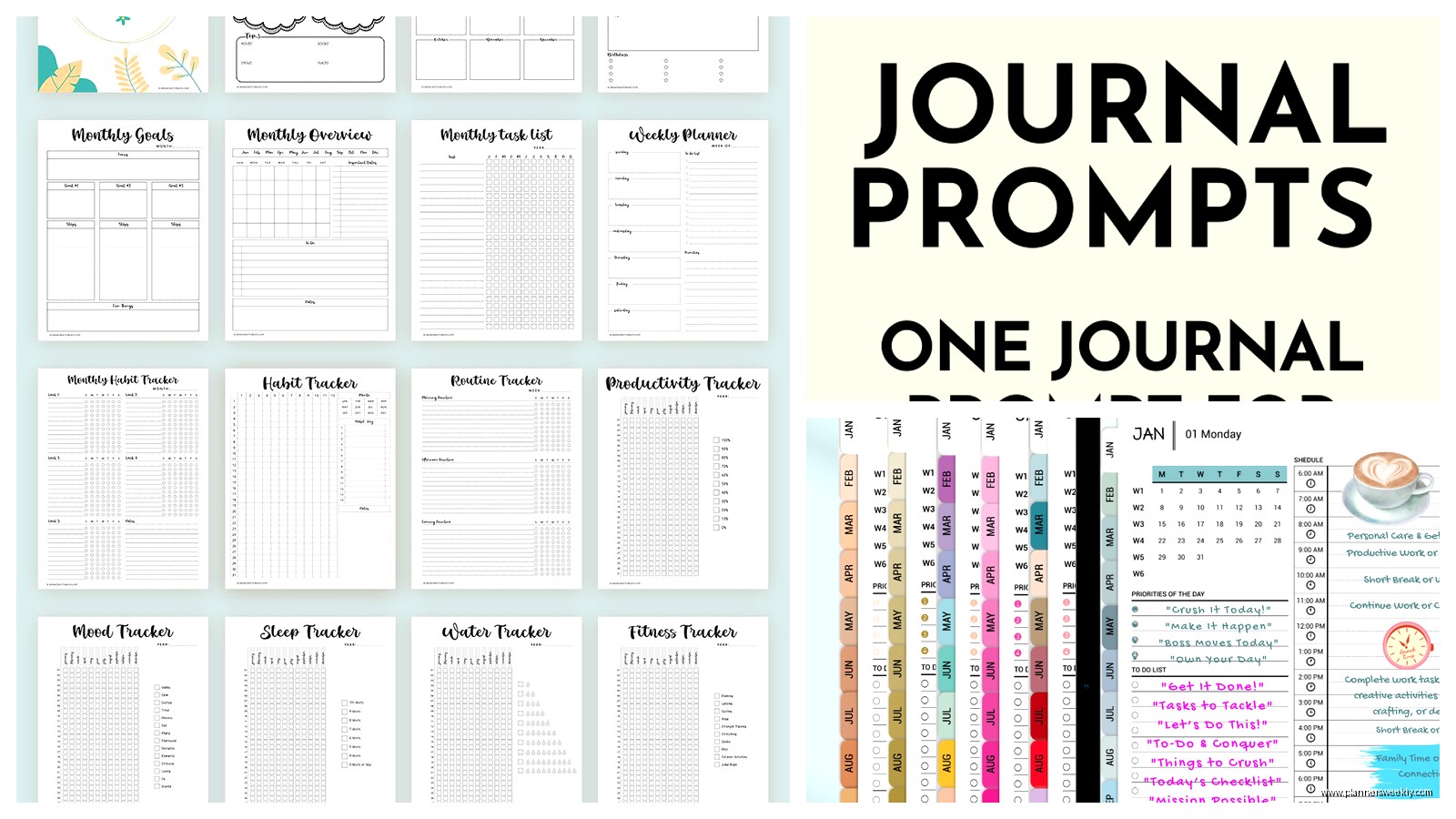
The layout is more appointment-focused with hourly slots from 7am to 7pm, then a notes section. If you need to track actual scheduled things instead of just journaling, this works better than the Moleskine honestly. It’s spiral-bound though which some people hate but I actually like for a desk planner because it folds completely back on itself.
They’ve got tons of designs for 2026, like florals and geometric patterns and some motivational quote ones that I’d personally avoid but maybe that’s your thing, no judgment.
The Paper Quality Thing Everyone Asks About
So I tested all of these with fountain pens, gel pens, highlighters, and those stupid felt tip pens that bleed through everything. Here’s what happened:
- Moleskine handled fountain pens fine, slight ghosting with my wettest writer but no bleedthrough
- Leuchtturm is the winner here, literally zero issues with any pen type
- Blue Sky showed ghosting with everything except ballpoint, actual bleedthrough with Sharpies but like… don’t use Sharpies in planners anyway
- Hobonichi (getting to that next) is designed for fountain pens so obviously it’s perfect
The Hobonichi Situation For 2026
Okay this is gonna sound weird but the Hobonichi Techo 2026 is basically a cult favorite and I get it now. It’s a Japanese planner system and the paper is this Tomoe River stuff that’s thin like 52gsm but somehow doesn’t bleed or ghost. It’s like magic, I don’t understand the physics.
The daily pages are small though, A6 size with Japanese and English text. Each day gets one page which sounds limiting but there’s something about the constraint that makes you actually use it instead of leaving half the page blank. They’ve got little quotes and trivia at the bottom of each page which I thought I’d hate but sometimes they’re actually interesting.
You gotta order it from Japan or through specific retailers, it takes like two weeks to arrive. Cost is around $40-45 with shipping. They have a Cousin version that’s A5 size if you need more space.
Oh and funny story, my productivity coaching client bought one based on my recommendation and now uses it more consistently than any planner system I’ve ever given her in three years of working together.
The Panda Planner Daily Version
This one’s different because it’s structured around productivity and gratitude which sounds very 2018 but actually works if you need that kind of scaffolding. The 2026 daily edition has morning and evening sections with specific prompts.
Morning section asks you to prioritize tasks and set intentions or whatever, evening section has you review the day and list what you’re grateful for. I’m normally cynical about this stuff but on days when I actually fill it out, I do feel more focused. On days when I skip it because I’m running late, it just makes me feel guilty so there’s that.
Paper quality is medium, probably 70gsm, comes in dated and undated versions. The dated 2026 one is around $25. Binding is pretty good, lies flat enough. Comes in a few colors but nothing exciting, mostly neutrals.
The Cheap Options That Don’t Totally Suck
If you’re just testing out daily planning or you know you’re gonna abandon it by February (no judgment, we’ve all been there), there’s some budget options for 2026 worth considering:
- Lemome Daily Planner – around $12, surprisingly thick paper, faux leather cover that looks more expensive than it is
- Paperage Daily Journal – $10-13, minimalist design, paper is thin but if you stick to ballpoint you’re fine
- Amazon Basics Daily Planner – yeah it exists, it’s like $9, it’s exactly what you’d expect but functional
Digital Options Because I Gotta Mention Them
Look I know you asked about physical diaries but if you keep buying planners and not using them, maybe try digital for 2026. Notion has daily templates, GoodNotes if you’ve got an iPad lets you write by hand digitally, Day One app is specifically for daily journaling.
I use a combination honestly – digital for work tasks because they move around constantly, physical diary for personal reflection and planning because there’s something about writing by hand that makes me actually process thoughts instead of just recording them.
What I’m Actually Using For 2026
Right so after testing all these, I personally bought the Leuchtturm1917 for my main daily diary and a cheap Lemome as my desk planner for client appointments. The Leuchtturm lives in my bag, comes everywhere with me, has all my actual thoughts and notes. The Lemome stays open on my desk with my schedule visible.
This is probably more than you need but I also keep a Hobonichi for work-specific daily planning because the size constraint forces me to be concise about tasks instead of writing novels about what I need to do.
The Inserts and Accessories Thing
Oh wait, some of these 2026 planners work with insert systems. The Discbound/Arc system planners let you add and remove pages which is great if you wanna customize. Brands like Staples Arc, TUL, and Levenger Circa all have 2026 daily inserts available.
You can mix weekly and daily pages, add blank pages for notes, rearrange everything. It’s more modular but also more expensive to set up initially. I’ve got a TUL system I use for client notes and it’s held up really well, the discs don’t break like I expected them to.
The Layout Decision
So this actually matters more than brand sometimes. The 2026 planners come in different daily layouts:
- Hourly schedules – good if you need appointments tracked, feels restrictive if you don’t
- Blank or lined pages – maximum flexibility, can be overwhelming if you need structure
- Sectioned pages – usually split into tasks/notes/priorities, works well for most people
- Guided prompts – like the Panda Planner, gives you specific things to fill out
I’ve noticed my coaching clients who say they want “total freedom” usually do better with some structure, and people who think they need heavy structure often feel constrained by it. You probably already know which type you are based on past planner attempts.
Size Actually Matters Here
A5 size (5.8 x 8.3 inches) is the sweet spot for most people – fits in most bags, enough space to write real thoughts, not so big it’s cumbersome. A6 (4.1 x 5.8 inches) is better if you carry a small bag or just want something portable. Bigger than A5 is really only worth it if it’s staying on a desk.
I tested carrying different sizes around for a week each and the A5 won by default. A6 was too small for my handwriting, anything bigger made my bag annoyingly heavy.
The Stuff Nobody Mentions But Should
Okay so elastic closures – they stretch out after about six months of daily use. The ones on Leuchtturm and Moleskine hold up better than cheaper options.
Ribbon bookmarks get gross and frayed. Just accept this now.
Back pockets accumulate receipts and random paper scraps until they’re bulging and then you’ll spend a Sunday afternoon cleaning them out while watching TV.
The first week of January 2026, every planner you buy will feel perfect and full of possibility. By February you’ll have skipped days. This is normal and doesn’t mean you failed, it means you’re human and some days are too chaotic for journaling.
Dated planners for 2026 are cheaper but if you miss a week you’ll have all those blank dated pages staring at you. Undated gives you flexibility but requires more discipline to maintain consistency.
If you’re buying for the full year, get the planner before January starts so you can set it up leisurely instead of frantically filling out info pages on January 1st while hungover.
