Digital Productivity, Online planners, Planners
Electronic Planner Guide: Digital Solutions & Apps 2026
Apr
Okay so I just spent the last three weeks testing like eight different electronic planners because honestly my paper planner addiction was getting out of control and I needed a reality check. Here’s what actually works in 2026.
The iPad Situation With GoodNotes 6
GoodNotes 6 is still the one I keep coming back to even though I’ve tried to break up with it like four times. The handwriting recognition got SO much better this year and you can actually search your messy notes now which is wild. I write like a doctor having a seizure and it still finds stuff.
The planner templates situation is where it gets interesting though. You can import literally any PDF template which means you’re not locked into their designs. I bought this template pack from some Etsy seller for like $12 and it has every layout imaginable. Weekly spreads, daily pages, habit trackers that don’t look like they were designed in 1997.
What I actually use it for: my client meeting notes, project planning, and those brain dump moments when I’m lying in bed thinking about all the things I forgot to do. The lasso tool is ridiculously good for moving stuff around when you realize you wrote something in completely the wrong section.
The annoying part is you need an Apple Pencil and honestly the knockoff ones are trash. I tried three different generic styluses and they all had this weird lag that made me want to throw my iPad across the room. Just get the real one or the Logitech Crayon if you’re on a budget.
File Organization That Won’t Make You Cry
Create separate notebooks for different areas. I have one for work projects, one for personal planning, one for blog content ideas. GoodNotes lets you organize these into folders and the search works across ALL of them which saved my life last Tuesday when I couldn’t remember which notebook had my tax deduction notes.
Notability Is The Other Option Everyone Fights About
People have FEELINGS about the GoodNotes vs Notability debate. I used Notability for like six months last year and here’s the honest truth – the audio recording feature is incredible if you’re in meetings a lot. It syncs your handwriting with the audio so you can tap on your notes and hear what was being said at that exact moment.
But their subscription model pisses people off. They switched to yearly payments and everyone lost their minds. It’s $15/year which like… is the cost of two fancy coffees but I get why people are annoyed when they paid for the app originally.
The writing feel is slightly different from GoodNotes. More… fluid? My hand cramps less with Notability for some reason. Might be the way they handle palm rejection or something technical I don’t understand.
Wait I Forgot To Mention Notion And Why It’s Complicated
Okay so Notion isn’t technically a “planner app” but half the productivity people I know basically live in it. The 2026 update added way better mobile functionality which was honestly the main thing holding it back.
The learning curve is STEEP though. Like I’m not gonna sugarcoat this – you’ll spend your first week being confused and annoyed. But once you get it, you can build literally any planning system you want. I have a content calendar, client tracker, project database, and habit tracker all connected together.
Templates That Don’t Suck
Don’t try to build everything from scratch unless you enjoy suffering. The Notion template gallery has gotten way better and there are creators selling pre-made planner systems that are actually good. I bought one called “Life HQ” or something like that for $30 and it came with video tutorials which saved me probably 10 hours of setup time.
The database feature is where Notion gets powerful. You can have one master task database and then view it different ways – calendar view for deadlines, kanban board for project stages, table view when you need to see everything. It’s the same data just displayed differently which makes my brain happy.
My cat just knocked over my water bottle so that was fun… anyway.
The Microsoft OneNote Comeback Nobody Expected
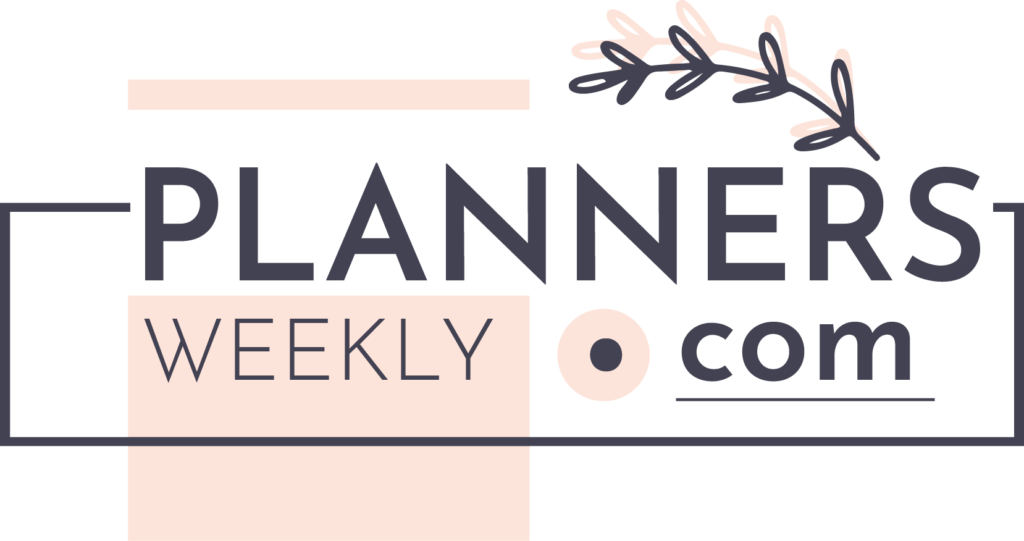
OneNote got a massive update in late 2025 and honestly it’s slept on. Free across all platforms, syncs perfectly with Microsoft 365 if you’re already in that ecosystem, and the ink-to-text conversion is shockingly good now.
What makes it different is the infinite canvas thing. You’re not locked into pages or specific layouts. You just… write wherever. Drop images, links, voice notes, whatever. It feels chaotic at first but then you realize you can organize however your brain actually works instead of forcing yourself into someone else’s system.
The search is powerful too. It indexes everything including text in images and handwritten notes. I found meeting notes from three months ago by searching for a random project name I barely remembered.
For Android People Who Feel Left Out
Samsung Notes got really good if you have a Galaxy device. The S Pen integration is smooth and they added this feature where you can sync to OneNote if you want. Not gonna lie though, the app ecosystem for Android planners is still weaker than iOS. Just is what it is.
Squid (used to be called Papyrus) is solid for Android tablets. Vector-based so everything stays crisp when you zoom. Good for people who like to write small and then zoom in later. The free version is limited but the premium unlock is like $10 one-time which is reasonable.
The Stylus Problem On Android
Unless you have a Samsung device with an S Pen, you’re kinda gambling with third-party styluses. I tested the Staedtler Noris Digital on a Lenovo tablet and it was… fine? Not great, not terrible. Some palm rejection issues but workable if you’re on a budget.
Structured App For The ADHD Brain
This is gonna sound weird but Structured changed how I manage my actual day-to-day schedule. It’s a visual timeline app that shows your entire day as a vertical timeline with time blocking. You can add tasks and events and it shows exactly when you’ll do what.
The thing that makes it work for my scattered brain is the visual nature. I can SEE that I have 45 minutes between this meeting and that deadline. Color coding helps too – work stuff is blue, personal is purple, creative time is orange.
It integrates with your calendar but adds tasks on top which is the key thing. Your calendar has the unmovable stuff, Structured helps you figure out what to do in the gaps. The 2026 update added better recurring task handling and Siri shortcuts which is chef’s kiss.
Sunsama For People Who Overthink Everything
Okay so Sunsama is expensive at $16/month but hear me out. If you’re someone who has tasks scattered across Notion, Asana, Todoist, email, and random sticky notes, this might save your sanity.
It pulls everything into one daily planning view. You drag tasks from all your different systems into today’s plan and time block them. End of day you review what got done and move the rest to tomorrow or whenever.
The guided planning sessions are either gonna feel helpful or annoying depending on your personality. It literally walks you through planning your day with prompts. I found it useful for like two weeks then turned it off because I got the hang of the system.
They have a 14-day trial and honestly you’ll know within three days if it clicks for you or feels like overkill.
The Apple Reminders Glow-Up
I cannot believe I’m recommending Apple Reminders in 2026 but they actually made it good? The tags system, smart lists, and templates turned it from a basic to-do app into something legitimately useful.
It’s free, already on your device if you’re in the Apple ecosystem, and syncs instantly. I use it for quick capture stuff – tasks that pop into my head while I’m doing something else. Then I process them into my main planning system later.
The location-based reminders are clutch. “Remind me to grab the dry cleaning when I leave work” actually works now and the geofencing is accurate.
Todoist Still Doing Its Thing
Todoist is the reliable Honda Civic of task management. Not flashy but it works and it’ll probably outlive us all. The natural language input is still the fastest way to add tasks – just type “meeting with Sarah next Tuesday at 2pm” and it figures it out.
The karma system is gamification done right if that motivates you. I don’t care about it personally but some of my clients are OBSESSED with hitting their productivity streaks.
Premium is $4/month and gets you reminders, labels, filters, and comments. The free version is solid though if you just need basic task management.
Craft For Beautiful Documents That Also Plan
Craft is hard to explain but it’s like if Notion and Apple Notes had a baby that went to design school. Gorgeous typography, smooth as butter on Apple devices, and you can build planning systems in it even though that’s not technically its main purpose.
I use it for monthly reviews and project planning because everything looks so clean I actually want to open it. Sounds shallow but aesthetics matter when you’re trying to build habits.
The daily notes feature with backlinks is great for bullet journal style planning. Each day gets a note and you can link between them to track recurring themes or projects.
What I Actually Use Day-To-Day
Real talk – I use a combination because no single app does everything perfectly. GoodNotes for handwritten planning and meeting notes, Notion for project management and content planning, Structured for daily time blocking, Apple Reminders for quick capture.
Is it overkill? Maybe. Does it work? Yeah. The key is knowing what each tool is good at and not trying to force everything into one system just because some productivity guru says you should.
My client canceled yesterday so I spent an hour comparing the handwriting feel between GoodNotes and Notability again and honestly I still can’t decide which one I like better. They’re both good. Just pick one and stop overthinking it like I do.
The Subscription Cost Reality Check
Let’s add up what this costs if you went all-in on premium versions: GoodNotes is $10 one-time, Notion is free for personal use, Structured is $10/year, Sunsama is $192/year. That’s… actually not that bad compared to what I used to spend on paper planners and stationery. One year of my planner addiction was easily $300+ in notebooks, pens, stickers, washi tape I never used.
The free options are honestly solid too. OneNote, Apple Reminders, Notion free tier, GoodNotes alternatives like Noteshelf. You don’t need to spend money to get started with digital planning.
The Stuff That Doesn’t Work For Me
Evernote still exists apparently but I don’t know anyone who uses it anymore. ClickUp tries to do too much and the interface makes my eyes hurt. Trello is fine but boards don’t match how my brain organizes things. Obsidian has a cult following but the learning curve is even steeper than Notion and I couldn’t justify the time investment.
Monday.com and Asana are great for team project management but overkill for personal planning unless you’re managing like five businesses at once.
Just because something is popular doesn’t mean it’ll work for you. I tested all this stuff so you don’t have to.