
Digital Productivity, Online planners, Planners
Weekly Planner Notebook: Best Journal Options
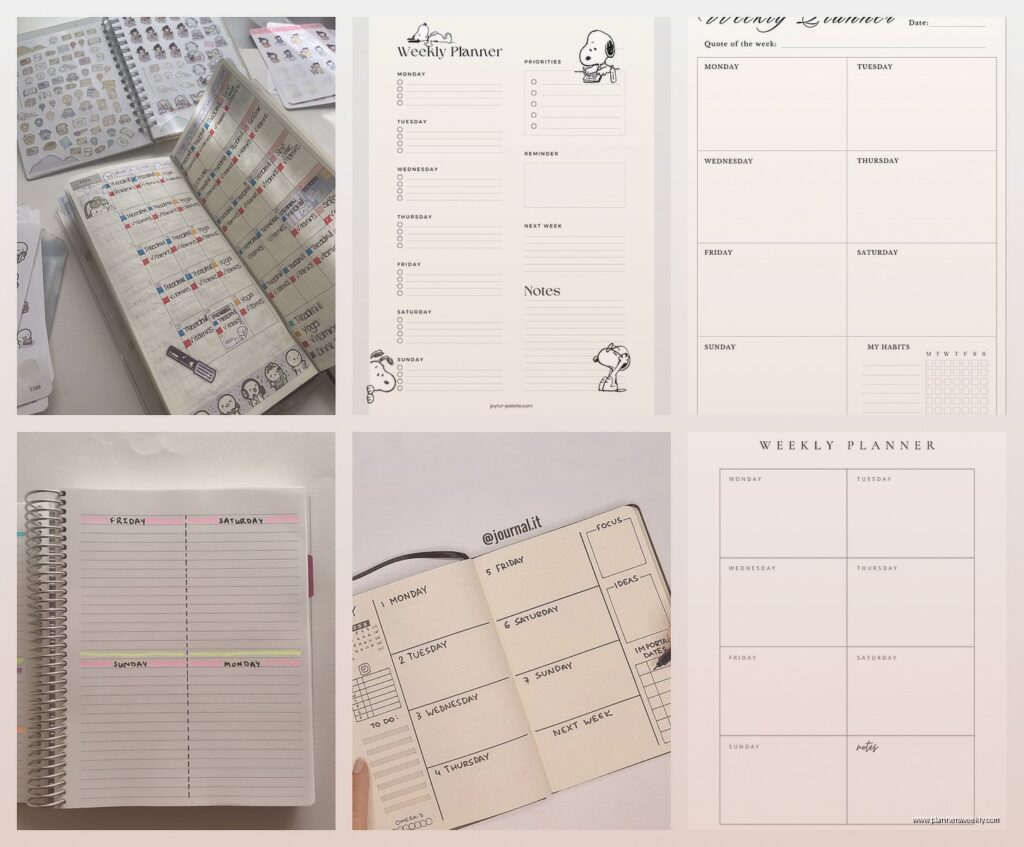
Apr
Okay so I’ve been testing weekly planners for like three months now because honestly my old system was falling apart and I needed something that actually worked, not just looked pretty on Instagram.
The Bullet Journal Method Weekly (But Simplified)
First thing you gotta know is that the classic Bullet Journal is great but their weekly setup is kinda… not actually weekly? Like Ryder Carroll wants you to do rapid logging which is more daily-focused. But Leuchtturm1917 makes a specific weekly planner now and I tested it last month when my dog ate my regular notebook (long story, involved peanut butter). The pages are dotted which means you can customize but they also have these pre-printed weekly spreads that are honestly perfect if you don’t wanna spend Sunday night drawing boxes.
The paper is 80gsm which sounds technical but basically means you can use most pens without bleeding. I tried it with my Pilot G2s, Muji gel pens, even those Tombow brush pens and only the Tombows bled through a tiny bit. Each week gets two pages which feels like enough space without being overwhelming. There’s a notes section on the right side that I use for random thoughts or things I need to remember for next week.
Passion Planner Weekly Layout
Wait I forgot to mention Passion Planner because this one is like… it tries really hard to be motivational which can be annoying but the layout is actually solid. Each week has hourly time slots from 7am to 9pm which is either perfect or totally unnecessary depending on how you work. I’m a productivity coach so I need time blocking, but my friend who’s a writer said it felt too restrictive.
The thing about Passion Planner is they have this “Passion Roadmap” section at the beginning where you’re supposed to plan your life goals and honestly I skip that part. But the weekly pages? Really functional. They put a small monthly calendar on each weekly spread which seems redundant until you’re trying to remember if the 23rd is a Tuesday or Wednesday and you don’t wanna flip back.
Paper quality is good, not amazing. Maybe 70gsm? I had some ghosting with darker inks but nothing that made it unusable. They come in like five different sizes and I got the medium (8.5 x 11) which fits in my bag but just barely.
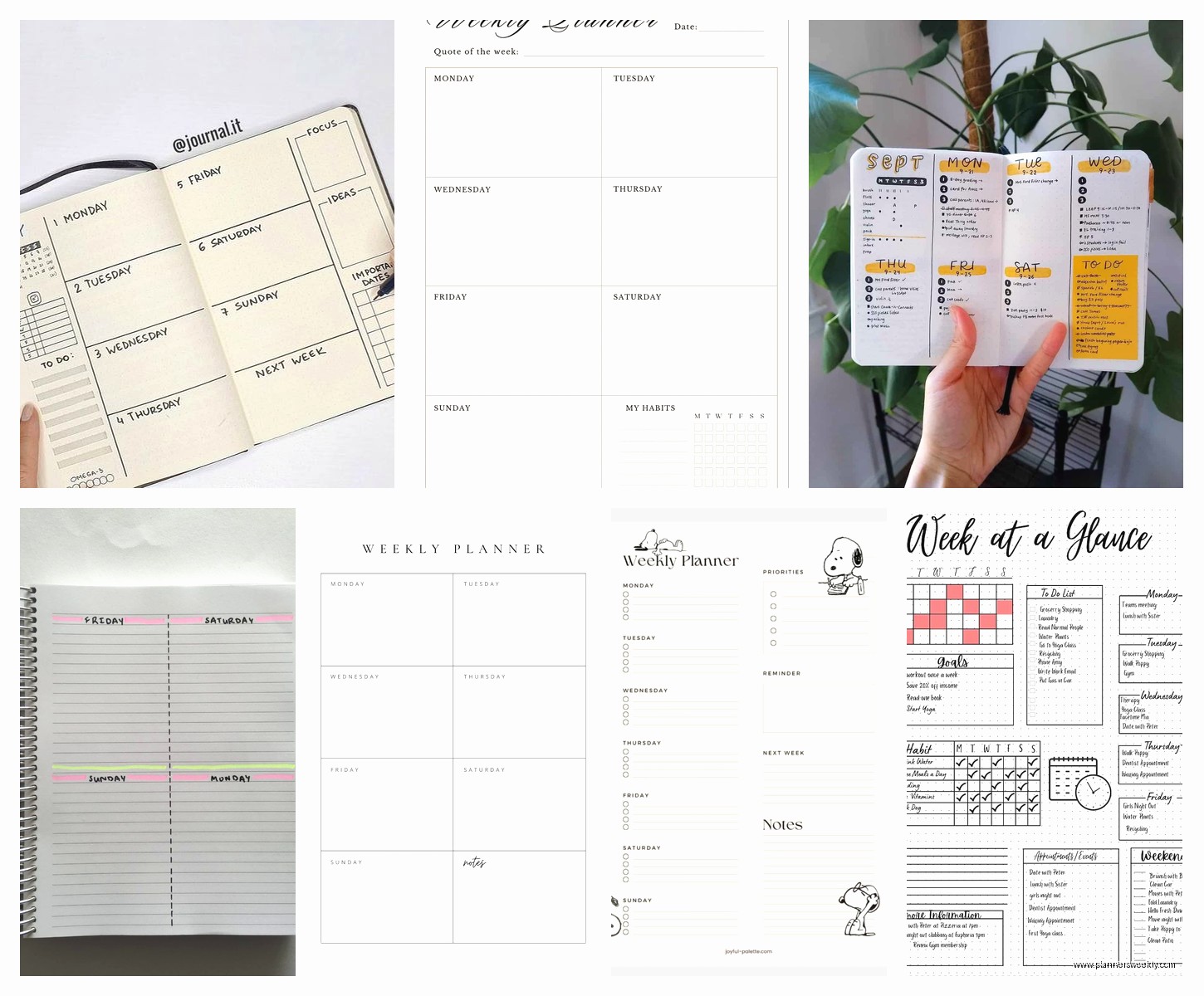
The Undated Question
Oh and another thing – decide right now if you want dated or undated. I used to think dated was better because it kept me accountable but then I took two weeks off in July and had all these blank pages staring at me. Now I only buy undated.
Passion Planner comes in both. Leuchtturm1917 is usually dated but you can find undated versions on Amazon if you search specifically for it.
Hobonichi Weeks (The Skinny One)
This is gonna sound weird but the Hobonichi Weeks changed how I think about weekly planning. It’s tiny – like fits in your back pocket tiny – and the pages are this super thin Tomoe River paper that feels like fancy tissue paper but somehow doesn’t bleed through with anything.
The weekly layout is vertical which took me a minute to get used to. Each day gets a column instead of a row, and there’s a notes page on the left side. The columns are narrow so if you write big this might not work. I write pretty small and I still sometimes run out of space on busy days.
But here’s why I keep coming back to it – the size means I actually carry it everywhere. My bigger planners stay on my desk and then I forget to check them. The Hobonichi Weeks lives in my purse and I pull it out at coffee shops, during meetings, whenever. They have a million cover options too which is dangerous for your wallet, trust me.
The only weird thing is it’s Japanese so the weeks start on Monday which… I actually prefer now? But it threw me off initially. Also there are Japanese holidays marked which don’t apply to me but I just ignore those.
Moleskine Weekly Planner (The Classic)
Can’t talk about planners without mentioning Moleskine even though they’re kinda overpriced for what you get. I tested their weekly notebook last fall and it’s fine. Just fine. The layout is basic – week on the left page, lined notes on the right page. The paper is okay, probably 70gsm, definitely ghosting with wet pens.
What Moleskine has going for it is you can find it literally anywhere. Target, Barnes & Noble, airport bookstores. So if you’re the kind of person who might forget to order online or wait for shipping, this is your backup option. They also have the elastic band closure and the bookmark ribbon which sounds fancy but I actually use both constantly.
The size options are good – pocket, large, extra large. I got the large (5 x 8.25) and it’s a nice middle ground. Fits in most bags, enough writing space, not so big it’s awkward to use on a plane or small desk.
Horizontal vs Vertical Layouts
Okay so funny story, I spent like three weeks using a vertical layout (Hobonichi style) and then switched to horizontal (most other planners) and my brain was so confused. The way you scan the page is totally different. Horizontal feels more natural to me because reading left to right, but vertical gives you more space per day usually.
Try to figure out which one matches how you think before buying. Like do you think of your week as days flowing across the page or days stacked on top of each other? Sounds philosophical but it actually matters.
Blue Sky Weekly/Monthly Planner
This one is super affordable which I appreciate because not everyone wants to drop $30 on a planner. Blue Sky weekly planners are like $12-15 and they’re decent quality for the price. The paper is thinner, maybe 60gsm, so definitely some bleed-through with gel pens but fine with ballpoint.
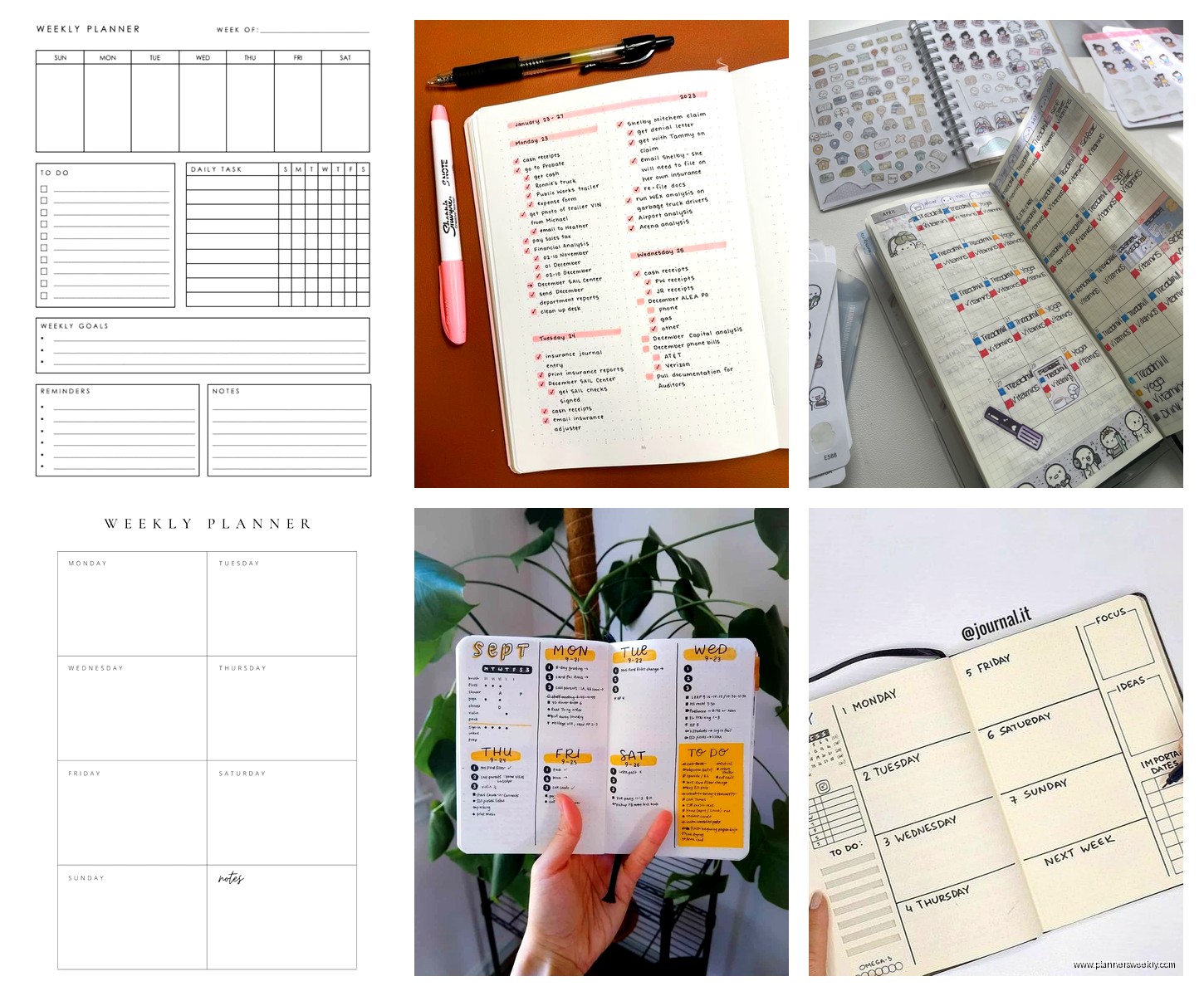
They have weekly and monthly sections combined which is helpful if you need both views. The weekly pages are horizontal layout, pretty standard time slots, nothing fancy. What I like is they have lots of designs – floral, geometric, solid colors – so if aesthetics matter to you there’s options.
The binding is twin-wire which lays flat nicely but also means it can get caught on stuff in your bag. I had one where the wire got bent and then pages wouldn’t turn smoothly. But again, at this price point you’re not expecting premium construction.
Erin Condren LifePlanner Weekly
Okay so Erin Condren is like the influencer of planners and I was skeptical but my client canceled last Tuesday so I spent an hour comparing the LifePlanner to my other options and… it’s actually really well designed? The weekly layout comes in three versions – horizontal, vertical, or hourly – which is smart because people plan differently.
I tested the vertical version and each day has three sections: schedule, to-do, and notes. This is perfect if you like separating tasks from appointments. The paper is coated so it’s super smooth, around 80gsm, minimal bleeding even with markers. They’re expensive though, like $50-70 depending on size and customization.
The customization is where they get you. You can pick covers, add your name, choose your layout, add extra pages. It’s like building a burrito at Chipotle except it’s a planner and more expensive. I kept mine simple but I can see the appeal if you want something that feels really personal.
One thing – they’re dated and only run 12 months, so you gotta buy a new one each year. Some people like the fresh start, I find it annoying to transfer information every January.
Stalogy 365 Days Notebook
Wait I should mention Stalogy because it’s one of those under-the-radar Japanese options that’s really good. The 365 Days notebook is technically a daily planner but each page has a weekly overview section at the top that I actually use as my main planning space, then the daily grid below for notes or detailed schedules.
The paper is Tomoe River like Hobonichi, super thin but handles ink beautifully. The pages are numbered and there’s an index which is useful if you’re the type to flip back and reference old weeks. It’s undated so you fill in dates yourself, and it has 368 pages (one for each day plus a few extra) which makes it thick but not huge because the paper is so thin.
The cover is just gray fabric, very minimal, which I like because it doesn’t draw attention. Good if you use your planner in professional settings and don’t want something with flowers or motivational quotes on the front.
Size Actually Matters Here
Something I learned the hard way – bigger isn’t always better. I bought an A4 sized planner thinking more space meant better planning but it was so big I never wanted to carry it anywhere. Now I stick to A5 (basically 5.8 x 8.3 inches) or smaller.
If you work from home mostly, bigger might be fine. But if you’re mobile, commuting, working from coffee shops, you want something that fits in a normal bag without being awkward.
Simplified Weekly Planner
Emily Ley’s Simplified Planner is another influencer-style option but less customizable than Erin Condren. The weekly layout is horizontal with a “focus” section at the top for your three main priorities. I like this in theory but in practice I never use it because my priorities are always “everything is urgent.”
The design is very clean, minimal, lots of white space. Good if visual clutter stresses you out. Each week also has a meal planning section and a notes section. The meal planning thing is actually useful if you’re trying to get organized about cooking – I used it for like three weeks before getting takeout became my meal plan.
Paper quality is solid, probably 80gsm, and it comes with stickers which I thought was gimmicky but then I used them way more than expected. Little dots to mark important dates, flags for priorities, that kind of thing.
The DIY Route With Dot Grid Notebooks
Oh and another thing – you can just get a good dot grid notebook and make your own weekly spreads. This is what I did for a while with a Rhodia Webnotebook. The dots give you structure without being restrictive, and you design exactly what you need.
Rhodia paper is excellent, 90gsm, handles everything. The orange cover is distinctive which helps it stand out on a messy desk. I used a ruler and drew weekly boxes every Sunday which sounds tedious but was kinda meditative? Plus then I could adjust the layout based on what was happening that week.
The downside is time. Drawing layouts takes maybe 10-15 minutes per week, and some weeks I just didn’t feel like it and then I had no planner setup. So this only works if you’re actually gonna commit to the setup time or you’re okay with inconsistency.
What Actually Works For Different People
If you’re still deciding, think about your actual life not your ideal life. Like I wanted to be someone who does elaborate planning spreads with washi tape and multiple colors, but I’m actually someone who scribbles notes in blue pen while drinking coffee and half-watching Netflix. The Hobonichi Weeks fits my actual behavior better than a huge elaborate planner.
For people who need time blocking – Passion Planner or Erin Condren hourly layout. For people who want simple and portable – Hobonichi Weeks. For people on a budget – Blue Sky. For people who like customization – Erin Condren or DIY with a dot grid notebook. For people who want something reliable and available everywhere – Moleskine.
The paper quality thing is real too. If you use fountain pens or wet gel pens, stick to 80gsm or higher, or specifically Japanese paper like Tomoe River. If you only use ballpoint or pencil, pretty much anything works and you can save money on cheaper options.
I keep coming back to undated planners because life is unpredictable and I hate wasted pages. But dated planners do have that built-in accountability – empty pages feel like failure which can be motivating or demotivating depending on your personality.
Test before committing if you can. Some stores let you see planners in person, or order one and actually use it for a month before buying backups. I have like six partially used planners because I kept switching systems and honestly that’s fine, you’re figuring out what works, not failing at planning.
