
Digital Productivity, Online planners, Planners
Best Weekly Planners 2026: Expert Reviews & Rankings
Feb
Okay so I just tested like eight different weekly planners over the past month and honestly my desk looks like a stationery store exploded but here’s what you actually need to know before dropping money on a 2026 planner.
The Passion Planner is still holding up as one of my top picks and I know everyone talks about it but there’s a reason. The weekly spreads give you that hourly breakdown from 7am to 9pm which sounds rigid but it’s actually perfect if you’re someone who needs to see where your time is physically going. I’ve been using it with three different clients who swore they were bad at planning and two of them are still using it consistently which is like… unheard of in my world. The paper is thick enough that my Mildliners don’t bleed through and yes I tested this extensively because I got really into color coding during that weird cold snap we had in January.
Oh and another thing about Passion Planner, the reflection sections at the start of each month actually get used. Most planners have those inspirational quote pages that everyone skips but these have specific prompts like what went well and what needs improvement. My dog chewed the corner of mine which was annoying but also proved the binding stays intact even with damage.
The Minimalist Options That Don’t Suck
So if you’re not into all the sections and goals pages, the Leuchtturm1917 Weekly Planner is gonna be your thing. I tested the 2026 version and they finally fixed that issue where the elastic got loose after like two months. The layout is super clean, just the week on two pages with a notes section, and the paper quality is chef’s kiss. I actually prefer this over the Moleskine weekly now which feels weird to say because I was a Moleskine person forever.
The numbered pages and index might seem extra but wait I forgot to mention, if you’re someone who journals or takes notes in your planner, being able to reference back to “that thing I wrote in week 12” is actually super handy. Found this out when I was trying to track a client’s progress patterns and could just flip to the index instead of sticky tabs everywhere.
Budget Picks That Surprised Me
Blue Sky planners are like fifteen bucks and honestly they’re holding their own against the thirty dollar options. I spilled coffee on one which actually tested the paper quality accidentally and while it did wrinkle, the ink didn’t run and it was still usable. The 2026 designs are actually cute, not in that trying-too-hard way but legitimately nice patterns.
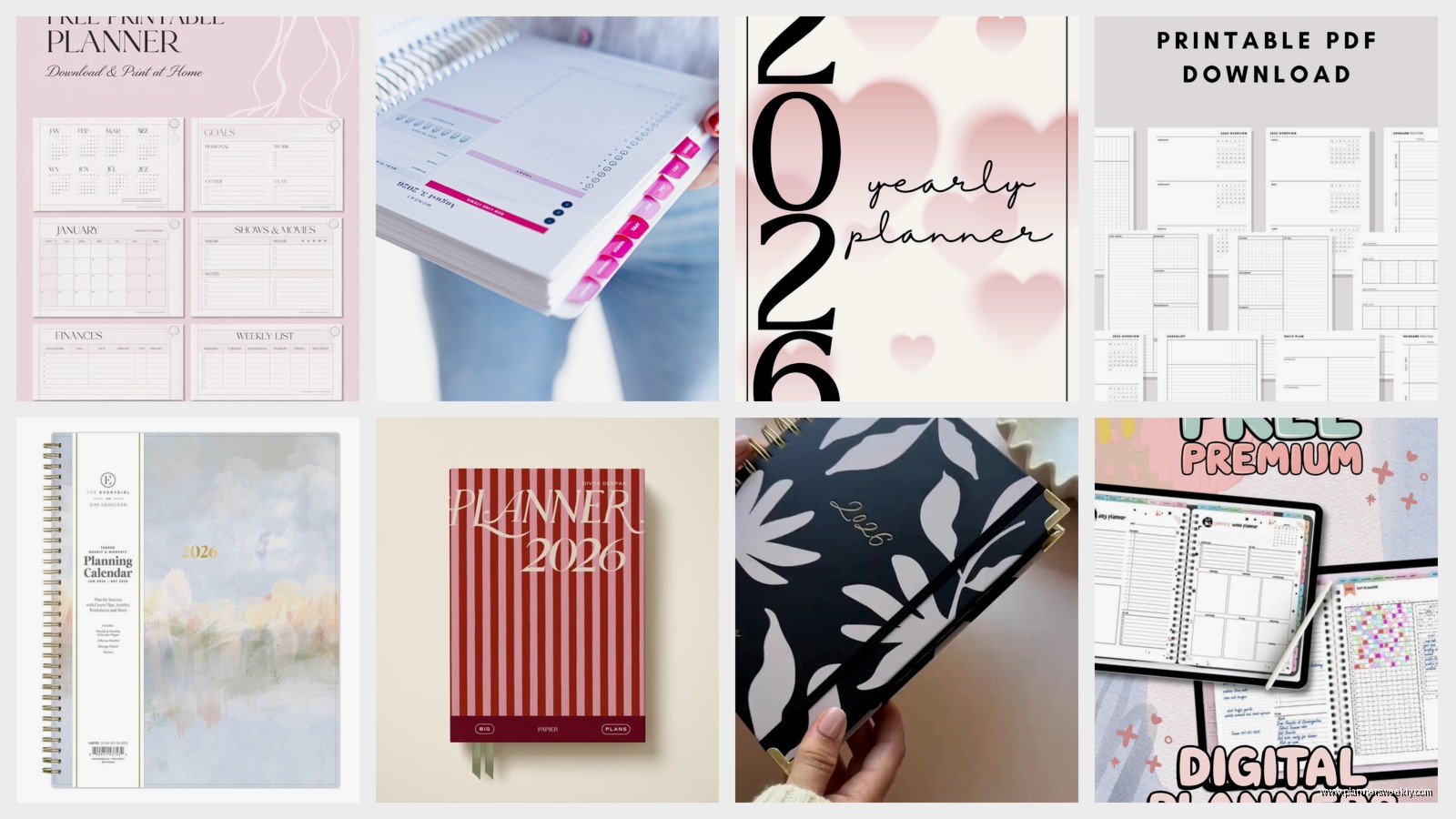
The weekly layout gives you lined sections for each day plus a notes column which I thought would be cramped but works fine for normal human handwriting. If you write really large then maybe skip this one but for most people it’s plenty of space. The binding isn’t as robust as the premium options though, like I can see this maybe not lasting a full year if you’re really rough with your planner.
What About Digital People Who Want Paper Backup
The Clever Fox Weekly is designed for people who use digital calendars but want something physical for the big picture stuff. Each week has a priorities section at the top, then the daily breakdown, then a wins section at the bottom. This is gonna sound weird but the wins section actually changed how one of my clients approached her week because she could see progress even when stuff felt chaotic.
It’s undated which means you can start whenever in 2026 and not waste pages, but also means you gotta write dates yourself which some people find annoying. I personally don’t mind because sometimes I skip weeks when life gets nuts and don’t wanna see blank accusatory pages staring at me.
The Fancy One That Might Be Worth It
Hobonichi Weeks is expensive and I debated including it because not everyone wants to drop fifty bucks on a planner but okay so hear me out. The Tomoe River paper is so thin you think it’s gonna be terrible but then you write on it with literally any pen and it’s smooth and nothing bleeds through. It’s almost creepy how good the paper is.
The format is vertical which takes like a week to get used to but then it becomes really efficient for seeing your whole week at a glance. The left page is your weekly spread, the right page is graph paper for notes or doodling or whatever. My client who’s an illustrator uses it for quick sketches and planning and the paper even handles light watercolor which is insane for a planner.
Oh and there’s like a hundred covers to choose from for 2026, from basic colors to collaborations with artists. I got the navy blue one because I’m boring but they have some really cool designs if that’s your thing.
Specific Use Cases Because Context Matters
If you’re a student the Panda Planner Academic Weekly actually has the school year format for 2025-2026 which most planners don’t consider. It’s got weekly spreads plus sections for tracking habits and gratitude which sounds cheesy but the tracking part is useful for keeping up with assignment patterns and exam prep.
For business owners the Full Focus Planner weekly edition breaks down your goals into quarterly, monthly, then weekly which helps connect the daily grind to actual business objectives. I use this one for my own coaching business and it’s helped me stop doing busy work that doesn’t connect to revenue goals. The price is steep at around sixty dollars but it includes access to their online training which I actually watched while folding laundry and picked up some useful frameworks.
The Paper Quality Thing Nobody Talks About Enough
This is important so listen, if you use fountain pens or any wet ink pens you gotta pay attention to GSM weight. Anything under 80 GSM is gonna ghost or bleed. I tested all of these with my Pilot G2s, Sharpie pens, and a few fountain pens because my friend got me into them during that TV show binge of The Crown and now I’m one of those people.
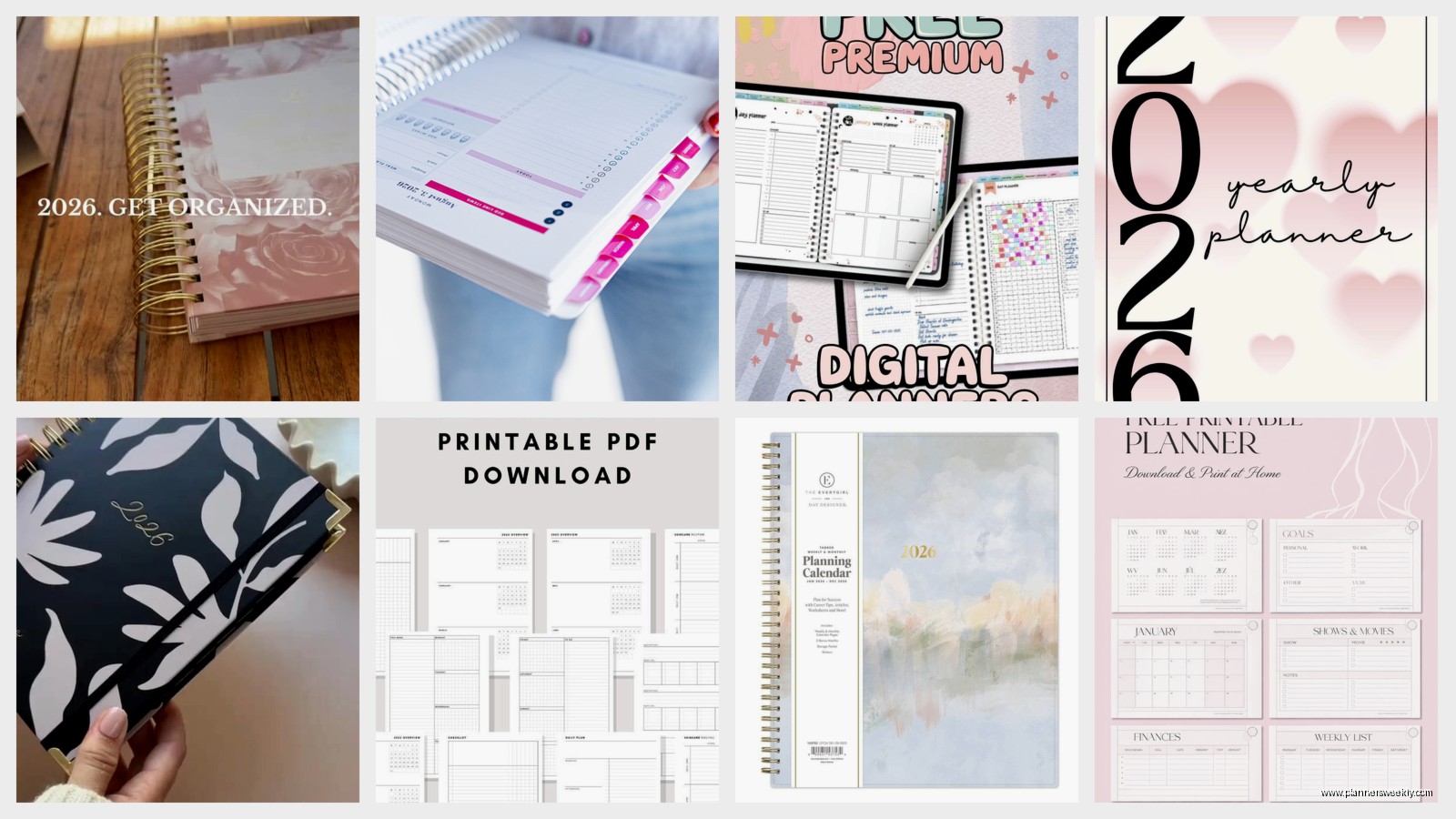
Best paper quality ranking: Hobonichi, then Leuchtturm1917, then Passion Planner, then everything else is kinda similar. Blue Sky is fine for ballpoint and gel pens but don’t push it with markers.
The Binding Situation
Spiral binding is practical because it lays flat but looks kinda cheap and can get caught on stuff in your bag. I had a spiral planner destroy the lining of my work bag last year which was a whole thing. Sewn binding is more durable and prettier but doesn’t always lay completely flat.
Passion Planner and Clever Fox use sewn binding that actually does lay flat after you break it in. Leuchtturm1917 needs more breaking in but gets there. Blue Sky is spiral which is fine if you’re not precious about aesthetics.
Size Matters More Than You Think
A5 is the sweet spot for most people, big enough to write comfortably but small enough to throw in a normal bag. I tested the Passion Planner in both A4 and A5 and the A4 lived on my desk permanently because it was too big to carry around, which defeated the purpose of having a planner.
Personal size is too cramped unless you have tiny handwriting or just do like basic time blocking. I gave my personal-sized Hobonichi to my friend who has neat small handwriting and she loves it but I need more space to scribble and cross stuff out.
Features You Might Actually Use
Okay so most planners have a million extra pages and sections that seem useful when you’re buying it but then never get touched. After working with clients for years here’s what actually gets used: monthly overview pages before each month, a year-at-a-glance page, and contact pages for important numbers.
What doesn’t get used: random note pages in the back, meal planning sections unless you’re really into meal prep, budget trackers that aren’t integrated into the weekly pages, and inspirational quotes scattered throughout.
Wait I forgot to mention the Banned Weekly Planner has this thing where each weekly spread includes a budget snapshot which my clients who are working on financial goals actually use consistently. It’s integrated right there so you see your spending alongside your schedule which creates useful connections between time and money.
The Customization Factor
Some people are really into decorating their planners with stickers and washi tape and that’s cool but make sure your planner has space for it. The Erin Condren weekly planners have wider margins specifically for decoration if that’s your jam. I’m more of a functional person so I just need room to write clearly and maybe highlight important stuff.
Passion Planner and Full Focus have enough white space that you can add stickers or color coding without it looking cluttered. Leuchtturm1917 is more minimalist so decorating it feels weird, at least to me.
What I’m Actually Using in 2026
I’m splitting between Passion Planner for client work and detailed planning, and Hobonichi Weeks for personal stuff because it fits in my small purse and I like having them separated. This is gonna sound extra but having two planners means work stays at work mentally and I can actually disconnect on weekends.
If I had to pick just one it would be Passion Planner because it’s the most versatile and the price point is reasonable at around thirty dollars. The goal setting sections actually help and the weekly layout gives enough structure without being suffocating.
For someone just starting with paper planning I’d recommend Blue Sky to test if you’ll actually use it before investing in something expensive. Then upgrade to Passion Planner or Leuchtturm1917 once you know your habits and preferences.
The biggest thing is getting something you’ll actually open every day which sounds obvious but so many people buy beautiful planners that sit on a shelf because they’re too pretty to mess up or too complicated to maintain. Start simple, add complexity later if you need it.
