
Digital Productivity, Online planners, Planners
Best Weekly Planners: Expert Reviews & Top Recommendations
May
Okay so I just spent the last three weeks testing literally every weekly planner I could get my hands on and here’s what actually matters because most reviews don’t tell you the real stuff.
The Paper Quality Thing Nobody Talks About Enough
First thing – and I cannot stress this enough – is the paper. I grabbed the Passion Planner last Monday and was so excited because everyone raves about it, but then I used my favorite Pilot G2 pen and it bled through immediately. Like, I’m talking you could see it on the next page which completely defeats the purpose if you’re someone who writes on both sides. The paper is 80gsm which sounds fine but it’s just not thick enough for gel pens or any kind of marker.
The Leuchtturm1917 Weekly Planner though? That’s 80gsm too but the paper quality is just different somehow. I think it’s the coating or something. Been using it for two weeks with fountain pens, gel pens, even did some light highlighting and zero bleed through. It’s gonna cost you more – around $30 versus the Passion Planner’s $25 – but if you actually use pens that aren’t basic ballpoint, it matters.
Layout Styles That Actually Work
So there’s basically three camps here and you gotta figure out which one you are.
Vertical Layouts
The Erin Condren LifePlanner is the queen of vertical layouts. Each day gets a column and honestly? I thought I’d hate it because I’m used to horizontal but it’s weirdly intuitive. You can see your whole week at a glance without turning pages. My problem with it is that it’s SO colorful and decorated that if you’re not into that aesthetic it feels overwhelming. Like I was watching The Bear the other night and using this planner and the contrast was just… anyway.
The columns are divided into morning, afternoon, evening which sounds restrictive but actually helped me realize I was scheduling everything in the afternoon and wondering why I felt rushed. Sometimes structure you don’t think you need is the structure that helps most.
Horizontal Layouts
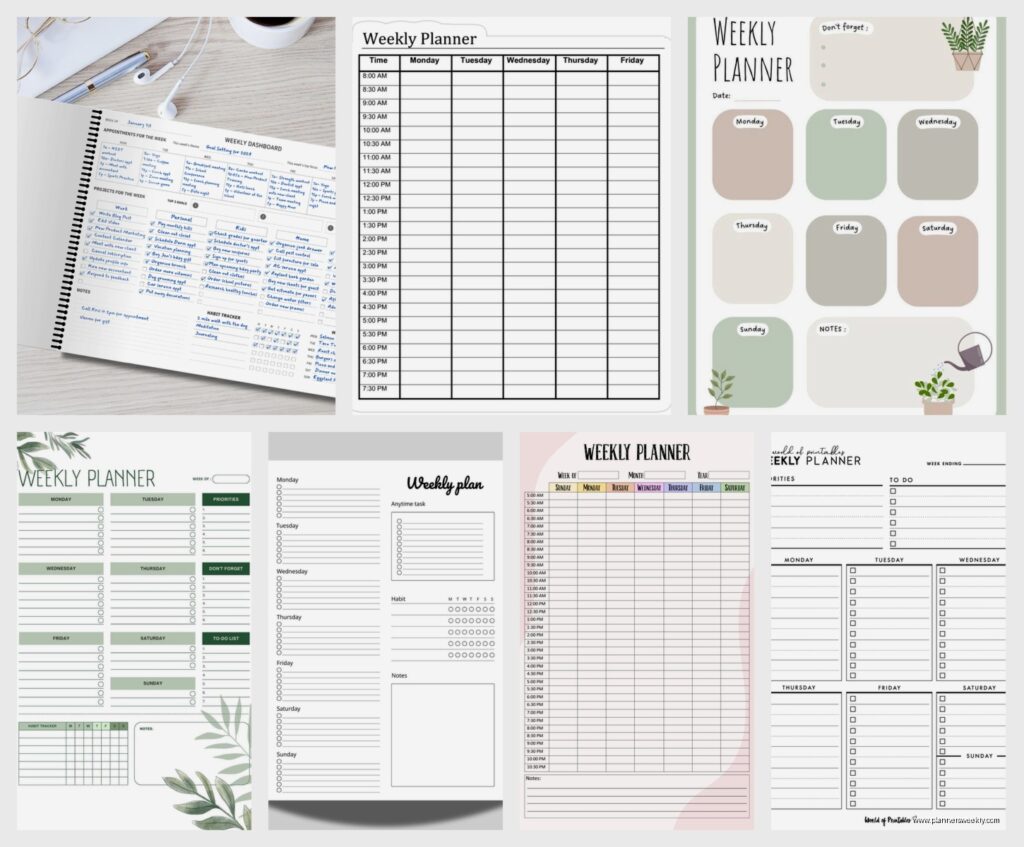
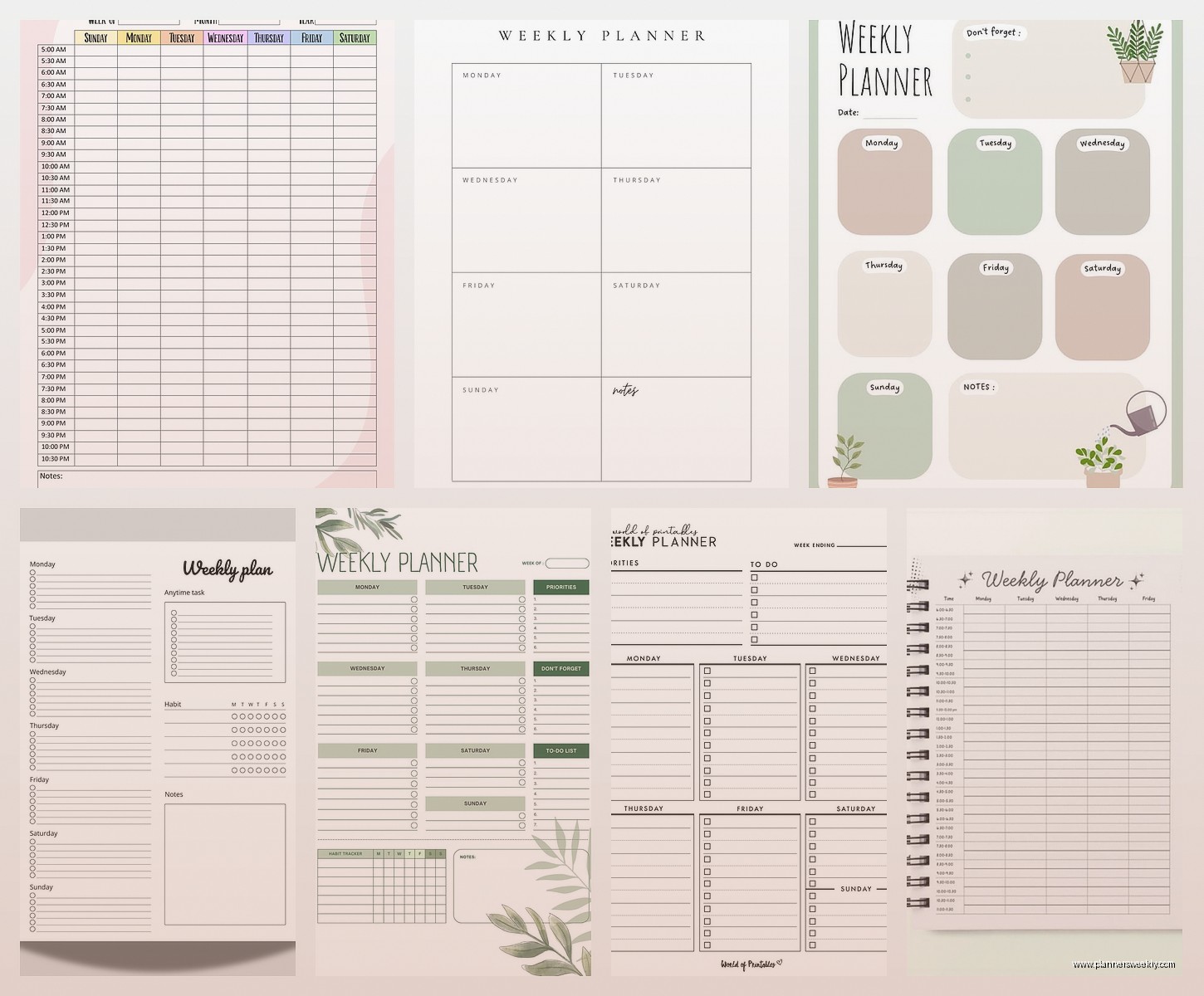
This is your traditional setup. Monday through Sunday stacked on top of each other. The Moleskine Weekly Planner does this and it’s clean, minimal, no frills. Each day gets maybe 1.5 inches of space. If you don’t write a ton this works perfectly. I use it for my personal life stuff – appointments, when to call my mom, remembering to pick up dog food – that kind of thing.
But here’s where it falls short: if you’re planning actual work tasks with any detail, you’re gonna run out of space by Tuesday. I tried using it for client sessions and project deadlines and ended up writing in the margins which looked messy and defeated the whole point of having a planner.
Time-Blocked Layouts
Oh and another thing – the Full Focus Planner has hourly time blocking and I was skeptical because it seemed excessive but it’s actually been the most useful for my ADHD brain. Having 6am through 9pm marked out in hour increments means I can’t just vaguely say “I’ll do that tomorrow.” I gotta pick a time.
The downside is it’s THICK. Like 2 inches thick because it’s only for one quarter at a time. You’re not getting a full year here. And it’s $40 per quarter so you’re looking at $160 annually which is… a lot. But my productivity has genuinely increased so I’m conflicted about whether to recommend it or not.
Size Matters More Than You Think
I learned this the hard way when I bought the A5 Hobonist Weeks planner because it was so pretty and compact. Fits in my purse perfectly! Super portable! Except the weekly pages are literally 3 inches wide total, divided among 7 days, so you get like… half an inch per day? I can barely fit three items per day before I’m writing microscopically.
It works great if you’re using it as a high-level overview and keeping detailed tasks elsewhere, but as a standalone planner it’s frustrating. I actually use it now for tracking habits and appointments only – did I exercise, did I drink enough water, what time is my dentist appointment. For that purpose it’s perfect.
The sweet spot size-wise is the standard 8.5 x 11 inch planners. The Blue Sky Weekly/Monthly Planner is this size and costs like $15 which is absurdly cheap compared to everything else. The quality is… fine. The paper is thin, the binding isn’t gonna last years, but if you’re someone who likes switching planner styles frequently or you’re not sure what you want yet, this is the one to start with.
Wait I Forgot to Mention the Binding Situation
This is gonna sound weird but the binding type has completely changed how I use planners. Spiral bound planners – like the At-A-Glance Weekly – lay completely flat which is amazing for writing. You’re not fighting with pages trying to close on you. BUT the spiral catches on everything in your bag, papers get stuck in it, and it looks less professional if you’re pulling it out in meetings.
Hardbound planners look sleeker but unless they have a good binding they don’t stay open. The Moleskine one I mentioned earlier? You gotta hold it open with one hand while writing with the other and it’s annoying. My cat knocked it off my desk yesterday and it slammed shut and I lost my place and… yeah.
The compromise is sewn binding like the Leuchtturm. It opens flat-ish, stays where you put it, looks professional, doesn’t catch on stuff. It’s just better engineering honestly.
Monthly Overview Pages
Some planners have a monthly calendar view before each month’s weekly pages and some don’t. The Panda Planner has both and I didn’t think I’d use the monthly view but it turns out seeing the big picture helps me not overbook myself weekly.
Like I’ll look at the month and realize I have three deadlines in one week and maybe I should move that coffee meeting to the following week instead. You don’t get that perspective from weekly pages alone.
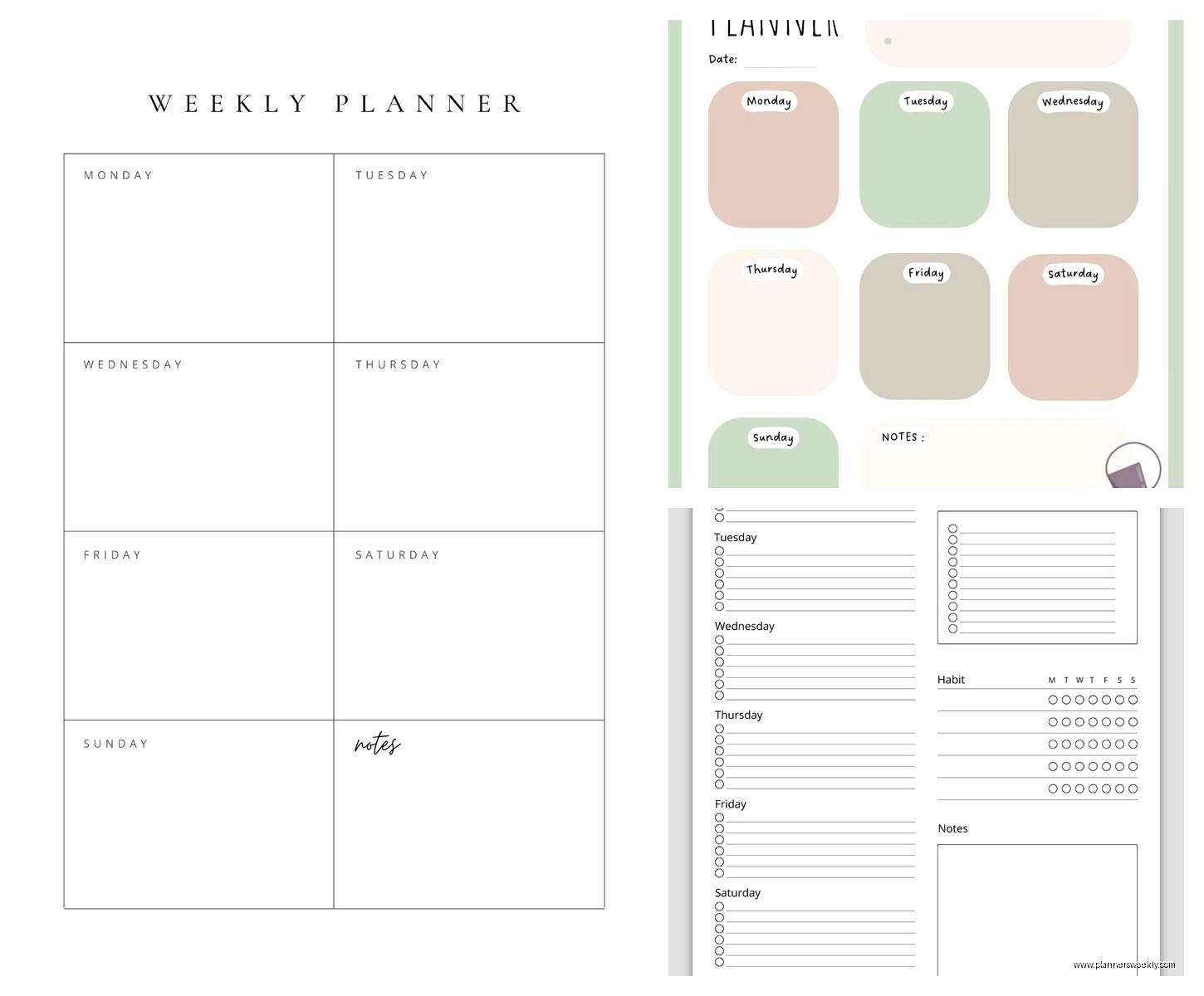
The Simplified Planner also does this well – monthly overview on one page, then weekly spreads. Plus it has goal-setting pages at the start of each month which I ignored at first but then my client canceled last Tuesday so I spent an hour actually filling them out and it helped me realize I was being weirdly vague about what I wanted to accomplish.
Extra Features That Are Actually Useful
Okay so a lot of planners try to add value with random pages in the back – notes sections, contact lists, year-at-a-glance calendars. Most of it I ignore completely. But a few things I’ve found genuinely helpful:
- Perforated pages for ripping out to-do lists – the Day Designer has this and I use it constantly
- Elastic closure band so the planner stays shut in your bag – prevents pages getting bent
- Ribbon bookmarks, especially two of them so you can mark current week AND a future week you’re planning
- Back pocket for storing receipts or loose papers – the Passion Planner has this and it’s more useful than expected
Things I thought would be useful but aren’t: sticker sheets (too much visual clutter), inspirational quotes on every page (distracting), habit trackers that are too detailed (never kept up with them).
The Digital Hybrid Situation
This is probably gonna be controversial but I’ve tried combining digital and paper planning and it mostly just creates two places where information lives and neither is complete. The Rocketbook system lets you write on reusable pages and scan them to digital but then you’re erasing your history which defeats the purpose of having a record.
What DOES work is using digital for anything collaborative or time-sensitive (work calendar, shared family calendar) and paper for personal planning, reflection, and task management. Keep them separate. Don’t try to mirror them. It’s too much work.
Specific Recommendations Based on Your Situation
If You’re a Student
The Academic Planner by Bloom Daily is designed for school years (August to July) and has sections for each class, assignment tracking, and exam schedules. It’s $20 and the layout is straightforward. Paper quality is medium – fine for regular pens, not great for highlighters.
If You Travel a Lot
Get something compact and durable. The Hobonist Weeks I mentioned earlier, or the Quo Vadis Minister Weekly. Both fit in small bags, have hard covers that protect pages, and the size means you’re not carrying a heavy brick around.
If You Have a Chaotic Schedule
Time-blocked planners, hands down. Either the Full Focus Planner or the Clever Fox Planner which is similar but cheaper ($25). Having to assign specific times forces you to be realistic about how much you can actually accomplish. I fought this for so long but it works.
If You Want Something Pretty
Erin Condren LifePlanner or the ban.do planner. Both are colorful, decorated, have fun covers. The ban.do one is particularly good if you like a more playful aesthetic – lots of bright colors and encouraging phrases without being too precious about it.
If You’re on a Budget
Blue Sky planners at $10-15 are totally adequate. Also check Walmart and Target for their in-house brands. The Target Sugar Paper planners are around $12 and honestly pretty nice for the price. You’re not getting premium paper but for basic planning they’re fine.
The Stuff That Didn’t Work for Me
The Happy Planner system with the disc binding seemed cool because you can add and remove pages, but the discs are HUGE and the whole thing feels bulky. Plus you end up buying so many add-on packs that it gets expensive fast.
Undated planners like the Ink+Volt seem flexible but I found myself forgetting to fill in dates and then losing track of where I was. If you’re super consistent it might work but I need the dates pre-printed or I just… don’t.
Planners with too much structure – like the Volt Planner that has sections for gratitude, affirmations, daily wins, etc. – felt like homework. I’m planning my day, not journaling my feelings about my day. Some people love that combo but it’s not for me.
What I’m Actually Using Right Now
So after all this testing I’m using the Leuchtturm1917 for work stuff and the Moleskine for personal life. Two planners feels excessive but trying to cram everything into one system never worked. Work needs detail and time blocking, personal stuff just needs dates and basic reminders.
I keep the Leuchtturm on my desk and it never moves. The Moleskine lives in my bag. This separation also helps me mentally separate work and life which has been good for boundaries.
If I could only pick one though? Probably the Full Focus Planner despite the price because it’s genuinely changed how I structure my days. The quarterly format also forces me to review and reset regularly instead of just coasting through the year on autopilot.
Oh and another thing – whatever you choose, give it at least two weeks before deciding if it works. The first week with any new planner feels awkward because you’re learning the system. By week three you’ll know if it fits your brain or not. I almost gave up on time blocking after four days because it felt restrictive but now I can’t imagine planning any other way.
