
Digital Productivity, Online planners, Planners
Papier Daily Planner: Complete Product Review & Guide

Mar
okay so I’ve been using the Papier daily planner for about three months now
and honestly I picked it up because a client kept raving about it during our sessions and I was like, fine, I’ll bite. ordered it on a Wednesday and it showed up faster than I expected which was nice because my old planner was literally falling apart at the seams.
First thing you notice when you open the package is the quality. Like the paper feels expensive? I’m gonna sound weird but I actually ran my fingers across the pages like some kind of stationery weirdo. It’s 120gsm which means your pen isn’t gonna bleed through unless you’re using like a Sharpie or something ridiculous. I tested it with my usual suspects – Pilot G2, Muji gel pens, even a fountain pen because why not – and zero bleed through. The fountain pen showed a tiny bit of ghosting on the back but nothing that made it unusable.
the layout situation
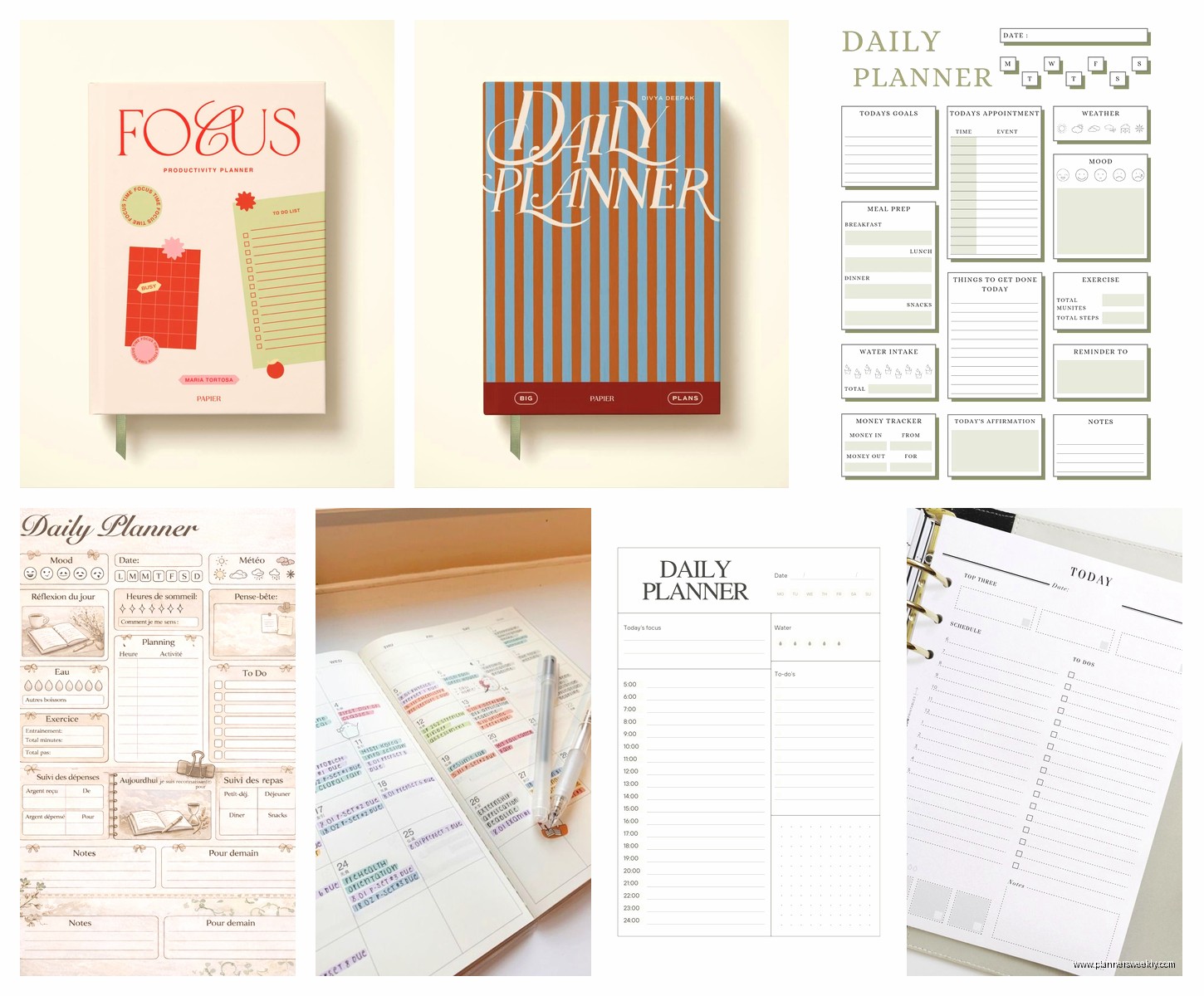
So Papier does this thing where each day gets its own page. Full page. Which felt like overkill at first? I’m used to weekly spreads where you’re cramming everything into little boxes, but having a whole page per day is actually kinda liberating once you get used to it. The left side has your hourly schedule from 7am to 9pm – which okay, if you’re a night owl this might annoy you but I just use the bottom margins for late night stuff.
Right side has sections for priorities, notes, and this little water tracker thing. The water tracker is honestly just circles you fill in and I ignore it half the time but my assistant uses hers religiously so like, to each their own. There’s also a tiny habit tracker at the bottom which I use for tracking whether I actually responded to emails same-day because that’s my perpetual struggle.
oh and another thing – the priorities section only has space for three items. THREE. At first I was like this is not enough, I have seventeen priorities today, but it actually forces you to be realistic about what you can accomplish. Game changer for my clients who tend to overcommit. I’ve started recommending it specifically for that reason.
customization options are wild
Wait I forgot to mention the whole customization thing. So when you order from Papier’s website you can personalize basically everything. Cover color, foil stamping, you can add your name or initials or a quote or whatever. I went with navy blue with rose gold foiling because I’m apparently fancy now, but they have like 20+ color combinations.
The covers are hardback which is crucial if you’re throwing this in a bag. My last planner was softcover and got destroyed within weeks. This one has survived being squished under my laptop, having coffee spilled near it (not ON it thankfully), and my cat walking across it multiple times while I was trying to plan my week. The binding is lay-flat which seems like a small thing until you’re trying to write in a planner that keeps snapping shut on you.

the actual daily planning experience
Okay so funny story, I decided to really test this thing during my busiest month – had a workshop series, three speaking gigs, and was helping my sister move. If the planner was gonna fail me, that would be the time. The hourly breakdown saved my life honestly. I could see at a glance where I had gaps, where I was double-booked (happened twice because I’m a disaster), and where I needed to build in buffer time.
The notes section is bigger than you’d think. I use it for meeting notes, random thoughts, things people tell me that I need to remember. Sometimes I sketch out workshop ideas there. My handwriting is terrible so it ends up looking chaotic but it WORKS. You’ve got probably a third of the page for notes which is generous.
this is gonna sound weird but the paper color matters more than I thought it would. Papier uses this cream colored paper instead of bright white and it’s so much easier on the eyes. I plan at night usually, after dinner when the house is quiet, and the cream paper doesn’t feel as harsh under my desk lamp. Small detail but it adds up when you’re using something every single day.
what drives me nuts about it
Not everything is perfect though. The planner is THICK. Like really thick because you’re getting 365+ pages plus extras. It’s about 1.5 inches thick which means it takes up real space in your bag. I ended up getting a bigger tote just to accommodate it plus my laptop and other stuff. If you’re someone who travels light, this might be annoying.
Also there’s no elastic closure. The planner just… closes. Which is fine when it’s sitting on your desk but if you throw it in a bag with loose papers or bookmarks or whatever, stuff falls out. I bought a separate band on Amazon for like $8 which solved the problem but it’s annoying that it doesn’t come with one.
The price point is higher than your average planner – you’re looking at around $45-65 depending on the size and customization options. Which okay, compared to like a Moleskine or Passion Planner it’s competitive, but compared to a $15 planner from Target it’s definitely an investment. I justify it because I use mine literally every day and the quality means it’ll last the full year, but I get why some people balk at the cost.
comparing it to other planners I’ve tested
So I’ve reviewed probably 30+ planners over the last few years and the Papier sits in this interesting middle zone. It’s more structured than a bullet journal – you don’t have to draw out your own layouts which saves time – but it’s less structured than something like a Passion Planner which has all these prompts and reflection sections.
If you’re coming from a Passion Planner, you might miss the monthly reflection pages and the inspirational quotes. Papier is more straightforward, more focused on just getting through your day. There’s monthly overview pages at the start of each month which are helpful for big picture planning, but no weekly reviews or gratitude sections or any of that.
Compared to a Hobonichi which is another daily planner people love – the Papier has way more structure. Hobonichi is basically a dated notebook with timestamps, super minimal. Papier actually guides you with sections and prompts. Also Papier paper is thicker. Hobonichi uses tomoe river paper which is thin and fountain pen friendly but you can see through it more.
the extras they include
There’s like a whole bunch of bonus pages in the back. Yearly overview, monthly overviews before each month starts, dot grid pages for random notes, and these planning pages for goals and projects. I use the project planning pages for my workshop development – each workshop gets a page where I brain dump ideas and track progress.
They also include sticker sheets which feels very millennial of them but whatever, I use them. Little stars for important days, flags for deadlines, that kind of thing. My teenage niece thinks this is hilarious but it genuinely helps things stand out when I’m flipping through looking for specific dates.
oh and there’s a ribbon bookmark. Just one though, and I honestly wish there were two because I want one for today and one for the week view. This is me being picky but still. I stuck a paper clip on the monthly page I’m currently in which works but looks janky.
who this planner is actually for
Real talk – this isn’t for everyone. If you have like three appointments a week and mostly use your planner for meal planning and tracking habits, this is overkill. You’d be better off with a weekly layout or even a bullet journal where you only set up pages as you need them.
But if you’re someone with a packed schedule, multiple projects, lots of meetings and appointments, and you like having structure without being overly constrained – yeah this works. I recommend it to clients who are professionals juggling a lot, parents managing family schedules plus their own stuff, students in demanding programs. People who need to see their day hour by hour.
Also good for people who are trying to get better at planning. The clear sections make it obvious what you should be thinking about – what’s time sensitive, what’s important but flexible, what you need to remember. You don’t have to figure out your own system from scratch.
actual tips for using it effectively
Okay so I’ve figured out some things that make the Papier work better. First, fill out your monthly overview as soon as the month starts. I do this on the last day of the previous month usually while watching TV (currently rewatching The Bear for the third time don’t judge me). Block in all your fixed commitments, deadlines, birthdays, whatever. Then you can reference it when you’re doing daily planning.
Second, don’t feel like you need to fill in every section every day. Some days I skip the priorities section if it’s a light day. Some days I don’t use the hourly schedule because it’s all project work with no meetings. The structure is there to help you, not to stress you out about leaving blanks.
Third – and this took me a while to figure out – do your next-day planning the night before. I spend like 10 minutes before bed looking at tomorrow’s page, filling in appointments, deciding on priorities. Makes the morning so much smoother because I’m not starting from zero trying to figure out what needs to happen.
For the notes section, I’ve started using a simple code. Square brackets for action items that came up during the day, stars for important info I need to remember, arrows for things that need to move to another day. Keeps it organized without being complicated.
the mobile app situation
So Papier doesn’t have a dedicated app which honestly is fine by me? The whole point of a paper planner is being analog. But I know some people want digital integration. What I do is take a quick photo of my day’s page in the morning and keep it in my photos so I can reference it when I’m out. Not elegant but it works.
Some of my clients use their Papier alongside Google Calendar – digital calendar for scheduling and sharing with others, paper planner for daily task management and notes. That combo seems to work well if you need both worlds.
durability after three months
My planner still looks pretty good honestly. The cover has some wear on the corners where the foiling is slightly scuffed but nothing major. Pages are holding up well, no tears or anything. The binding is still tight and it lays flat perfectly. I’m confident this’ll make it the full year without falling apart.
I did spill tea on it once – just a little splash – and the cover wiped clean easy. The pages got slightly wrinkled where the tea hit but the ink didn’t run and everything was still readable. So it can handle minor accidents which is crucial for someone as clumsy as me.
alternatives if this isn’t your thing
If the Papier feels like too much, the Day Designer has a similar daily layout but in a weekly format where you get less space per day. Might be a good middle ground. Or if you want something more minimal, the Hobonichi Weeks gives you vertical columns for each day of the week which is super compact.
For people who want MORE than Papier offers – like serious goal tracking and reflection prompts – the Full Focus Planner or Self Journal might be better fits. They’re more intensive with quarterly planning and all that. Personally I find that overwhelming but some people thrive on it.
And look, if you’re on a budget, the Blue Sky daily planners are like $20 and have decent paper quality. You won’t get the customization or premium feel but the functionality is similar. I used those for years before investing in pricier options.
The Papier is gonna work for you if you value quality materials, like having clear structure, and actually enjoy the physical act of writing things down. It’s made my planning process way more consistent and honestly more enjoyable. Which sounds dumb but when you’re using something every single day, it might as well be something that doesn’t annoy you.
