
Digital Productivity, Online planners, Planners
Best Day Planners 2026: Expert Reviews & Rankings

Feb
okay so I just tested like twelve planners over the past month and here’s what actually matters
The Moleskine Daily Planner 2026 keeps landing on my desk because it’s basically the reliable friend who shows up on time. I spilled coffee on mine last week which actually tested the paper quality accidentally and the pages didn’t bleed through which was shocking. The layout gives you a full page per day but honestly if you’re not someone who writes a novel every morning it feels wasteful. I use it for client sessions where I need to track detailed notes because there’s actual room to think. The binding lies flat which sounds boring but wait until you’re trying to write with one hand while holding your phone with the other.
But here’s the thing about Moleskine – you’re paying for the brand. The elastic closure is nice I guess? My cat thinks it’s a toy so there’s that.
Passion Planner 2026 if you’re into that whole intentional living thing
I tested the Passion Planner because everyone kept mentioning it in my productivity workshops. It’s got this whole roadmap section at the beginning that’s supposed to help you plan your year and honestly I skipped most of it because who has time in January when you’re already behind. The weekly spreads though – okay so they give you space for personal and work stuff separately which is actually genius if you have boundaries, which I’m working on.
The paper quality is surprisingly good for the price point. I used Mildliners on mine (the gray ones because I was watching this show about minimalism and got inspired for like three days) and zero ghosting. The Sunday start thing bugs some people but I’ve gotten used to it. Oh and another thing – they have hourly slots from 6am to 11pm which assumes you’re a morning person, so if you roll out of bed at noon this might feel judgy.
wait I forgot to mention the Panda Planner situation
The Panda Planner 2026 edition showed up and I was skeptical because the happiness tracking stuff seemed gimmicky. But then I actually used it for three weeks straight and the daily gratitude section kinda grew on me? Not in a toxic positivity way but in a “oh yeah I did have one good meeting today” way. The monthly review pages are where this thing shines – you actually reflect on what worked and what didn’t instead of just flipping to a new month and forgetting January was a disaster.
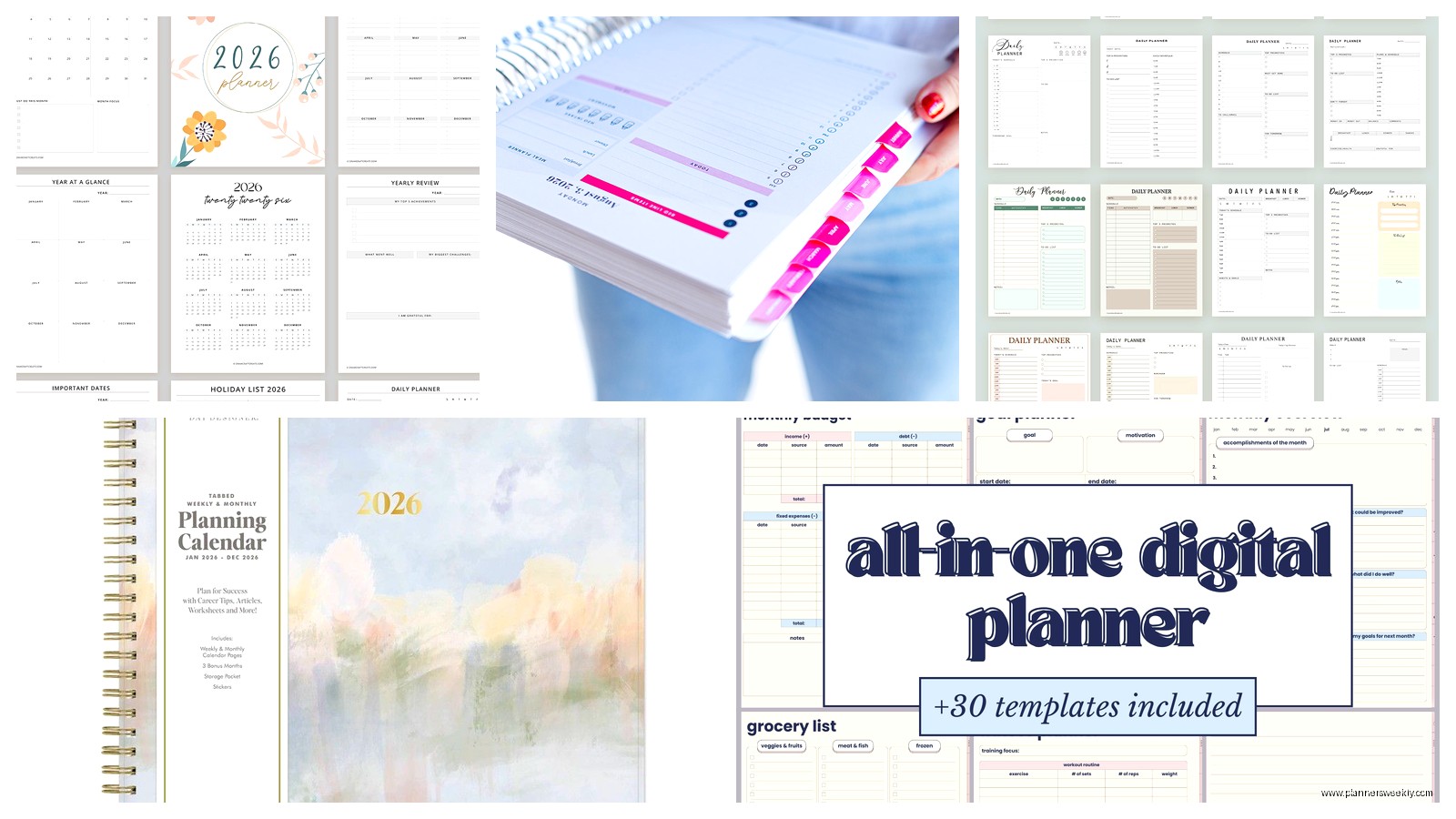
The layout is morning/afternoon/evening chunks instead of hourly which works if your schedule is flexible but terrible if you need to block out specific times. I ended up using it alongside my digital calendar which defeats the purpose a little bit but whatever works right?
Blue Sky planners are the budget option that doesn’t feel cheap
Blue Sky 2026 planners come in about fifteen million designs which is overwhelming but also means you can find one that doesn’t look like a corporate prison. I picked the Bakah Blue design because it looked calm and I needed that energy. These are like $15-20 which makes them perfect for people who aren’t sure they’ll stick with paper planning or who lose things frequently.
The paper is thinner than premium planners so if you’re a fountain pen person this isn’t it. But for regular pens and pencils it’s totally fine. Monthly and weekly views, nothing fancy, gets the job done. I recommend these to clients who are just starting out with planning because if you hate it you’re not out $40.
This is gonna sound weird but the twin-wire binding is chef’s kiss for durability. I’ve had mine in my bag for weeks getting crushed by my laptop and water bottle and it’s holding up.
Ink+Volt 2026 for people who like structure but make it aesthetic
okay so funny story I bought this one because the Instagram ads got me and I was annoyed at myself but then it arrived and the quality is actually there. The goal planning worksheets at the beginning are detailed without being overwhelming. They break down yearly goals into quarterly focus areas which sounds corporate but actually helps if you’re prone to setting seventeen goals in January and abandoning them by February.
The weekly layout has a priorities section that forces you to pick your top three things which I hate but also need. There’s reflection prompts throughout that I ignore half the time but when I do use them they’re helpful. The paper is thick, smooth, takes all my pens well. It’s pricey though – we’re talking $38-42 depending on where you catch it.
My client canceled yesterday so I spent an hour comparing the monthly layouts of this versus the Passion Planner and honestly the Ink+Volt monthly view is cleaner with better space for each day.
Erin Condren LifePlanner because customization is their whole thing
I gotta be honest the Erin Condren 2026 planners overwhelm me with choices. You pick your layout, cover, coil color, starting month – it’s a lot. But if you know what works for you this is perfect. The three layout options are vertical (divided into morning/day/night), horizontal (classic weekly spread), or hourly (time blocked).
I went with vertical because my days are chunk-based not time-based. The paper quality is excellent, the snap-in dashboards are actually useful for bookmarking, and the sticker sheets they include are cute if you’re into that. I’m not really but sometimes I use them to color-code client types.
The price is steep at $45-65 depending on customization but it lasts the full year. The coil binding means it stays open which is crucial if you’re actually using this thing daily. Pages don’t rip out easily which happened with my cheaper planners constantly.
Lemome thick paper situation for fountain pen people
If you use fountain pens or heavy markers the Lemome 2026 planner is what you need. The paper is 120gsm which is significantly thicker than most planners. I tested this with my most bleedy pens just to see and nothing came through. The layout is pretty basic – weekly spreads, monthly overviews, nothing revolutionary.
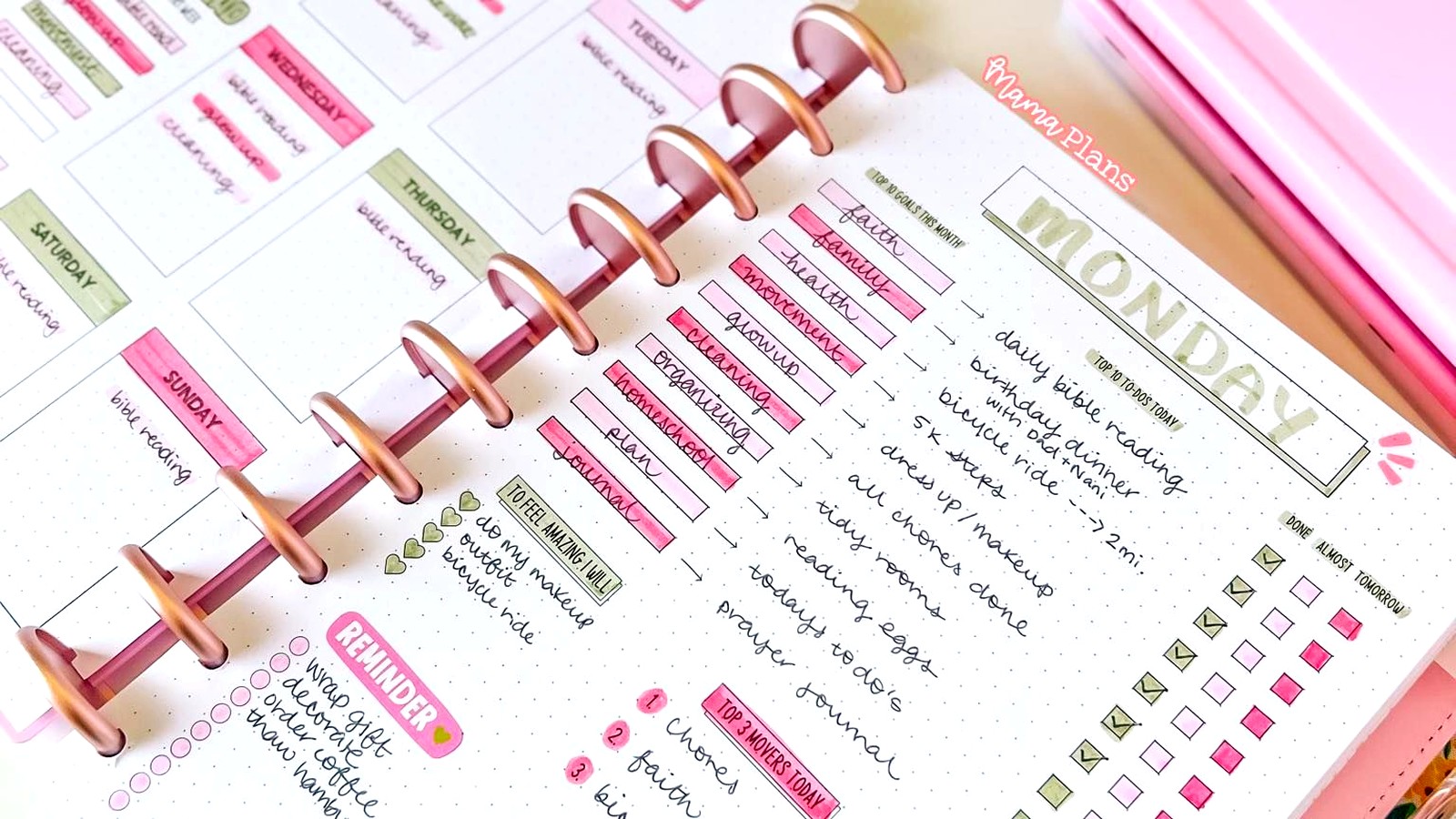
It comes with inner pocket, pen loop (actually secure unlike some), elastic closure. Very classic planner vibes. The binding is sewn which means better longevity. At around $23 it’s mid-range pricing for premium paper quality.
The size options matter here – they have A4, A5, and B6. I went with A5 because it fits in my work bag but still has decent writing space. The A4 is massive and honestly unless you’re at a desk all day it’s impractical.
wait the Clever Fox issue I need to mention
Clever Fox Planner 2026 keeps popping up in my workshops because it’s got that whole goal-setting framework built in. Similar to Panda and Passion but with more structure around habit tracking. If you’re someone who needs accountability baked into your planner this works.
The dated version runs January to December which seems obvious but some planners do weird 18-month things that throw you off. Weekly spreads include habit tracker, gratitude, weekly focus, and schedule. It’s busy visually which either helps you stay organized or makes you anxious – really depends on your brain.
Paper quality is good, binding holds up, comes with stickers and bookmark ribbons. Price sits around $28-32. The size is compact enough to travel with but big enough to actually write in without cramping your hand.
BestSelf Co planners if you want quarterly focus
The BestSelf 2026 planner system is different because instead of one annual planner you get quarterly books. This sounds annoying but actually works well if you’re someone whose needs change throughout the year. The Q1 planner is goal-heavy, Q2 adjusts based on progress, etc.
Each quarter is $30ish so you’re looking at $120 for the year which is a lot. But the paper quality is premium and the weekly layouts have multiple frameworks – you can use time blocking, priority listing, or habit tracking depending on the week. I used this system in 2025 and the quarterly reset helped me actually reassess instead of just plowing forward with goals that stopped making sense.
oh and another thing – the reflection pages between quarters are actually useful unlike some planners where reflection prompts feel like busywork.
what about digital hybrids though
The Rocketbook Fusion 2026 is technically reusable but functions as a planner. You write on it with Pilot FriXion pens, scan pages to cloud, then wipe clean with a damp cloth. I tested this thinking it would be gimmicky but for people who want paper feel without paper waste it’s smart.
The templates include monthly calendars, weekly planners, daily schedules, lists, and dot grid pages. You can’t customize the layout but the variety covers most planning needs. At $37 for something you use indefinitely the cost makes sense long-term.
The scanning process through their app works better than I expected. Pages upload to Google Drive, Dropbox, Evernote, whatever you use. My only complaint is you can’t reference old weeks unless you dig through digital files which breaks the flow sometimes.
My dog ate the pen that came with it so I had to buy more FriXion pens separately which annoyed me but they’re not expensive.
the size question nobody asks until it’s too late
Look I’ve made this mistake too many times – buying a planner based on layout and features then realizing it doesn’t fit in your actual life. A5 size (5.8 x 8.3 inches) is the sweet spot for most people. Fits in standard bags, enough room to write without cramping, portable for meetings or coffee shops.
A4 planners (8.3 x 11.7 inches) are beautiful on a desk but terrible for carrying around. If you work from home or have a dedicated office space maybe this works. I tried using an A4 for two weeks and it lived on my desk which meant I forgot to check it constantly.
Personal size (3.7 x 6.7 inches) fits in pockets and small purses but you’re gonna be writing tiny. I use a personal size for quick capture stuff but not for actual planning because my handwriting gets illegible.
Desk size planners (like the ones that are basically giant desk pads) work for people who never leave their workspace but that’s not most of us anymore.
