
Digital Productivity, Online planners, Planners
Daily Organiser Guide: Best Planning Systems & Tools
Apr
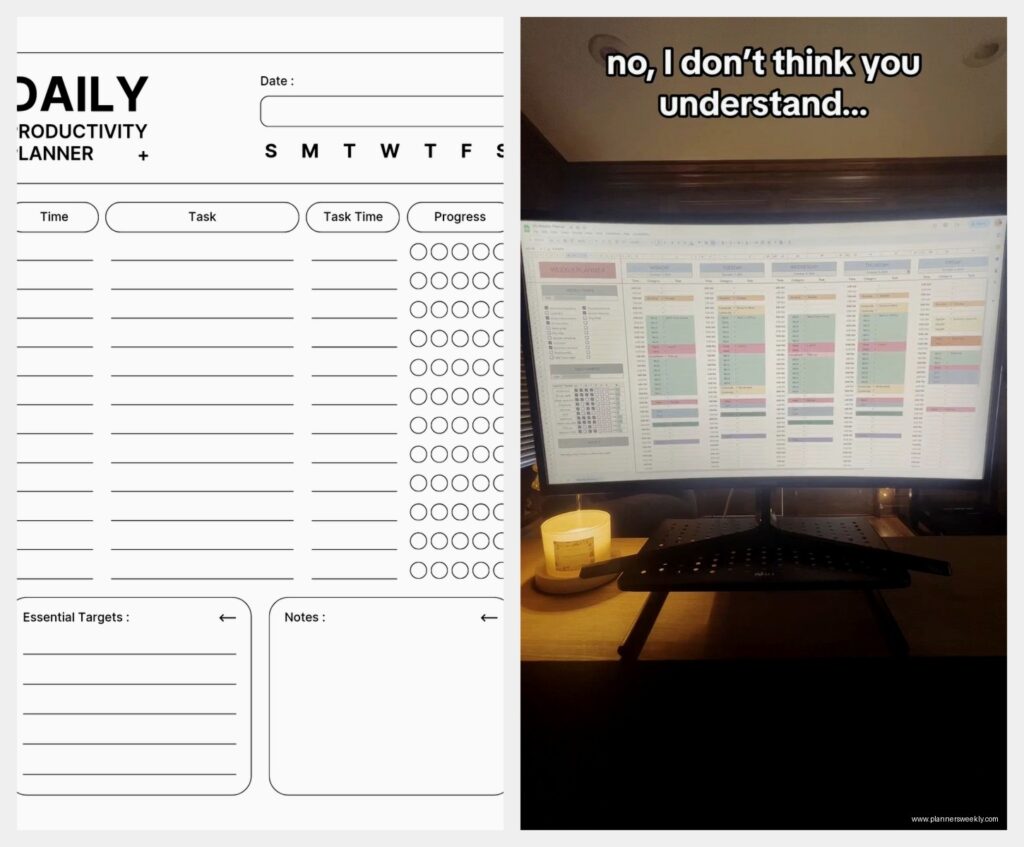
Okay so I just tested like five different daily organisers last week because my client canceled and I went down this rabbit hole, and here’s what actually matters when you’re picking one.
The Whole Daily vs Weekly Thing Nobody Explains Right
First thing – daily organisers are NOT the same as weekly planners and this trips everyone up. A daily organiser gives you a full page or substantial space for each day. Weekly planners cram seven days onto two pages and honestly if you’ve got more than like three tasks per day, you’re gonna hate your life with a weekly.
I switched to daily pages two years ago when I realized I was writing meeting notes on random post-its because there was literally no room in my weekly spread. Game changer. But also they’re bulkier so like, trade-offs.
The Dated vs Undated Debate
Here’s where people waste money – buying dated planners in March or whenever and then half the pages are useless. I did this with a Moleskine in 2019 and I’m still annoyed about it.
Dated organisers:
- Pro: Everything’s already there, dates and all. Just open and write.
- Pro: Psychologically you feel like you gotta use it since the dates are ticking by
- Con: If you skip a week you’ve got blank pages staring at you forever
- Con: Have to buy it at the right time of year
Undated organisers:
- Pro: Start literally whenever, take breaks without guilt
- Pro: Usually cheaper because they’re not seasonal
- Con: You have to write the date every single day and some days I just… forget? And then I don’t know what day things happened
- Con: Easy to abandon because there’s no date pressure
I use undated now but I keep a date stamp on my desk because writing “Monday, January 15th, 2024” every morning made me want to throw the whole planner out the window.
What’s Actually On The Page
This is gonna sound weird but the layout matters MORE than the brand. I’ve used expensive Passion Planners and cheap Amazon basics and honestly the page design is what makes or breaks it.
Time-Blocked Pages
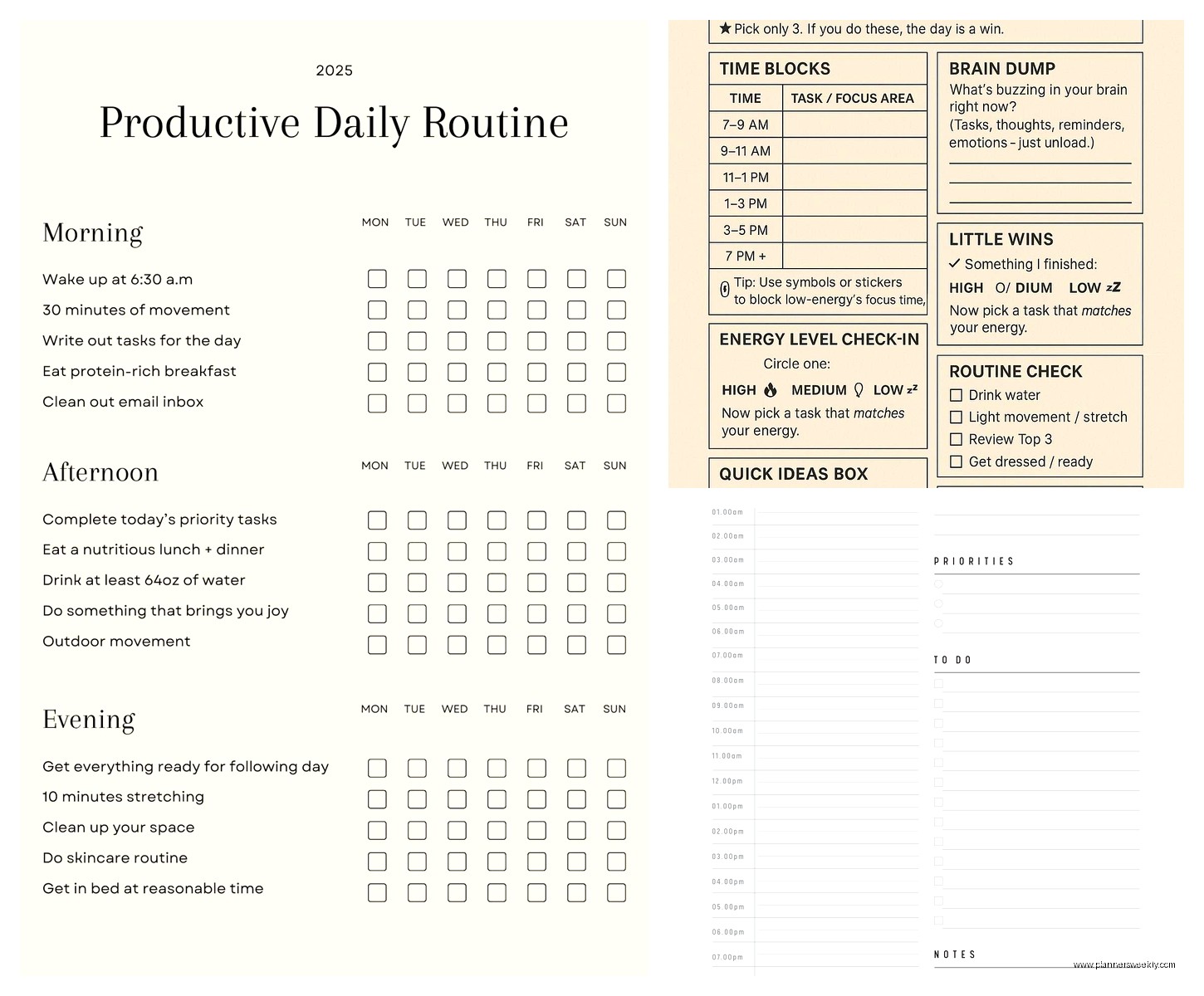
These have hourly slots printed on them, usually like 6am to 9pm or whatever. The Passion Planner does this, so does the Day Designer.
Good for: People with lots of meetings, appointments, anyone who time-blocks their day
Bad for: If your day is more task-based than time-based, you’ll have all these empty hour slots looking sad. Also I found myself trying to fill the time slots even when I didn’t need to, which is its own weird problem.
Sectioned Pages (Morning/Afternoon/Evening)
The Panda Planner does this and so do a bunch of others. Page is divided into chunks but not specific hours.
I actually love this format? It’s structured enough that you know where stuff goes but flexible enough that you’re not married to specific times. My dog got sick last month and I had to rearrange everything – this format made it so much easier than time-blocked pages where I would’ve had to cross out and rewrite everything.
Open Dot Grid or Blank
Leuchtturm and Rhodia do daily notebooks that are just… pages. You make your own layout.
For people who like bullet journaling but don’t wanna draw elaborate spreads every week, this works. But gonna be real, on tired days I just write a random list and it’s not actually organized at all.
The Specific Ones I’ve Actually Used
Passion Planner Daily
Okay so this one is like the popular girl of daily planners. Hourly time slots from 6am to 1am (which, who is productive at 1am, but okay). Space for a daily focus and good things that happened.
The paper is thick enough for most pens. I use Pilot G2 0.7 and it doesn’t bleed through. The binding lays flat which seems like a small thing until you use a planner that doesn’t and you’re fighting it every day.
It’s big though. Like textbook big. Fits in my work bag but only just. And it’s expensive – around $35-40 depending on size. Worth it if you’re actually gonna use it, but I’ve seen so many people buy it for the Instagram aesthetic and then never touch it.
Day Designer Daily
Similar vibe to Passion Planner but the layout is cleaner? Less cluttered. Time slots are 5am to 9pm. There’s a whole section for notes which I actually use for meal planning because I got tired of having that on a separate list.
The covers are really pretty if you care about that. I don’t usually but my blue floral one does make me slightly happier when I open it, not gonna lie.
Paper quality is good. Binding is fine but not as good as Passion Planner – mine started coming loose after like 8 months of heavy use.
Panda Planner Daily
This one is FOR people who want productivity coaching built into their planner. Every page has gratitude prompts, priorities section, evening review.
When I’m in a good routine, I love this. It keeps me accountable. When I’m overwhelmed, all those sections feel like homework and I avoid the whole planner. So like, know yourself.
It’s also got monthly and weekly review pages which sounds great but I literally never do them. They’re just empty pages in my planner judging me.
Paper is okay, not amazing. My fountain pens ghost through it so I stick to ballpoints with this one.
Leuchtturm1917 Daily Notebook
Wait I forgot to mention – this isn’t technically an organiser, it’s a daily notebook. Each page has a date field you fill in and then it’s dot grid.
I used this for six months when I wanted maximum flexibility. You can do whatever layout you want. I did a modified bullet journal thing – tasks, notes, whatever.
The paper is legitimately good. Like, fountain pen good. The pages are numbered which helps when you’re making an index. It comes with stickers for labeling and page markers.
But real talk – some days I just didn’t know what to do with a blank page and ended up not planning at all. Freedom is great until you’re staring at dots at 6am with no coffee in you yet.
Digital Options Because We Live In 2024
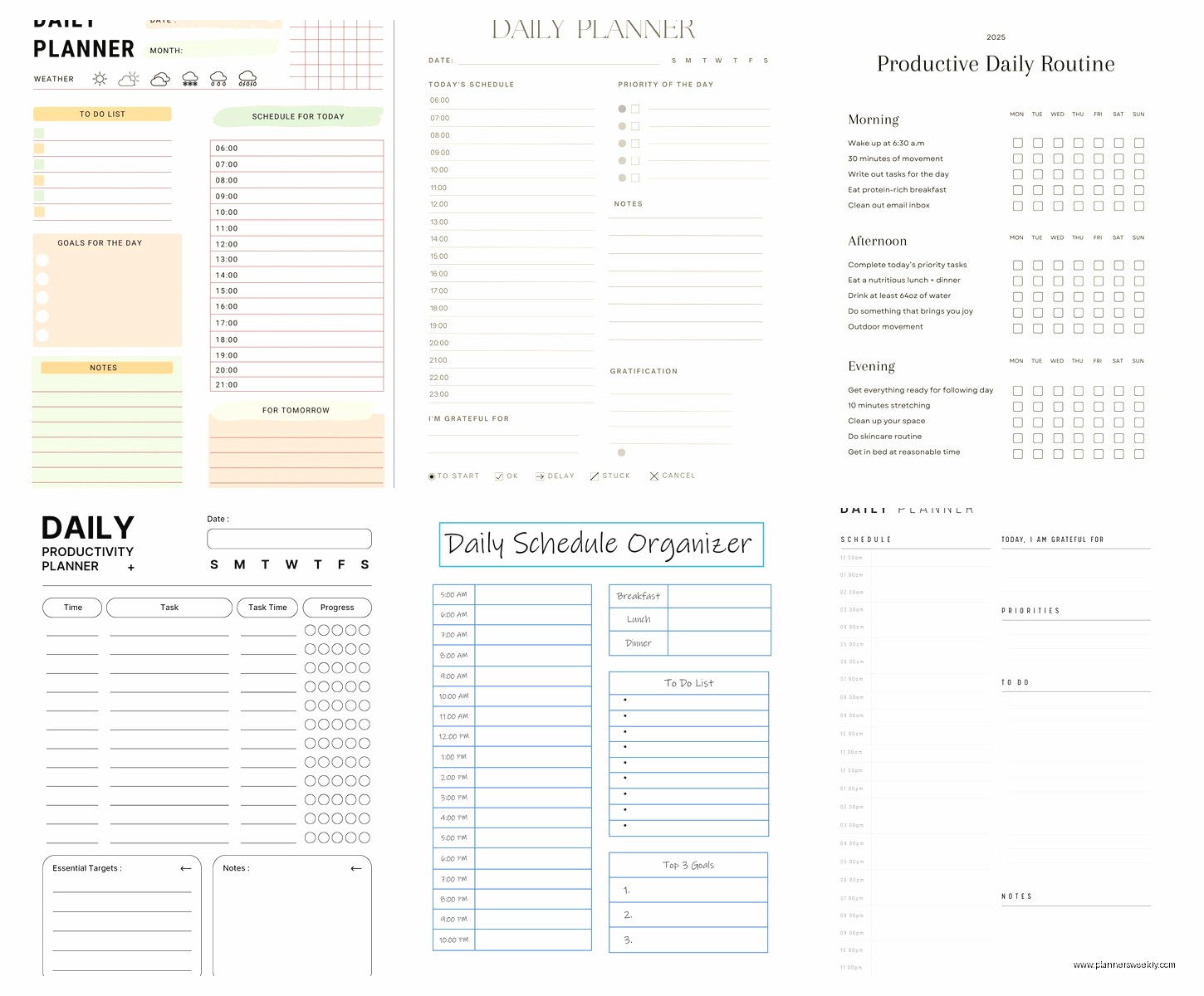
Okay so funny story, I resisted digital planning forever because I’m a stationery person obviously, but then I tried it for a month and… it has its place.
Notion Daily Templates
You can build a daily organiser in Notion or buy someone else’s template. I use one that has a daily page with tasks, time blocks, notes, and it links to my projects database.
The good: Everything’s searchable. You can move tasks between days. Copy-paste recurring tasks instead of rewriting them. Access it anywhere.
The bad: Requires internet usually. The app is kinda slow sometimes. And I personally retain information better when I write it by hand, so I miss that.
I use Notion for work planning and paper for personal stuff now. Hybrid system.
Google Calendar as a Daily Organiser
This sounds too simple but hear me out – if you time-block everything in Google Calendar, it functions as a daily organiser. You can see your whole day, move things around, set reminders.
I have a client who does this exclusively and swears by it. Color-codes everything. Makes templates for recurring days.
Not for me because I need space for notes and task details, but if your planning is mostly about time management, this works and it’s free.
GoodNotes or Notability with Digital Planners
If you have an iPad, you can buy digital planner templates and write on them with an Apple Pencil. Feels like paper but with digital benefits.
I tested this while watching that Ted Lasso show everyone was talking about (finally got around to it) and it’s… fine? The writing experience is good. You can move stuff around, erase cleanly, add stickers if you’re into that.
But my hand cramps faster than with real paper and I got annoyed having to charge another device. Also digital planners can get expensive – some templates are $20-30.
The Stuff That Actually Makes It Work
Okay so here’s the thing nobody tells you – the planner itself is like 40% of the system. The rest is the habits around it.
When You Actually Fill It Out
I plan my day the night before now. Tried doing it first thing in the morning but then I’d get derailed by emails or whatever and suddenly it’s 10am and I haven’t planned anything.
Night before takes 10 minutes. I look at tomorrow, block out meetings, list priorities, done. Morning me is very grateful.
Some people do weekly planning on Sundays and then daily touch-ups. Whatever works but you gotta have a consistent time or it doesn’t happen.
The Tools You Keep With It
I keep my planner with the same pens always. Sounds basic but when I have to hunt for a pen, I’m less likely to use it. I have a pen loop on my planner and a backup in the pocket.
Also sticky flags for marking important pages. And a small ruler because sometimes I wanna draw a line and not have it look like my cat walked across the page.
Oh and another thing – page markers. Most good planners come with a ribbon but I use multiple sticky page markers so I can jump between today, this week’s overview, and my running projects list.
The Review Habit
End of day, I spend like 3 minutes reviewing what happened. Move unfinished tasks to tomorrow or later. Note anything important.
This is what makes the daily organiser actually useful instead of just a pretty notebook where you write lists. The review closes the loop.
I don’t do the elaborate evening gratitude journal thing some planners push. Just a quick scan of what got done, what didn’t, what needs to move. Sometimes I write “today was chaos” and that’s the whole review and that’s fine.
How to Pick Yours
Start with how you actually work, not how you think you should work. I wasted money on planners that were for the person I wanted to be instead of the person I am.
If you have lots of appointments: Get a time-blocked planner. Passion Planner or Day Designer.
If you’re task-focused: Sectioned pages like Panda Planner or even a simple daily task list format.
If you want flexibility: Undated dot grid like Leuchtturm or build your own in Notion.
If you’re not sure: Start cheap. Get a $15 Amazon basics daily planner and use it for a month. See what you wish it had or didn’t have. Then invest in the nice one.
And honestly? The best planner is the one you’ll actually use. I know people with $5 spiral notebooks who are more organized than people with $50 luxury planners. The system matters more than the product.
Also you’re probably gonna try a few before you find your thing and that’s normal. I have a drawer of abandoned planners and I’m a productivity coach. It’s part of the process. Don’t feel bad about it.
