
Digital Productivity, Online planners, Planners
Page a Day Planner: Best Daily Planning Options
Apr
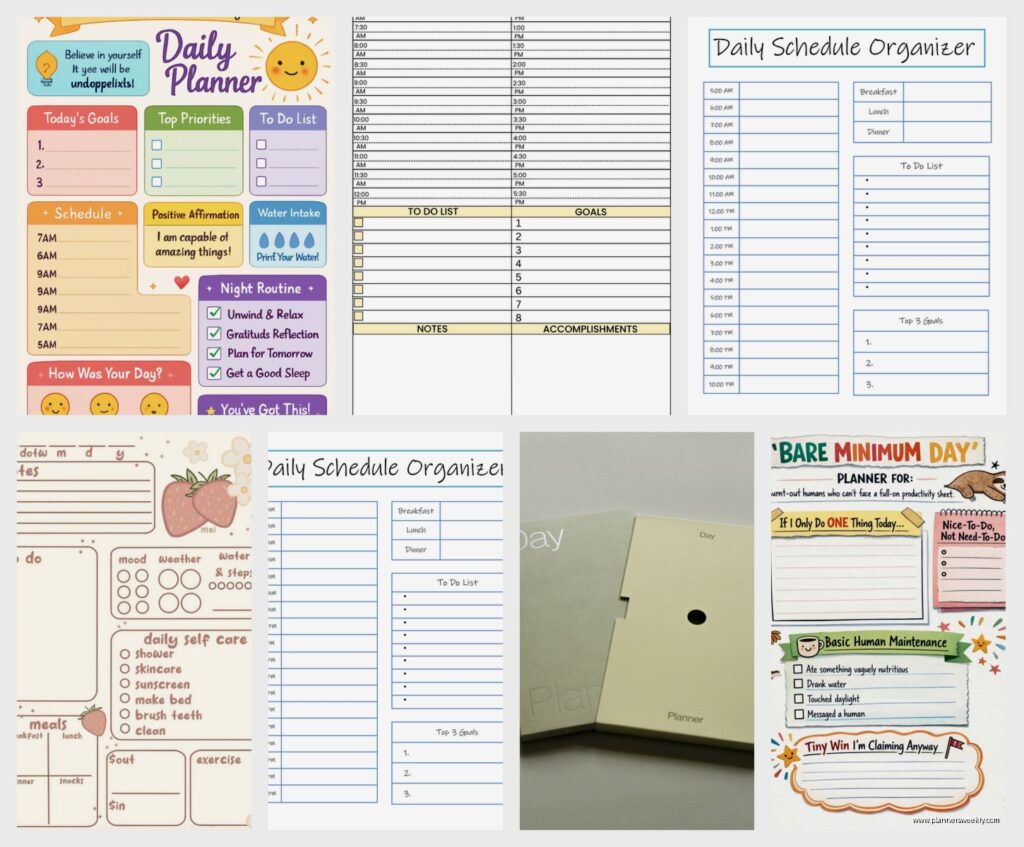
Okay so I just tested like eight different page a day planners last month and honestly some of them are absolutely not worth your money but a few are legitimately good. Let me break this down because I’ve been using these things for years and my desk currently looks like a planner graveyard.
The thing with page a day planners is they’re either gonna change your life or you’ll use them for three days and then feel guilty every time you see them. There’s like no middle ground. I’ve watched this happen with so many of my coaching clients that I can basically predict it now.
The Basics Nobody Tells You
First thing, you gotta figure out if you’re actually a page a day person. I know that sounds obvious but like, be honest with yourself. If you currently use a weekly planner and only write in it twice a week, jumping to a daily format isn’t gonna magically make you more organized. It’s just gonna make you feel worse about yourself which is the opposite of what we want here.
Page a day works best if you have a lot of daily details to track or if you genuinely enjoy the ritual of planning each morning. I have this one client who’s a freelance designer and she needs to track like seven different projects per day with time blocks and notes and everything, so page a day is perfect for her. Meanwhile my brother tried one and gave up immediately because he has maybe three things to write down per day and all that blank space stressed him out.
The Contenders I Actually Tested
So the At-A-Glance Daily Planner is probably the most common one you’ll see. It’s the one in every office supply store. I tested their standard size which is like 8×11 and honestly it’s solid but boring? The paper quality is decent, doesn’t bleed through with most pens though I did have some issues with my Tombow dual brush pens. Each page has hourly slots from 8am to 5pm which is kinda limited if you’re an early bird or night owl. There’s a notes section on the side that’s actually pretty generous.
The price point is reasonable, usually around $25-30 depending where you get it. The binding is wire which I personally hate because it never lays flat the way I want and my cat knocked it off my desk twice and pages got bent. But some people love wire binding so that’s a preference thing.
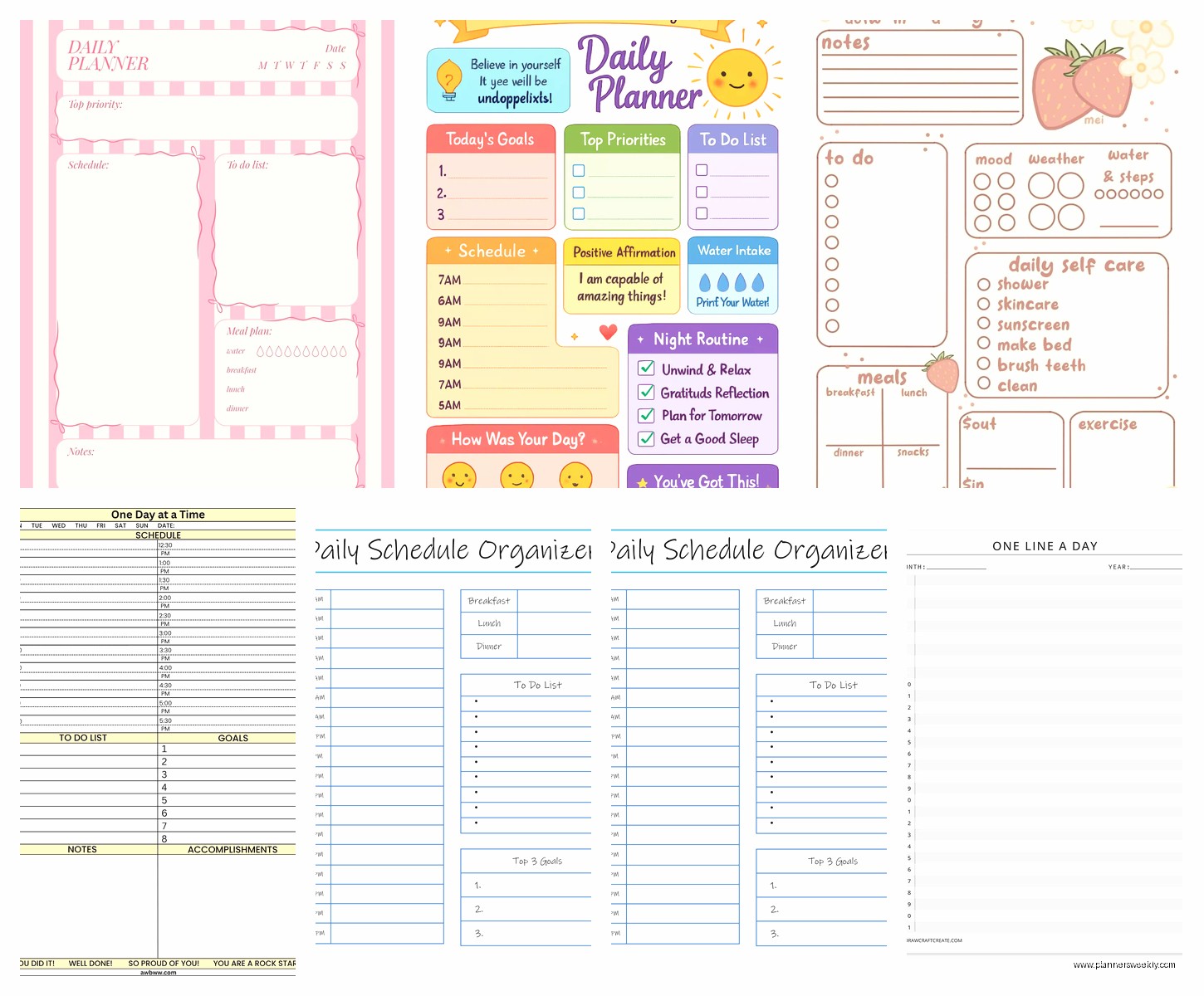
Oh and another thing about At-A-Glance, they have this Notetaker version that’s basically just lined pages with the date at the top. Way more flexible if you don’t want structured time slots. I actually prefer this one for creative work days when I’m not doing the whole time blocking thing.
Blue Sky Gets Interesting
Blue Sky Daily Planner is where things get more fun design-wise. They have all these patterns and colors and honestly some of them are gorgeous. I tested the Bakah Blue collection because the cover was pretty and I’m shallow like that. The paper is surprisingly good quality for the price, like noticeably better than At-A-Glance. Slightly thicker, takes ink really well.
What I like about Blue Sky is they give you more flexibility with the hourly sections. Most of their planners run 7am to 7pm with space above and below for early/late stuff. There’s also these little goal sections at the top of each page and a priorities list which sounds cheesy but I actually use them? Like I’ll write my top three things and it helps me not get distracted by random stuff.
The binding is twin-wire which lays flatter than regular wire. Still not perfect but better. Around $20-25 usually so pretty affordable. My main complaint is the pages can be a bit thin in some of their collections, you gotta check reviews for the specific design you want.
When You Want Something Fancier
Okay so if you’re willing to spend more, the Quo Vadis Trinote is actually incredible. It’s French, the paper is this beautiful cream color, and it’s set up in this three column format that’s genius for people who juggle multiple areas of life. Like you can use one column for work, one for personal, one for notes or whatever makes sense for you.
I used this for three months straight last year and the only reason I stopped is because I switched to a different system for a specific project. The paper is legitimately fountain pen friendly which matters if you’re into that. The binding is sewn which means it lays completely flat and will last forever basically.
It’s expensive though, like $40-50 depending where you buy it. But it’s one of those things where you can feel the quality difference immediately. The cover is substantial, the whole thing feels professional. I brought it to client meetings and people would comment on it which sounds dumb but also it made me look more put together so whatever.
Wait I Forgot to Mention Planner Pads
This is gonna sound weird but Planner Pad Daily makes a page a day version and it’s this whole funnel system thing. It’s not for everyone but some people absolutely swear by it. Basically each page is divided into sections for different life areas and you’re supposed to plan top-down from goals to specific tasks.
I tried it for two weeks and it wasn’t for me because I felt too constrained by the format, but my friend Sarah uses it religiously and has for like five years. She says it’s the only thing that keeps her ADHD brain organized. So clearly it works for some people, just know it’s very structured and if you don’t like being told where to write things, skip it.
The Digital Hybrid Situation
Okay so funny story, I was testing all these paper planners while also using digital tools and I kept thinking about the Rocketbook Daily Planner. It’s page a day but reusable because you write with their special pens and then scan the pages and wipe them clean.
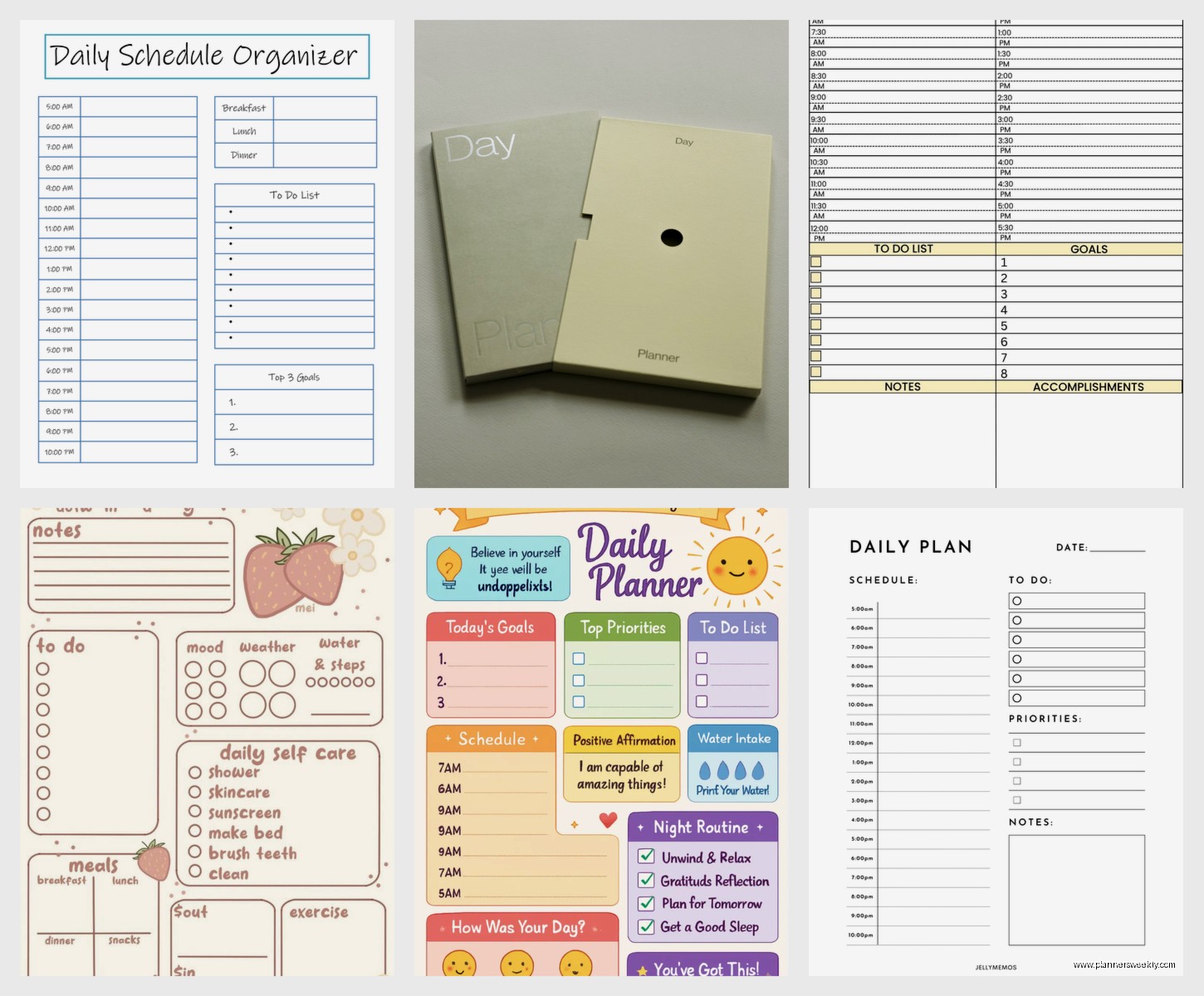
In theory this is amazing. In practice I found it kind of annoying? Like the scanning app works fine but having to scan every page before wiping it became this extra step that I’d forget about. Then I’d need to wipe a page but I hadn’t scanned yesterday’s notes yet and it became this whole thing.
But if you’re really trying to reduce paper waste or you travel a lot, it might be perfect. The pages are plastic-feeling which takes getting used to. You have to use their pens or compatible Pilot Frixion pens. It’s around $35 and comes with one pen and a cloth for wiping.
My client who’s a consultant and flies constantly loves hers because she only has to carry one planner all year instead of replacing it. She scans everything to her cloud storage and can reference old notes easily. So again, depends on your situation.
The Hourly Breakdown Problem
Something nobody talks about enough is how the hourly sections are formatted because this makes a huge difference in actual use. Some planners give you these tiny slots for each hour and it’s basically useless if you need to write any detail. Others give you too much space and then you feel bad about all the emptiness.
The sweet spot I’ve found is planners that do half-hour increments with enough space to write one or two lines per slot. Blue Sky does this well. Passion Planner daily edition also does this really well, though I haven’t fully tested that one because I got distracted watching The Bear and forgot to order it until recently.
At-A-Glance tends to be too cramped for my handwriting. I write kinda big and I ran out of space constantly. If you have small neat handwriting you’d probably be fine.
Paper Quality Actually Matters
This is where I get really particular and annoying but like, if you’re gonna use something every single day, the paper quality matters so much. Cheap paper that bleeds through or feels rough under your pen makes the whole experience worse and you’re less likely to actually use the planner.
Best paper I’ve tested in this category: Quo Vadis hands down. Then probably Blue Sky in their premium collections. At-A-Glance is fine but nothing special. The cheap Amazon basics page a day planners are absolutely terrible, like the paper is so thin you can see through it even without ink bleed.
I tested this one generic brand because it was only $12 and I was curious if it could possibly be worth it. It wasn’t. The paper was awful, the binding fell apart after two weeks, and the whole thing felt depressing to use. Sometimes the cheap option is actually more expensive because you won’t use it and then you have to buy something else anyway.
Size Considerations You Probably Haven’t Thought About
Most page a day planners come in standard 8.5×11 or something close to that. This is great for desk use but completely impractical if you need portability. I learned this the hard way when I tried to bring my At-A-Glance to a coffee shop and it took up the entire tiny table.
Some brands make compact versions, usually around 5×8. These are way more portable but you sacrifice space obviously. I keep a compact one in my bag for when I’m out and then transfer important stuff to my main planner later. Is this an extra step? Yes. Do I sometimes forget to transfer things? Also yes. But it’s still better than not having any planner with me.
Moleskine makes a daily planner that’s their standard notebook size and it’s super portable. The paper is okay, not amazing. It’s expensive for what you get honestly, you’re paying for the brand. But if you already love Moleskine notebooks and want everything to match, it’s a solid choice.
The Notes Section Situation
Every page a day planner has some version of a notes section and they’re all different and some are basically useless. The best ones give you like a third of the page for freeform notes. At-A-Glance does this. Blue Sky usually does this. The worst ones give you three tiny lines at the bottom labeled notes which is just insulting honestly.
I use my notes section for random thoughts, things people tell me that I need to remember, sometimes I sketch stuff out if I’m planning something visual. Having generous notes space means I don’t need a separate notebook for most things which reduces the amount of stuff I’m carrying around.
Passion Planner has this cool thing where they include reflection prompts in the notes section which I thought would be annoying but actually I kind of liked? It’s stuff like what went well today or what could I improve. Very life coach-y but surprisingly useful for staying mindful about patterns.
What About Dated vs Undated
Oh wait I should mention this. Most page a day planners are dated, meaning they have specific dates printed on each page. This is good because you don’t have to write the date yourself every day but bad because if you skip days or start mid-year you’ve got wasted pages.
Undated versions exist but they’re less common in the page a day format. Clever Fox makes an undated daily planner that’s actually pretty nice. Same with Panda Planner. The advantage is total flexibility but you gotta write in the date every single day which sounds minor but it’s one more thing to remember.
I prefer dated because I’m lazy and I like that the date is just there. If I skip a few days I just skip those pages and don’t feel too bad about it. Some people can’t handle that waste though and need undated. Know yourself.
The Real Question Is Sustainability
Here’s the thing that nobody wants to talk about: page a day planners use a LOT of paper. Like you’re going through 365 pages minimum per year, usually more because there’s weekend pages and extra notes pages. If environmental impact matters to you, this might not be your format.
Some brands are better about this. Blue Sky uses recycled materials and soy-based ink. Passion Planner plants trees for every planner sold or something like that. Quo Vadis paper is FSC certified. At-A-Glance I think has some recycled options but I’d have to check.
Or you go digital entirely but that’s a whole different conversation and honestly I find digital daily planning less satisfying. The physical act of writing things down helps me process and remember better. But that’s personal preference and also might be my age showing.
My Actual Recommendation
If you’re new to page a day planning, start with Blue Sky. It’s affordable enough that you won’t feel terrible if it doesn’t work out, the quality is good, and they have enough variety that you can find something you like aesthetically. Get the standard size unless you know you need portability.
If you already know you love page a day format and want to upgrade, get the Quo Vadis Trinote. It’s worth the investment and it’ll last the full year easily, probably longer if you wanted to keep it for reference.
If you’re on a tight budget, At-A-Glance is fine. It’s not exciting but it works and you can find it on sale pretty easily. Just maybe avoid the cheapest versions and go for their mid-range options.
And honestly if you’re still not sure, go to an office supply store and actually look at them in person if you can. Feel the paper, see how the binding works, check if the layout makes sense for your brain. I know that sounds obvious but so many people buy planners online based on pretty pictures and then hate the actual physical object.
The perfect planner is the one you’ll actually use, which is the most annoying advice but also completely true. I’ve got beautiful expensive planners sitting unused because they didn’t fit my actual workflow, and I’ve got cheap ones that I filled completely because they just worked for that particular season of life.
