
Digital Productivity, Online planners, Planners
2026-2028 Monthly Planner: Multi-Year Planning Guide
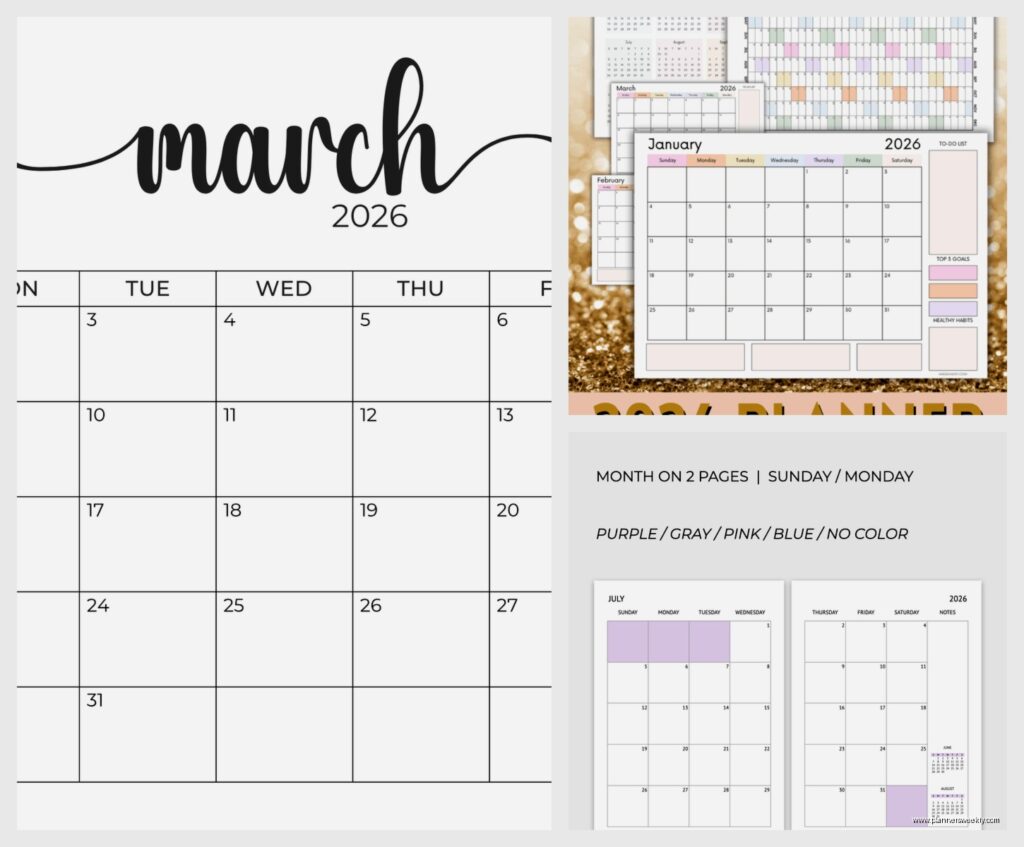
Mar
Okay so I’ve been testing these 2026-2028 planners for the past three weeks and honestly I didn’t even mean to fall down this rabbit hole but here we are at 11:47pm and I have like six of them spread across my desk and my cat keeps sitting on the Moleskine one.
Why You Actually Need a Multi-Year Planner (Or Think You Do)
So the thing about these three-year planners is they’re weirdly specific and most people buy them thinking they’ll suddenly become someone who plans three years ahead but then just use the first year and forget about it. I’m guilty of this. I found a 2019-2021 planner in my drawer last month that I’d used for exactly four months of 2019.
BUT there are actual legitimate reasons to get one and I’m gonna be honest about when they work and when they’re just pretty desk clutter:
- You’re in grad school or a long certification program that spans multiple years
- You’re planning a wedding or massive event that has a super long timeline
- You manage projects that actually do span years (not just like… vague life goals)
- You’re tracking something medical or health-related with long-term patterns
- You work in academic settings where you need to see multiple academic years at once
- You’re weirdly into planning and will actually use it because it brings you joy
If none of those apply to you just get a regular annual planner and save yourself thirty bucks.
The Formats That Actually Exist For 2026-2028
Here’s where it gets annoying because unlike regular planners there aren’t a million options. The multi-year market is way smaller so you’ve got maybe like… fifteen decent choices? And half of them are basically the same.
Monthly Spreads Only
Most 2026-2028 planners are monthly view only which makes sense because fitting three years of weekly or daily pages would create a book the size of a dictionary. The monthly ones I’ve tested have either:
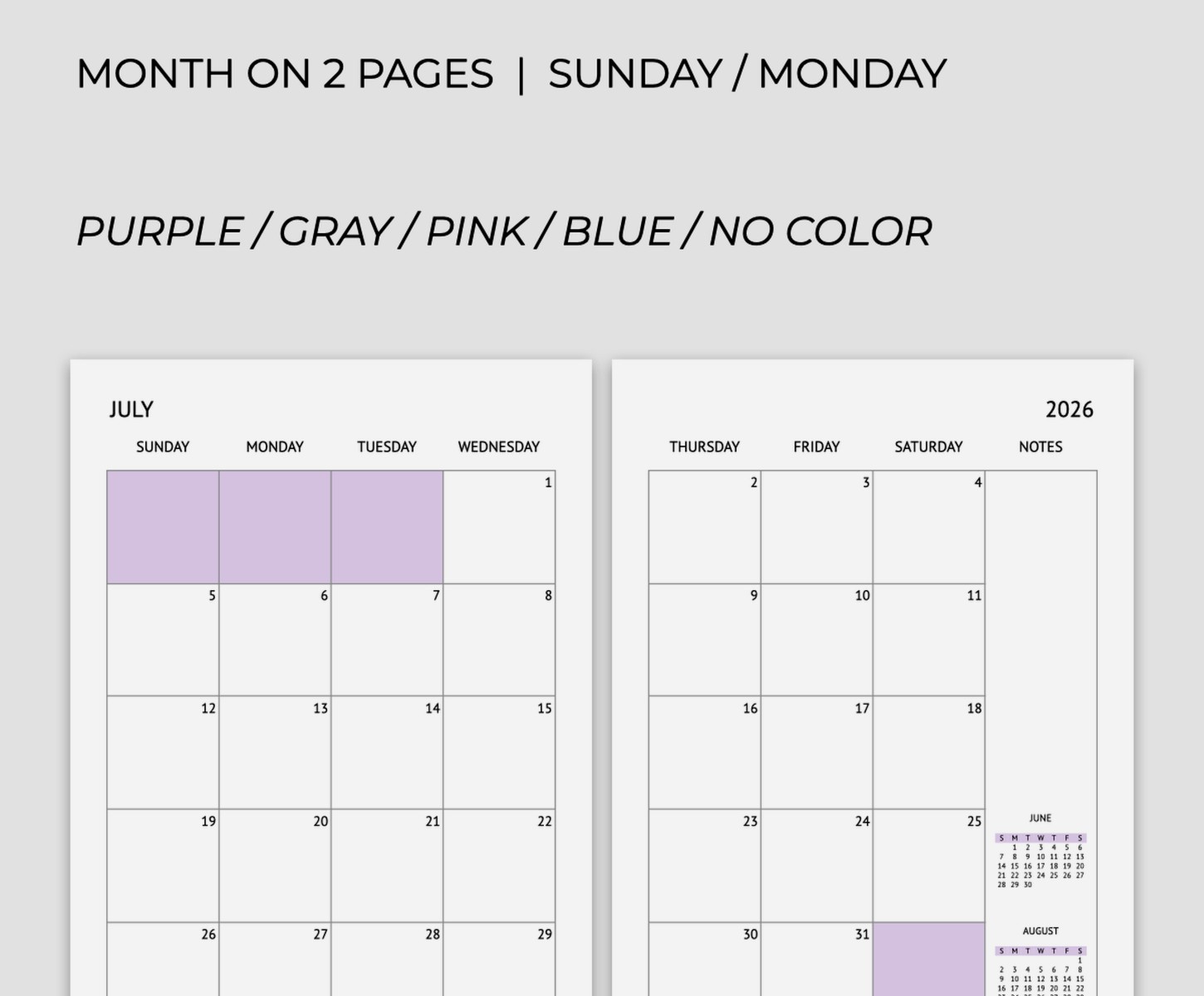
- Two-page monthly spreads (one month across two pages)
- Single page months (more compact, way more cramped)
- Quarterly views with monthly detail pages
I tested the At-A-Glance 2026-2028 which does the two-page spread thing and honestly it’s fine? Like it’s not exciting but it works. Each month gets a full two-page calendar view with decent sized boxes. Not huge but I can fit about 4-5 things per day if my handwriting isn’t terrible.
The single-page versions are from brands like House of Doolittle and they’re trying to fit an entire month on one page which… look it’s doable if you write small or use abbreviations but I found myself getting annoyed by January and we all know January optimism is the highest it’ll ever be.
The Quarterly Overview Situation
Oh and another thing – some of them do this thing where they show you three months at a glance on one spread and then have individual month pages after. Blue Sky does this and I actually spilled coffee on mine last week which let me test the paper quality accidentally (it bled through two pages so… not great for coffee spillers).
The quarterly view is actually super helpful if you’re doing academic planning or project management because you can see how things flow across a longer period. I use mine to map out client intensive programs that run 12-16 weeks and being able to see that whole arc without flipping pages is chef’s kiss.
Paper Quality Because This Actually Matters
This is gonna sound weird but I’ve become that person who touches planner paper in stores like some kind of paper weirdo. My friend caught me doing it at Target and was like “are you okay” and honestly no I’m not but also paper quality will make or break your experience with a three-year planner.
Think about it – you’re gonna be flipping through this thing for THREE YEARS. Thin paper gets gross and crinkly. It starts looking shabby by month six and by 2027 you’re embarrassed to take it to meetings.
What I’ve Actually Tested
The Mead 2026-2028 Academic Planner has this weirdly thick paper that almost feels like cardstock? It’s 20lb paper which is heavier than most. I’ve been using it since I got it in early December and there’s zero ghosting even with my Pilot G2 pens which normally bleed through everything. The pages still look crisp.
The cheap Amazon basics one I ordered (it was like twelve bucks) has paper so thin you can basically read through to the next page. Not even ghosting, just straight up transparency. It’s fine if you’re only using pencil or maybe those ultra-fine Muji pens but anything else and you’re gonna have a bad time.
Wait I forgot to mention – if you use highlighters GET THE THICK PAPER ONES. I ruined a whole month in my Blue Sky planner with Sharpie highlighters because the paper couldn’t handle it. The Mildliners worked better but still showed through. The only planner that handled highlighters without complaining was the Planner Plus Academic 2026-2028 which has 100gsm paper (that’s like… fancy European paper measurements but it basically means thick).
Size Matters And You’re Probably Choosing Wrong
Okay so this is where everyone messes up including me the first seventeen times I bought planners. You see a cute compact planner and think “oh perfect I’ll carry this everywhere” but then you never carry it everywhere because you’re not actually that person and also you can’t fit any real information in those tiny boxes.
The standard sizes for 2026-2028 planners:
- 5×8 inches (compact, fits in most bags, boxes are TINY)
- 8.5×11 inches (full letter size, way too big to carry, great for desks)
- 7×9 or 8×10 (the goldilocks zone maybe?)
The Compact Ones
I got the Moleskine 2026-2028 in the pocket size which is roughly 3.5×5.5 inches and like… what am I supposed to write in these boxes? The date barely fits. It’s beautiful though. It sits on my desk looking gorgeous and judging me. My cat sits on it constantly which should tell you how often I actually open it.

The 5×8 size is more realistic. The Lemome 2026-2028 planner is this size and I can actually write real words in it. Each daily box fits maybe 2-3 tasks if I’m being reasonable about it. I keep this one in my work bag and use it for tracking client sessions and deadlines that I need to reference when I’m out.
The Desk Ones
My main planner is the AT-A-GLANCE 2026-2028 in the 8.5×11 size and it lives on my desk forever. I never move it. It weighs like two pounds and has 100+ pages. But the boxes are actually usable – I can fit 5-6 items per day comfortably and my handwriting is not small.
There’s something about having enough space to actually write that makes you use the planner more? When boxes are cramped I just… stop writing in them because it feels like a chore. With the big desk planner I actually enjoy filling it in which sounds ridiculous but it’s true.
The Binding Thing That Nobody Talks About
Oh man okay so this is gonna sound super specific but the binding matters SO MUCH with multi-year planners and everyone ignores it until month eight when their planner falls apart.
You’ve got three main binding types:
- Spiral/coil binding
- Perfect binding (glued spine like a paperback book)
- Stitched/sewn binding
The spiral ones are great because they lay flat which is *chef’s kiss* for actually writing in them. The Blue Sky 2026-2028 has twin wire binding and it lays completely flat, you can fold it back on itself. Super satisfying. BUT the wire snags on everything in your bag and by year two some of the pages are trying to escape.
Perfect bound planners look sleeker and more professional but they don’t lay flat unless you crack the spine which feels violent? And also reduces the lifespan? I have the Rifle Paper Co 2026-2028 which is perfect bound and it’s absolutely beautiful but I have to hold it open with one hand while writing which is annoying when I’m on calls.
Sewn binding is the fancy option – stuff like Leuchtturm does this – and it’s durable as hell plus lays reasonably flat. The pages aren’t gonna fall out even after three years of use. But you’re paying for this quality, these planners usually start at like forty bucks minimum.
The Features That Sound Good But Actually Aren’t
Marketing copy for planners is SO ANNOYING because they list all these features that sound useful but then you never use them. Let me save you some time:
Stickers
Half these planners come with sticker sheets. I have never used planner stickers consistently beyond week three. They’re either ugly and you don’t want to use them or they’re cute and you’re “saving them for something special” and then never use them. The Planner Plus one came with like six sheets of stickers that are still in the envelope.
Pocket Folders
Every planner advertises their pocket folder in the back. You will put exactly three business cards and one random receipt in there and then forget about it for eighteen months. When you finally check it the receipt is for something you definitely needed to expense six months ago.
Yearly Goals Pages
Oh these are hilarious. Most 2026-2028 planners have like 4-6 pages at the front for “Three Year Goals” and “Vision Planning” and stuff. I filled mine out enthusiastically on January 2nd and haven’t looked at them since. My client actually uses hers though so your mileage may vary but most people I know just skip these pages entirely.
The Features That Actually Matter
Okay but here’s what DOES matter:
- A notes section – I use this constantly, the AT-A-GLANCE has like 20 lined pages in back
- Corner perforation or tabs for quick access to current month
- Previous and next month mini calendars on each spread (for context)
- Actual federal holidays marked (shocking how many skip this)
- Decent margins so your writing doesn’t go right to the edge
The Mead one has elastic band closure which sounds stupid but actually keeps the planner closed in your bag so pages don’t get crumpled. After three weeks of testing I appreciate this more than I expected to.
Academic Year vs Calendar Year
Wait I should’ve mentioned this earlier but whatever – you gotta decide if you want academic year (starting July or August 2026) or calendar year (starting January 2026).
If you’re in education or have kids in school GET THE ACADEMIC ONE. I cannot stress this enough. Trying to plan a school year across two different calendar year planners is a nightmare. Just embrace the July-June format.
The best academic 2026-2028 planners I’ve found:
- Blue Sky Academic Year Planner (July 2026 – June 2029, actually goes into 2029 for coverage)
- Mead Academic Monthly Planner
- Planner Plus Academic
These usually start hitting stores in like April or May for the following academic year which is earlier than you’d think.
Calendar year ones are easier to find and there are more options. Most corporate/business planners use calendar years because that’s how fiscal years work for most companies (though not all, finance people don’t come for me).
The Price Thing
Multi-year planners range from like $12 to $60 which is a huge spread and honestly the correlation between price and quality is… not consistent.
The Amazon Basics 2026-2028 is literally twelve dollars and it’s fine if you just need something functional and don’t care about aesthetics or paper quality. It’ll do the job. The binding might not last three full years but it’ll probably make it through two.
Mid-range ($20-30) is where most of the good options live. AT-A-GLANCE, Mead, Blue Sky, House of Doolittle – they’re all in this range and they’re solid. Good paper, decent binding, will last the full three years if you don’t abuse them.
The expensive ones ($40-60) are brands like Moleskine, Leuchtturm, Rifle Paper Co. You’re paying for premium paper, better binding, and aesthetics. They’re beautiful objects. Whether that’s worth it depends on if you’re the kind of person who gets joy from beautiful stationery or if you’re just gonna spill coffee on it anyway like I did.
This is gonna sound weird but I actually think the sweet spot is around $25. That’s enough to get quality that’ll last but not so much that you’re scared to actually use the planner.
