
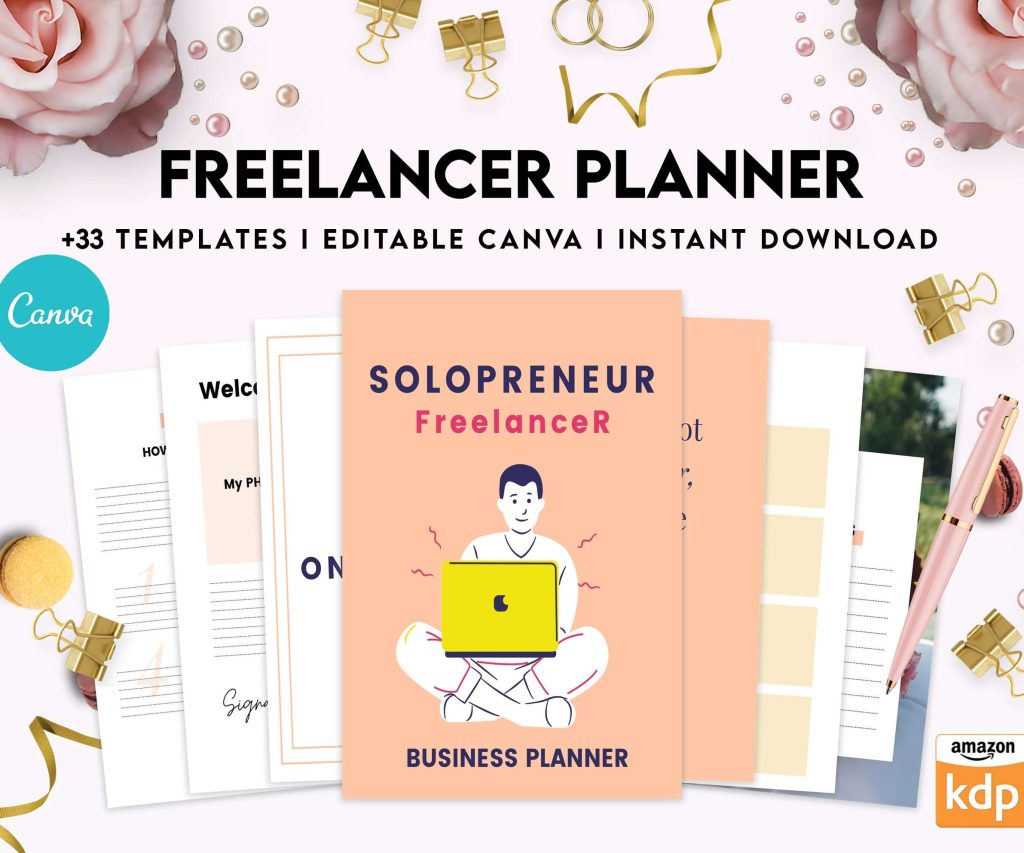
 Planning Work from Home, Solopreneur Freelancer Planner, Client Management , Work from Home, Small Business, Canva Editable Templates
 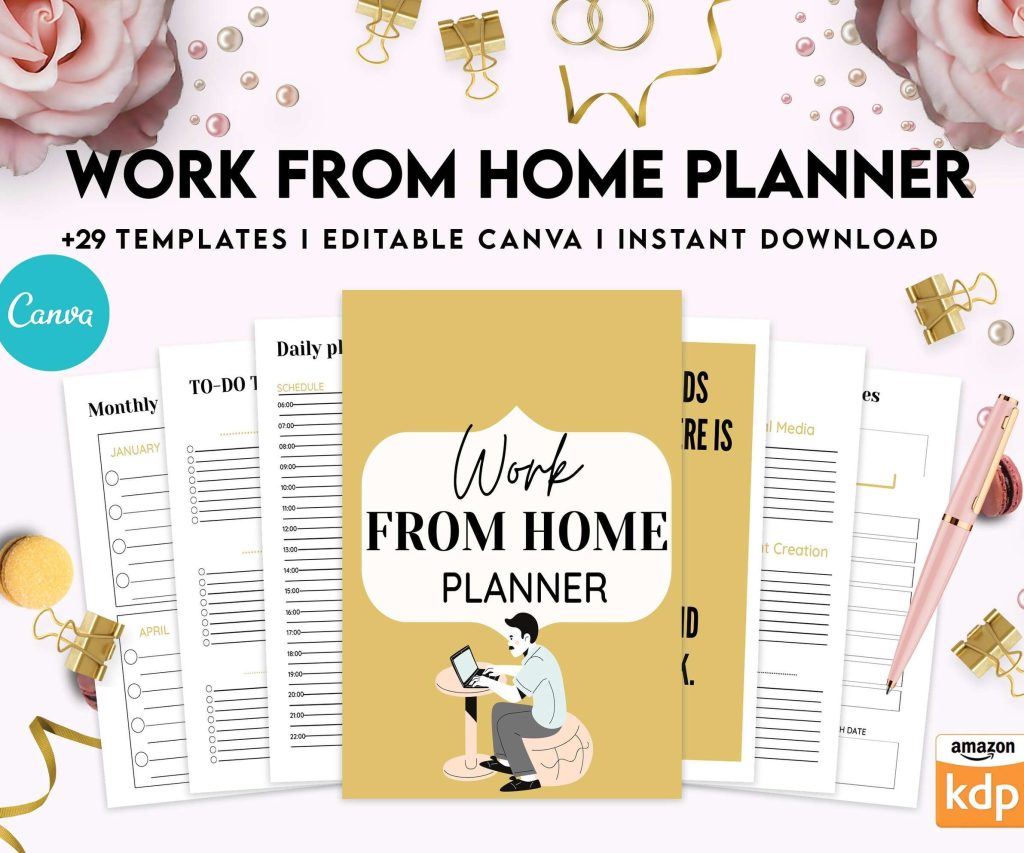 Work from Home Planner, Productivity Working from Home, Freelancer Solopreneur Business Planner, Canva Editable Templates
 Digital Productivity, Online planners, Planners, Planners Design
2026 Weekly Planner Buyer’s Guide: Top Picks & Reviews

Feb
Okay so I just spent the last three weeks testing literally every 2026 weekly planner I could get my hands on and here’s what actually matters when you’re trying to pick one.
The Paper Quality Thing Everyone Gets Wrong
Look, I’m gonna start with paper because I spilled my entire morning coffee on the Passion Planner last Tuesday and it actually held up? Like the pages got wet obviously but nothing bled through and it dried flat. Meanwhile the cheaper Amazon basics one I tested turned into this wrinkly mess when I accidentally left it near my humidifier. You want at least 80gsm paper, but honestly 100gsm is where it’s at if you use any kind of wet pens or markers.
The Moleskine weekly planners are still using that 70gsm paper which is just ridiculous at their price point. My fountain pen went straight through to the next page. Pass.
Layout Styles That Actually Work
So there are basically three types of weekly layouts and I have opinions.
Horizontal Layouts
This is where Monday through Sunday runs across two pages horizontally. The Leuchtturm1917 does this really well for 2026, and I’ve been using mine since I got the advance copy in November. Each day gets a decent chunk of space, maybe like 2 inches by 4 inches? You can fit your top three tasks plus some notes. What I like is you can see your whole week at a glance without turning your head sideways like some kinda confused owl.
Oh and another thing about the Leuchtturm – they finally added page numbers to the weekly pages which seems obvious but so many planners just… don’t? My dog ate a corner of one page and I could actually reference which week it was in my notes app.
Vertical Layouts
These run top to bottom with columns for each day. The Hobonichi Cousin uses this format and honestly it’s my favorite for time-blocking. You get this long narrow space for each day that naturally works if you’re scheduling hourly or breaking things into morning, afternoon, evening chunks. But here’s the thing – if you write big or need lots of space for notes, you’re gonna feel cramped.
I tested the Hobonichi while binge-watching The Bear season 3 and kept wanting more room for my meal planning notes. The planner is gorgeous but the weekly sections are tight.
Boxed/Grid Layouts
Blue Sky does this thing where each day is literally just a box, same size, arranged in a grid. Seven boxes, one week. It’s very democratic I guess? Every day gets equal space whether it’s a busy Tuesday or a nothing Sunday. Some people love this. I find it weirdly stressful because my Wednesdays are always packed and I need more room for those.

Size Actually Matters More Than You Think
I’ve been carrying around different sizes for the past month and my shoulder hurts from the big ones honestly.
A5 size (5.8 x 8.3 inches) is the sweet spot for most people. It fits in a normal bag, gives you enough writing space, doesn’t weigh a million pounds. The Ink+Volt 2026 planner comes in A5 and I’ve been tossing it in my tote bag every morning with no issues. Plus it lies flat when you open it which seems basic but YOU’D BE SURPRISED.
Personal size planners (3.5 x 6.7 inches) are cute but unless you write tiny or don’t have much to plan, they’re frustrating. I tried using the personal size Filofax for a week and kept having to abbreviate everything weird and then couldn’t read my own handwriting later.
The big desk planners (8.5 x 11 inches) are great if they literally never leave your desk. I keep the At-A-Glance weekly desk planner at my home office and it’s perfect for that. But I tried bringing it to a coffee shop meeting once and felt like I was lugging around a textbook.
Binding Types Nobody Tells You About
This is gonna sound weird but the binding type has derailed my planning more than once.
Spiral binding is actually superior for planners that get heavy use. The Plum Paper customizable weekly planner has this sturdy spiral that lets you fold the whole thing back on itself. I can hold it in one hand while standing at my kitchen counter making my breakfast and writing down tasks. Try that with a hardbound planner.
Stitched binding (like the Leuchtturm and Moleskine) looks prettier on your desk but you kinda have to hold both sides down or it wants to close on you. My client canceled last week so I spent an hour comparing the binding styles and the stitched ones only really lay flat after you’ve broken them in for a few weeks.
Discbound systems like the Levenger Circa are cool if you like customizing and moving pages around, but the discs catch on stuff in your bag. I found mine open in my purse with pages everywhere after going through airport security. Not ideal.
What Actually Comes With These Planners
So the 2026 planners I’m seeing have wildly different add-ons and extras.
The Panda Planner has all these habit trackers and gratitude sections built into each week. If you’re into that stuff, great. If you’re not, it’s just wasted space you have to skip over. I used it for two weeks and kept forgetting to fill in the gratitude part and then feeling vaguely guilty about my planner judging me.
Wait I forgot to mention – some planners like the Erin Condren LifePlanner come with stickers. I know, I know, stickers seem very extra. But actually I use the little arrow stickers to mark tasks I’m moving to the next day and it’s faster than rewriting everything. Don’t knock it till you try it.
Monthly overview pages before each month are NON-NEGOTIABLE for me now. The really cheap planners sometimes skip these to save pages and then you can’t see your whole month without flipping through four weekly spreads. The Lemome 2026 planner has monthly overviews plus a yearly calendar at the front and it’s like $16. No excuse for pricier planners to skip this.

The Extras That Are Actually Useful
- Elastic closure band – keeps your planner shut in your bag and you can stick your pen in it
- Ribbon bookmarks – need at least one, preferably two (one for this week, one for the monthly view)
- Inner pockets – where else are you gonna put those random sticky notes and receipts
- Perforated pages – some planners have these for tear-out lists and honestly it’s handy
- Page finder ruler thing – the Passion Planner has this and I use it constantly
My Actual Top Picks for Different People
If You’re New to Planning
Get the Blue Sky 2026 weekly planner in whatever cover design doesn’t annoy you. It’s like $12, the layout is simple, there’s enough space but not so much that you feel pressured to fill everything. I recommend this to basically all my coaching clients who are starting out. Oh and another thing – if you mess up or decide you hate it, you’re only out twelve bucks.
If You’re a Recovering Bullet Journal Person
The Hobonichi Cousin or the Stalogy weekly planner. Both have that minimal Japanese stationery vibe but with the structure pre-made for you. The paper quality is chef’s kiss, they both handle any pen you throw at them. The Stalogy is cheaper and comes with way more pages for random notes which you’re gonna want because you’re used to having that freedom.
If You Actually Use Your Planner for Work
Leuchtturm1917 weekly planner hands down. It looks professional in meetings, the quality is consistent year after year so you know what you’re getting, and there’s enough structure without being cutesy. I bring mine to client meetings and nobody’s ever like “oh that’s an interesting choice” the way they definitely were when I brought my purple Erin Condren once.
If You Want Something Customizable
Plum Paper lets you customize basically everything for their 2026 planners and I just set up mine last week. You pick your cover, your layout, add or remove sections, choose your color scheme. It’s more expensive (around $30-40) but if you know what you need and the pre-made planners never quite work, this is it.
If You’re Cheap But Want Quality
Lemome or Artfan planners on Amazon. I know, Amazon basics can be sketchy, but these specific brands are shockingly good. The Lemome 2026 weekly is running about $15 right now and it has 100gsm paper, leather-ish cover, all the standard features. I’ve been stress-testing one for the past month and it’s holding up fine.
The Weird Specific Things I Noticed
Some 2026 planners start in December 2025 with a few weeks pre-loaded, some start exactly on January 1st 2026. If you’re buying this in late 2025 to start immediately, check which one you’re getting. I ordered a Passion Planner thinking I could start using it in December and it just… didn’t have those weeks. Had to use a random notebook for three weeks.
Okay so funny story – the Clever Fox planner has this weird thing where the weekly view includes the previous week in miniature at the top? I thought it was useless until I actually started using it and realized I reference the previous week ALL THE TIME. Like “wait what day did I meet with Sarah last week” and boom, it’s right there. Small thing that turned out to be super useful.
Paper color matters if you’re using it at night or have any vision stuff going on. Bright white paper is harsh under lamps. The cream or off-white pages in the Moleskine and Leuchtturm are easier on your eyes. I’ve been doing my weekly review at like 10pm most nights and the cream paper is noticeably better.
The wire spiral on some planners catches on sweaters. Learned this when my favorite cardigan got snagged on my Blue Sky planner. The plastic spiral on Plum Paper doesn’t do this. Just something to think about if you wear a lot of knits.
What’s Different About 2026 Planners Specifically
So 2026 starts on a Thursday which is kind of annoying because some planners that do week-per-page spreads have this weird first week that’s only Thursday and Friday. The Leuchtturm handled this by including the last few days of December 2025 to round out that week which makes way more sense.
A bunch of planner companies added more mental health and wellness stuff to their 2026 editions. The Panda Planner has even more reflection prompts, Passion Planner added some mindfulness pages. If that’s your thing, cool. If not, it’s just pages to skip.
I’m seeing more planners with QR codes linking to digital companions or planning communities? The Silk + Sonder 2026 planner has this whole app component now. I haven’t really used it because I bought a paper planner specifically to get away from screens, but maybe that’s useful for someone.
The Real Decision Point
Here’s what it actually comes down to – do you need time slots or just open space for each day? That’s the question that matters most.
If you’re scheduling appointments and meetings and need to see WHERE in your day things are happening, you want hourly or at minimum morning/afternoon/evening divisions. The Hobonichi, Passion Planner, and At-A-Glance weekly planners all have these.
If you’re more task-based and just need to see what has to get done this week without caring exactly when, the open space format of Leuchtturm, Blue Sky, or Erin Condren works better. You can list your tasks, add notes, brain dump whatever without feeling constrained by time blocks you’re probably not gonna follow anyway.
I use time-blocked for my work planner because I literally schedule client calls. But my personal life planner is open format because I don’t need to know that grocery shopping is happening at exactly 3pm, it’s just gotta happen Saturday.
Oh and pages for notes in the back – make sure there’s at least 10-20 blank pages. You’re gonna need them for random lists and brain dumps and that grocery list you don’t wanna put in the weekly spread. Some planners cheap out and give you like 3 note pages which is insulting honestly.
