Digital Productivity, Online planners, Planners
Personal Planner Guide: Customize Your Perfect System
Mar
Okay so I literally just reorganized my entire planner system last week and I’m still finding sticky notes in weird places, but here’s what actually works after testing like twenty different setups with my clients.
The Core System Nobody Tells You About
Right so most people think you just buy a planner and start writing stuff down but that’s how you end up with seventeen half-used planners under your bed. I know because I currently have fourteen under mine and my dog keeps dragging them out during Zoom calls.
The actual first step is figuring out what you’re planning FOR. Like I had this client who bought a Passion Planner because Instagram told her to and she’s a software engineer who just needs to track sprint deadlines. She never used it because all those reflection prompts stressed her out. Meanwhile I’m over here living for that stuff but I would die trying to use her color-coded spreadsheet system.
Start With Your Actual Brain
You gotta figure out if you’re a visual person or a list person or a time-blocker or whatever. I made myself use a bullet journal for three months even though I hated it because everyone said it was the best system. Spoiler alert: it wasn’t the best for ME. I need structure already printed on the page or I just draw cats in the margins instead of planning.
Here’s what I tell people to do first:
- Track how you currently remember things for like three days without changing anything
- Notice if you forget stuff that’s not written down or if you forget to CHECK what’s written down
- See if you naturally think in time blocks or task lists
- Figure out if you need to see your whole week at once or if that makes you panic
I realized I’m a weekly visual person who panics at monthly spreads. Took me six years to figure that out.
Picking Your Base Planner
So once you know your brain type, then you can actually pick something that’ll work. I’m gonna break this down by what actually matters, not by brand, because honestly the brand matters way less than people think.
The Size Thing Everyone Gets Wrong
Look, A5 is gorgeous. It’s aesthetic. It looks amazing in photos. But if you actually carry a bag smaller than a tote, it’s gonna live on your desk and you’ll forget to check it. I switched to personal size rings last March and actually started using my planner daily because it fits in my crossbody bag.
Letter size is for people who work at a desk all day and have beautiful handwriting. I spilled coffee on my Blue Sky letter-size planner which actually tested the paper quality accidentally – it held up great but the whole thing was too big to move out of the way fast enough. That’s when I knew.
Pocket size is cute but unless you have tiny handwriting or only track like three things, you’re gonna get frustrated. I tried it for two weeks and my notes looked like ransom letters.
Binding Matters More Than You Think
Spiral bound is great until you’re trying to write on the left page and the spiral is digging into your hand. But it lays flat which is chef’s kiss for desk work.
Disc bound is my personal favorite because you can rearrange stuff and add pages wherever. I use the Levenger Circa system and yeah it’s expensive but I’ve been using the same discs for three years. You can also use the cheap Arc from Staples, same thing basically. The Tul system from Office Depot is slightly different spacing so don’t mix them, learned that the hard way.
Ring binders are classic for a reason but the rings are bulky. Good if you like to add a ton of stuff. Bad if you want something sleek.
Bound is the cheapest and most portable but you’re stuck with the layout forever. This works if you know exactly what you need. It’s a disaster if you’re still experimenting.
Layout Options That Actually Matter
Okay so this is where people get overwhelmed because there’s like infinite options.
Daily Layouts
I use daily pages for deep work days when I’m doing client sessions back to back. Each day gets a full page with time blocking from 6am to 9pm. It sounds excessive but on Tuesdays and Thursdays when I have four coaching calls, I need that space to prep notes and track follow-ups.
The downside is daily planners are THICK. My 2024 daily planner is like 400 pages. It lives on my desk. I tried to take it to a coffee shop once and the barista laughed at me.
Daily works if you have:
- A lot of appointments with different people
- Complex projects that need daily breakdown
- A dedicated workspace where it can live
- The discipline to not feel guilty about blank pages on slow days
That last one is real. I have clients who can’t use daily planners because empty pages make them feel unproductive even on intentional rest days.
Weekly Layouts
This is my default. I can see Monday through Sunday at a glance without flipping pages. My brain works in weeks naturally. Like I think “next week I need to do X” not “on Tuesday the 14th I need to do X.”
There’s different weekly styles though:
Horizontal: Days go across the top, time goes down. Good for time blocking. I used this for two years. It’s solid but you don’t get much space per day unless you have a big planner.
Vertical: Days go down the page in columns. This is what I use now. Each day gets a column with hourly lines and I can see the whole week across two pages. The Hobonichi Cousin uses this layout and it’s chefs kiss but the paper is thin. I had to stop using gel pens because of ghosting.
Boxed: Each day gets a box, no time blocking. This is for task-based people not schedule-based people. My friend who’s a freelance designer uses this because she doesn’t have set appointments, just project deadlines.
Monthly Layouts
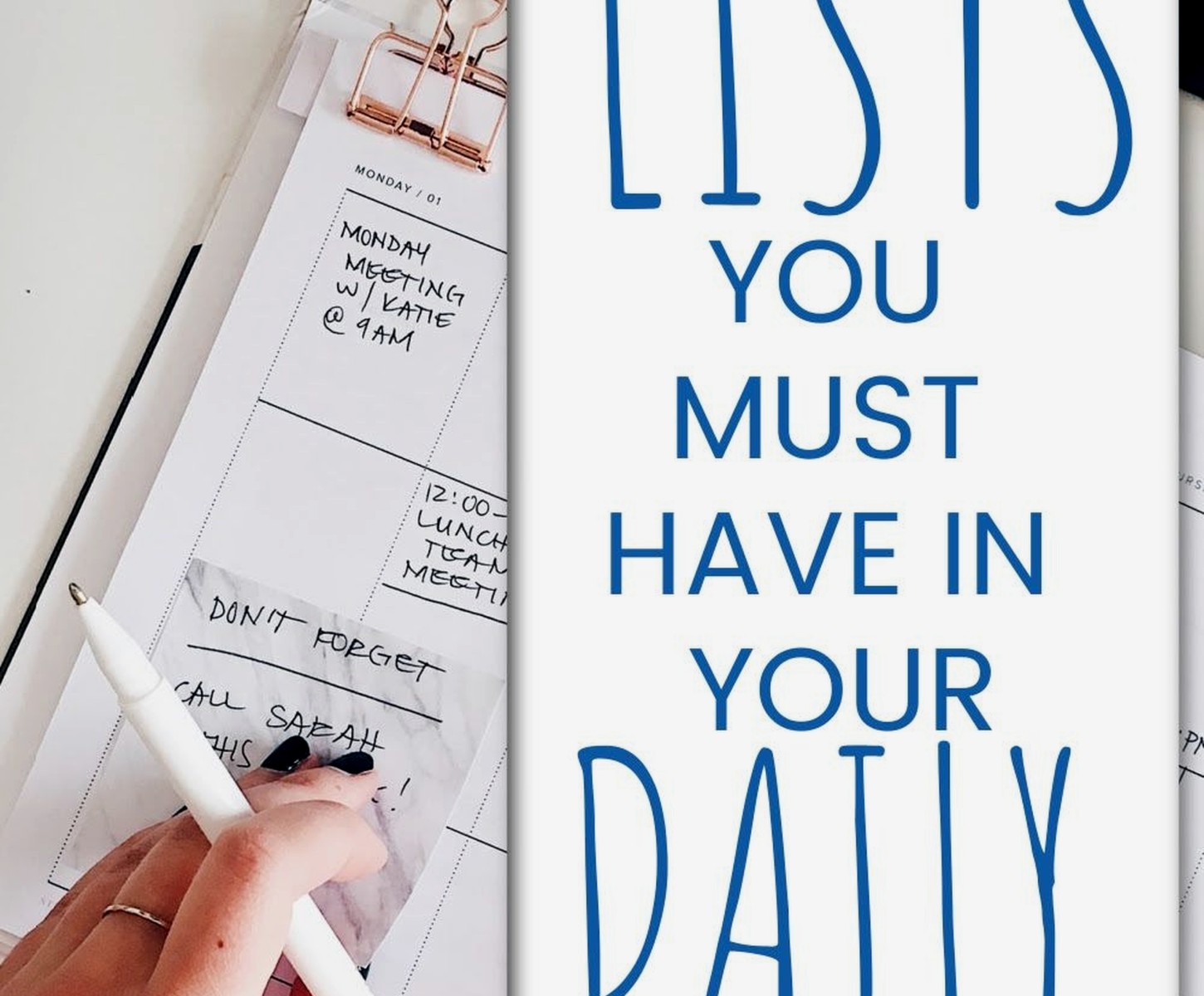
Everyone needs a monthly view somewhere in their system. Even if you plan in days or weeks, you need to see the big picture. I keep a monthly calendar at the front of my planner and I fill it in with:
- Immovable appointments in red
- Deadlines in orange
- Social stuff in blue
- Content deadlines in green because that’s my blog color
Wait I forgot to mention – do not try to put everything on a monthly calendar. I see people trying to cram entire to-do lists into those tiny squares and then they can’t read anything. Monthly is for WHAT and WHEN, not for HOW or detailed notes.
The Add-On Systems That Make It Actually Work
Okay so here’s the thing nobody tells you. The planner itself is like thirty percent of the system. The rest is all the stuff you add to make it functional for your specific life.
The Brain Dump System
You need somewhere to capture random thoughts that don’t have a date yet. I keep blank lined pages in the back of my planner with tabs labeled “content ideas,” “blog post drafts,” “client notes,” and “stuff to buy eventually.”
This is gonna sound weird but I also keep a “thoughts that woke me up at 3am” page because my brain loves to panic about things that don’t matter in the middle of the night. Writing them down lets me go back to sleep. In the morning they’re always stupid things like “did I email Sarah back” (yes) or “what if I run out of paper towels” (there’s a whole pack in the closet).
Task Management vs Calendar Management
These are different things and mixing them up is why planners fail. Your calendar is for time-specific stuff. Your task list is for things that need to happen eventually.
I keep my calendar in my planner. My task management lives in a separate section using a modified GTD system. Every Sunday I do a weekly review where I look at my task lists and assign specific tasks to specific days based on my calendar availability.
This took me forever to figure out. I used to write tasks directly onto calendar days and then when I didn’t finish them I had to rewrite them the next day, and the next day, and eventually I just felt like a failure. Now tasks live in their own section until they’re ready to be scheduled.
The Tracking Pages You Might Actually Use
Everyone gets excited about habit trackers and then abandons them by January 15th. I’ve done this approximately ten thousand times.
The trackers that actually stick are ones that:
- Track something you’re already doing and want to see patterns in
- Take less than 30 seconds to update
- Give you useful information
I track my coaching calls with a simple tally system because I need to know how many I’m doing per week for scheduling. I track my energy levels with a 1-5 scale because that helps me plan when to schedule intensive work. I tracked my water intake for exactly four days before I abandoned it because I literally do not care.
My client who has chronic pain tracks her pain levels and activities so she can find patterns. My friend who’s training for a marathon tracks his runs. My sister tracks absolutely nothing and just uses her planner for appointments and that’s fine too.
Customizing Pre-Made Planners
Okay so funny story – I bought a really expensive custom planner system last year where you pick every single page layout and I used it for two months before I realized I had designed it wrong for my actual needs. Turns out having infinite choices isn’t always better.
Most people are better off starting with a pre-made planner and customizing it. Here’s what I add to basically every planner:
Sticky Notes Are Your Friend
I keep small sticky note pads in my planner for temporary stuff. Like if I’m waiting on someone to email me back, I put a sticky note on that day’s page with “follow up with Mark.” When he emails, I toss the sticky. It doesn’t clutter my permanent planner pages.
The thin Post-It flags are great for marking important pages you need to reference a lot. I flag my current week, my monthly view, and my project planning pages.
Extra Pages In Disc-Bound Systems
This is why I love disc-bound. I buy blank paper pre-punched and add pages wherever I need them. Client meeting? Add a page right in that day. Big project? Add a section between weeks. Works perfectly.
You can buy pre-punched paper from like twenty different companies but honestly I just bought a disc punch and make my own now. The Levenger punch was expensive but I’ve punched probably two thousand pages with it. Worth it.
Dashboards and Pockets
I keep a plastic dashboard (it’s just a decorated divider) at my current week with pockets that hold:
- Business cards I collect
- Receipts I need to track
- That appointment card from the dentist
- Concert tickets because I’m old-fashioned
This keeps me from having loose paper floating around in my bag. I used to just shove everything in the back of my planner and then important stuff would fall out. Not ideal when you lose a check you need to deposit.
Digital Hybrid Systems
Look, I’m a paper planner person obviously but even I use digital for some things. Trying to be 100% paper in 2024 is just making things harder for no reason.
Here’s what I keep digital:
Shared calendars with my husband because he’s not gonna check my paper planner. We use Google Calendar for family stuff, appointments, and social plans. Every Sunday I transfer the week’s shared events to my paper planner.
My blog editorial calendar is in Notion because I need to collaborate with my VA and she needs to access it from anywhere. I keep a simplified version in my planner.
Work projects with my clients stay in whatever system they use – Asana, Trello, Monday, whatever. I don’t try to replicate everything in my planner. I just note “check Asana for client X project” on relevant days.
Oh and another thing – I take photos of important planner pages with my phone. Like if I’m going somewhere and need my packing list, I just pull up the photo instead of carrying my whole planner. My phone’s camera roll is like forty percent planner photos. Whatever, it works.
Seasonal System Adjustments
Your planner needs change throughout the year and nobody talks about this. My system in January when I’m doing a lot of strategy work looks different from my system in July when half my clients are on vacation.
Busy Season Adaptations
October through December is wild for me. Client load increases, holiday stuff happens, content deadlines pile up. During this time I:
- Switch to daily pages even though I prefer weekly
- Add a running “next week prep” list so nothing falls through cracks
- Use more color coding because my brain needs the visual shortcuts
- Keep a separate notebook for meeting notes instead of cramming them in planner pages
I used to feel like I was failing at planning when I needed to adjust my system. Now I realize that adapting to your current life is literally the point.
