Digital Productivity, Online planners, Planners
Social Media Planner Templates: Complete Content Planning Guide
Mar
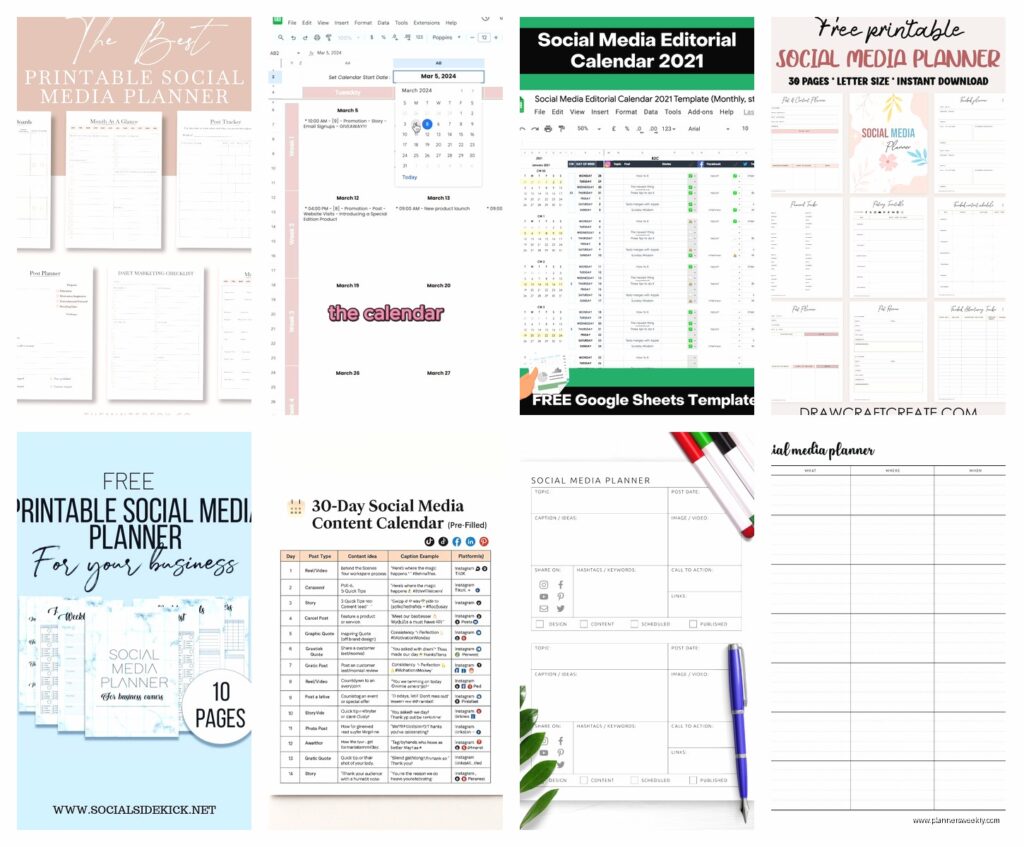
Okay so I just spent the last three weeks testing literally every social media planner template I could get my hands on and here’s what actually works versus what just looks pretty on Pinterest.
The Ones I Actually Use Every Week
The Notion template from TheBrainStormer or whatever they’re called, I grabbed it for like $12 and honestly it’s the only digital one that doesn’t make me want to throw my laptop. It’s got this content calendar view that actually syncs with a database of post ideas and you can tag stuff by platform, content pillar, all that. I was watching The Bear while setting it up and somehow managed to configure the whole thing during one episode which tells you how intuitive it is.
But here’s the thing about digital templates that nobody tells you – they only work if you’re already the kind of person who lives in Notion or Google Sheets. My client Sarah bought the same template, used it twice, went back to paper. Not because it’s bad but because she’s not gonna open her laptop to jot down a random Instagram idea at 6am.
Paper Templates That Don’t Suck
The Clever Fox content planner surprised me? I initially got it because the cover was nice and I’m shallow like that, but the layout is actually thought through. Each week gets a two-page spread with daily post planning, a notes section that’s actually big enough to use, and these little boxes for tracking engagement. The paper is 120gsm which held up when I spilled coffee on it (didn’t bleed through to the next page, very important for my clumsy ass).
Legend Planner has one that’s spiral bound which seems like a small thing but oh my god the difference when you’re trying to write in it at a coffee shop or whatever. Lies flat, you can flip it back on itself. The template itself is pretty basic – weekly grid, monthly overview, some goal-setting pages in the front that I mostly ignore.
What Template Structure Actually Matters
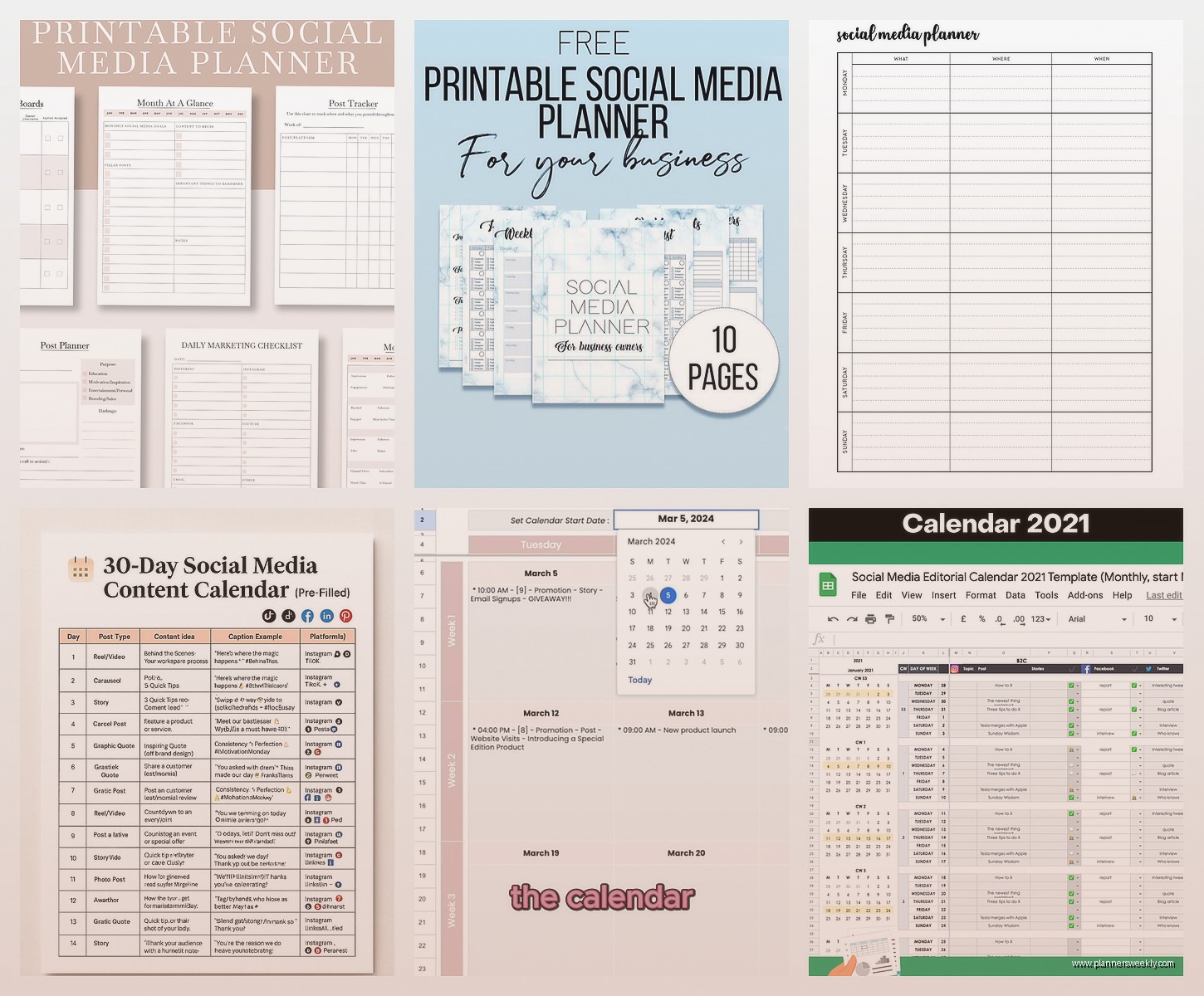
Everyone’s gonna tell you that you need a monthly overview, weekly breakdown, daily schedule blah blah. That’s technically true but also here’s what I learned after testing like fifteen of these things:
You need space to batch content ideas separate from scheduled posts. Most templates just give you a calendar grid and expect you to figure it out. The good ones have a “content bank” or “idea parking lot” section where you dump thoughts before they’re assigned to specific dates. The Asana template (free btw) does this really well with their “ideas” board versus “scheduled” board setup.
Monthly Overview Page
This is where you want to see the whole month at a glance with enough space to write actual post topics, not just “Instagram post” fourteen times. The Passion Planner social media insert has tiny boxes that fit maybe three words. Useless. You end up creating your own code system like “IG-prod” for product posts and then forgetting what your codes mean.
Best monthly layout I found was actually in a PDF template from Etsy, seller name was something like PlanningWithPurpose or maybe PrettyProductivity, I don’t remember. But each day had a rectangular box about 1.5 inches that fit a sentence. You could write “carousel about sustainability tips – draft Tuesday” and actually read it later.
Weekly Planning Sections
This is gonna sound weird but the weekly section matters more than monthly for most people. You’re not really planning Instagram posts eight weeks out unless you’re a huge brand with a content team. You’re planning like… next week, maybe the week after if you’re on top of it.
Good weekly templates break down by platform. Monday has separate rows or boxes for Instagram, Facebook, TikTok, LinkedIn, whatever you use. The template should also have:
- Time slot suggestions (because posting at 2pm vs 7pm actually matters)
- Content type indicators (video, carousel, single image, story)
- Caption draft space or at least a spot to note caption themes
- Hashtag planning area that isn’t an afterthought
The GoGirl planner has all this and color-codes by platform which should be annoying but actually helps when you’re flipping through pages looking for that one TikTok idea you had.
Digital Templates Deep Dive Because I’m Apparently Living In Them Now
Wait I forgot to mention, if you’re going digital, you need to decide your ecosystem first. Are you a Google person, Microsoft person, Notion person, or Trello/Asana person? Don’t try to force yourself into a system you hate.
Google Sheets Templates
I tested four different ones. The one from Hootsuite is free and actually decent for beginners. It’s basically a spreadsheet calendar with columns for date, platform, post type, caption, image description, link, and status. Super boring, super functional. You can filter by platform or content category if you set it up right.
The problem with Google Sheets is it feels like homework? Like every time I open it I’m back in my corporate job doing expense reports. But my friend James loves it because he’s a data nerd and adds his own columns for tracking reach, engagement rate, conversion stuff.
Notion Templates
Okay so besides the one I mentioned earlier, there’s this template called Ultimate Social Media Hub or something equally dramatic. It’s $28 which felt like a lot but it includes:
- Content calendar with multiple view options (monthly, weekly, by platform)
- Caption templates library
- Hashtag research database
- Analytics tracking pages
- Content pillar planning section
- Competitor tracking boards
It’s almost too much? Like I spent an hour just exploring all the features. My dog was literally pawing at me to go for a walk and I was like “hold on I need to understand this database relation.” But once you delete the sections you don’t need, it’s solid.
The free Notion templates are hit or miss. There’s one called “Social Media Manager” that’s super popular but the calendar view is clunky and doesn’t show enough information at a glance. You’re constantly clicking into posts to see what they are.
Trello and Asana Setups
Trello’s visual board thing works really well for content planning if you’re a visual person. I set up boards for each platform, then cards for each post that move through stages like “idea,” “in progress,” “scheduled,” “posted.” You can attach images right to the cards, write captions in the description, set due dates.
There’s a free template called “Social Media Calendar” in Trello’s template gallery. It’s basic but you can customize it pretty easily. I added labels for content types and used the calendar power-up to see everything in calendar view.
Asana works similarly but feels more task-management-y. Good if you’re planning content as part of bigger marketing projects. The free version limits some features but honestly the basic boards are enough for most small businesses or personal brands.
What About Those Printable PDF Templates
Oh and another thing, the PDF templates you print yourself from Etsy or Creative Market or whatever. I bought like ten of them thinking I’d find the perfect one. Here’s the deal with those:
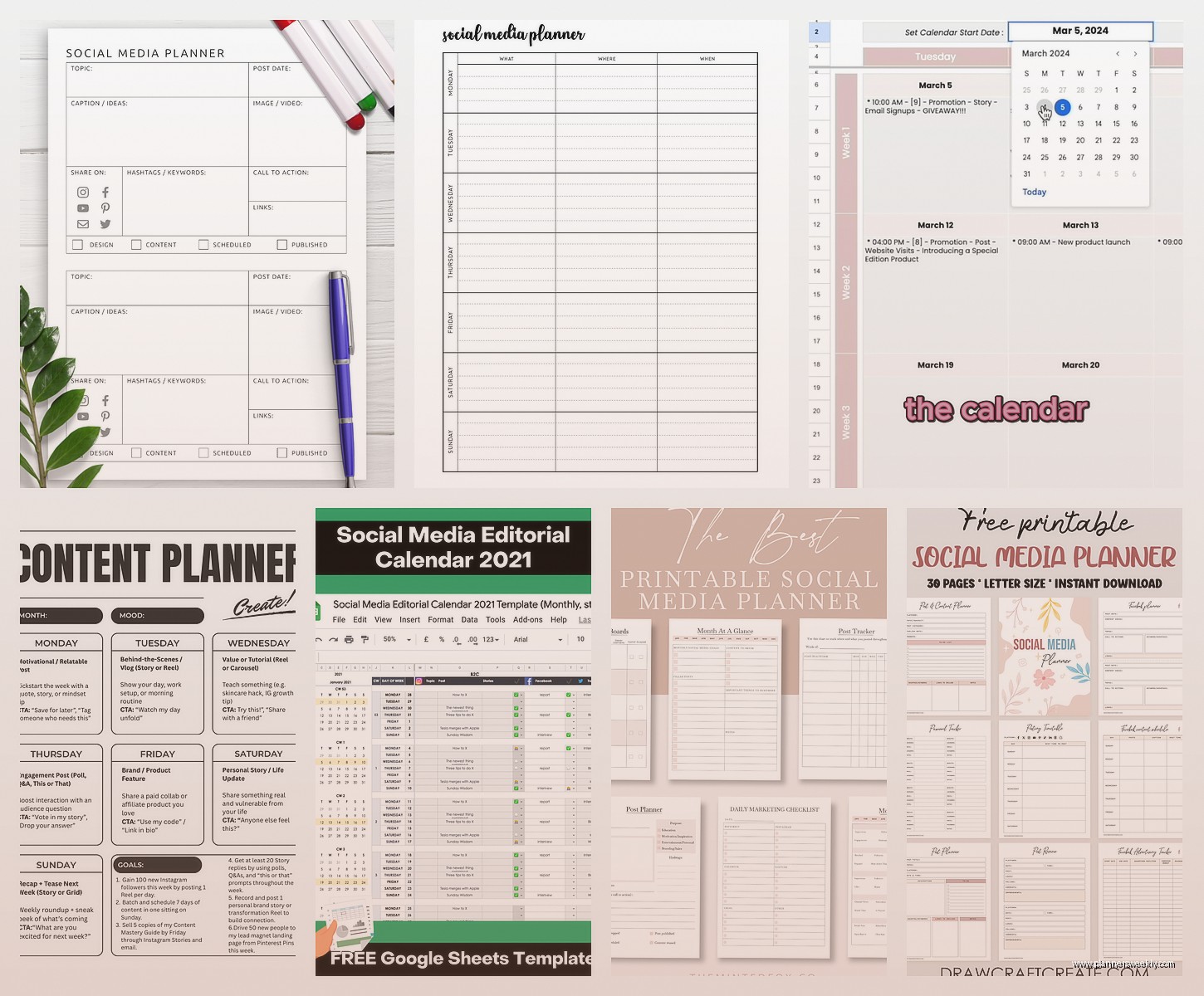
They’re cheap (usually $5-15) and you can start using them immediately. The quality varies wildly. Some are clearly made by actual designers who understand user experience, others are just pretty fonts on a page with barely functional layouts.
Things That Make Printable Templates Actually Usable
The paper size matters more than you’d think. US Letter versus A4 versus A5. I printed an A4 template on Letter paper once and the margins were all weird. Check before you buy.
Undated is better than dated unless you’re buying it in December for the new year. Undated means you can start any time and if you skip a week (you will skip weeks, we all do) you don’t have blank dated pages staring at you with judgment.
Black and white versus color – this is personal preference but color ones use so much ink. I printed a full-color 90-page template and my printer died halfway through. Now I only buy grayscale or minimal color designs.
Specific Printable Templates Worth It
The “Social Media Content Planner” by PaperHeartsDesign on Etsy is like $8 and has monthly, weekly, and daily pages plus these content brainstorming worksheets. I actually use the brainstorming pages, which is rare for me because usually that stuff feels like fluff.
There’s one called “Influencer Planner” (even if you’re not an influencer it works fine) that has sections for tracking sponsored content deadlines, brand partnership notes, and media kit updates. Super specific but if you do any kind of collaboration content, it’s helpful to have dedicated space for that.
The Planning Framework That Actually Works
Okay so funny story, I spent years trying different planning methods and making everything complicated. Content pillars, strategic themes, 90-day campaigns, whatever. And like… that works for some people and some brands but for most of us it’s overkill.
Here’s the framework I actually use now and recommend to clients:
Start With Monthly Themes
Not like strict themes where every single post has to fit. Just loose focus areas. January might be “new year planning,” February “love/community,” March “spring refresh.” It gives you direction without being restrictive.
In your template (whatever format you chose), write the month’s theme at the top of your monthly overview page. When you’re stuck for content ideas, you can refer back to it.
Batch Your Content Types
This is where the weekly template pages matter. For each week, decide your content type mix before you plan specific posts. Like:
- 2 educational posts
- 1 promotional post
- 2 engagement/community posts
- 1 personal/behind-the-scenes post
- 1 curated/shared content
Those ratios will be different for everyone but having a rough formula means you’re not scrambling every day like “what should I post today.” The templates that have content type indicators or categories built in make this easier.
Use a Content Bank System
This is the thing that changed everything for me. Whether you’re using paper or digital, you need somewhere to dump content ideas when they hit you. Because they never hit you when you’re sitting down to plan, they hit you at random times.
In paper templates, this might be a notes section at the back or dedicated “ideas” pages. In digital templates, it’s usually a separate database, board, or tab. Just somewhere you can write “carousel idea about common mistakes” or “story series interviewing customers” without having to assign it to a specific date yet.
Every Sunday (or Monday or whenever you do weekly planning), you review your content bank and pull ideas into your scheduled calendar. Way less stressful than staring at blank calendar boxes trying to invent content from nothing.
Platform-Specific Planning Considerations
Your template needs to accommodate different platform requirements unless you’re only posting to one platform (which… I mean, fair, but most people are juggling at least two or three).
Instagram Planning
Instagram needs more visual planning than other platforms. The grid layout matters, color schemes, feed aesthetics. Some templates have little grid preview boxes where you can sketch or color-code what posts will look like together.
The Planoly app actually has free planning features that show you grid preview. Not technically a template but works alongside one. You can plan your feed layout there and track posting schedule in your main template.
For stories, most templates don’t include story planning which is annoying because stories are huge for engagement. I added my own section to templates – just a small box each day for story ideas or series. Like “Monday motivation quote,” “Wednesday behind-the-scenes,” “Friday Q&A.”
TikTok and Reels
Short-form video content needs different planning. You’re thinking in terms of hooks, trending sounds, video concepts rather than static images and captions. Good templates have space to note audio/sound ideas, trending hashtags you wanna jump on, series ideas.
I use the notes section in most templates for this, just a running list of video concepts. When I see a trending sound I wanna use, I add it there with a note about my angle on it.
LinkedIn and Twitter Planning
These are more text-focused so the planning looks different. You’re often drafting longer captions or thread ideas. Templates need more space for copy versus image descriptions.
LinkedIn especially benefits from planning because the algorithm seems to favor consistent posting but the content takes more thought than like, a random Instagram story. I block out LinkedIn content separately in my template – usually two posts per week with actual caption drafts written out.
Special Template Features That Are Actually Useful
Okay so beyond the basic calendar layouts, some templates have extra features that seem gimmicky but actually help.
Analytics Tracking Pages
Most templates include some version of analytics tracking. Monthly stats pages where you record follower growth, engagement rates, top-performing posts. I used to skip these completely because manually tracking analytics felt tedious.
But then I started actually doing it (just monthly, not obsessively) and it does help you see patterns. Like oh, carousel posts always do better for me, or posting on Tuesday mornings gets more engagement than Friday afternoons.
The templates that make this easy have simple input fields. Just boxes for “followers start of month,” “followers end of month,” “average engagement rate,” “top post.” If it’s asking you to calculate seventeen different metrics, you’re not gonna do it.
