
Digital Productivity, Online planners, Planners
Best Undated Daily Planners: Flexible Planning Solutions
May
Okay so I’ve been testing undated daily planners for like three months now because honestly the dated ones were making me feel guilty every time I skipped a day, and here’s what actually works.
Why Undated Actually Makes Sense
The thing about undated planners is you don’t waste pages when life gets chaotic. I had this beautiful dated planner last year and there’s literally a two-week gap in March where I got the flu and then felt too guilty to go back to it. With undated, you just pick up where you left off and nobody’s judging you for those blank pages.
But here’s what nobody tells you, some undated planners are basically just notebooks with fancy covers. You need actual structure or you’ll just end up with an expensive journal you never use.
The Ones I Actually Use
Panda Planner Daily
This one surprised me because I thought the whole gratitude section would be too much but it’s actually pretty minimal. Each page has morning priorities, schedule blocks, and an end of day review. The paper is thick enough that my Micron pens don’t bleed through which is huge for me.
What I like is the layout doesn’t assume you work 9-5. There’s no pre-printed times so you can block out your day however it actually looks. I’ve been using it for client sessions and it works whether I have three appointments or eight.
The binding lays flat which sounds like a small thing until you’re trying to write in a planner that keeps snapping shut. My cat knocked it off my desk twice and the binding’s still solid so there’s that.
Ink+Volt Daily Planner
This is gonna sound weird but this planner changed how I think about my days. It’s got this focus section at the top where you write your main goal, then breaks down into scheduled time and a running task list.
The pages are undated but they include the day of the week boxes you fill in yourself. I thought that would be annoying but it actually helps me remember what day it is, which working from home I definitely need help with.
Paper quality is chef’s kiss. I use fountain pens sometimes and there’s zero ghosting. It’s pricier than some others but you’re paying for quality that actually lasts. Mine’s been in my bag getting beaten up for two months and still looks decent.
Clever Fox Daily Planner
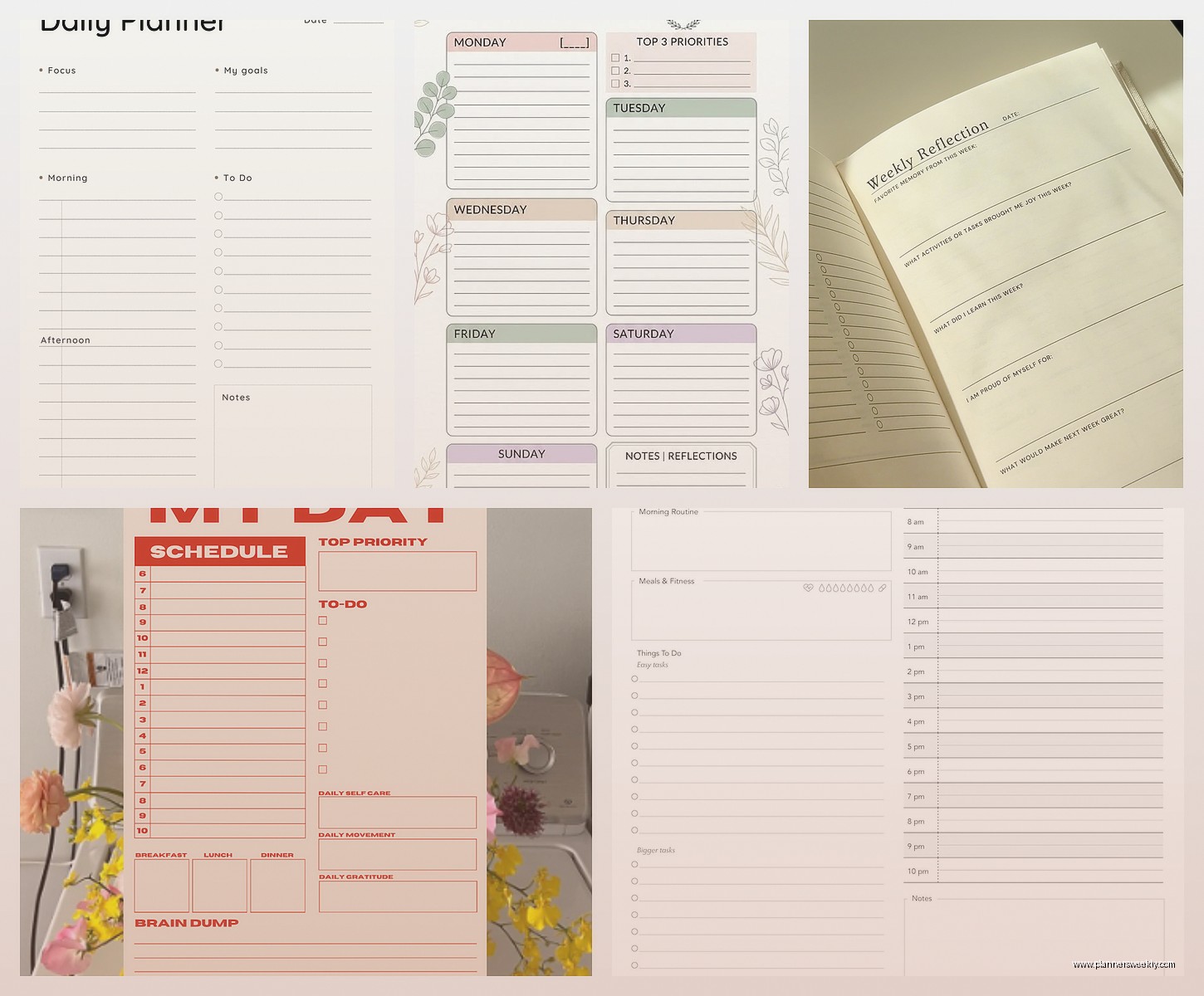
If you want structure without feeling micromanaged, this is it. Each page has sections for top priorities, schedule, notes, and habit tracking. The habit tracker is just small circles you fill in which is way less pressure than those elaborate tracking spreads.
I tested this during a really busy product launch month and the layout kept me sane. You can see your whole day at a glance without flipping between pages. The only downside is the cover’s kinda slippery so it slides around on my desk.
Oh and another thing, it comes with stickers which I thought I’d never use but turns out little star stickers when you complete something hard actually feel good at 40, who knew.
The Minimalist Options
Leuchtturm1917 Daily Planner Undated
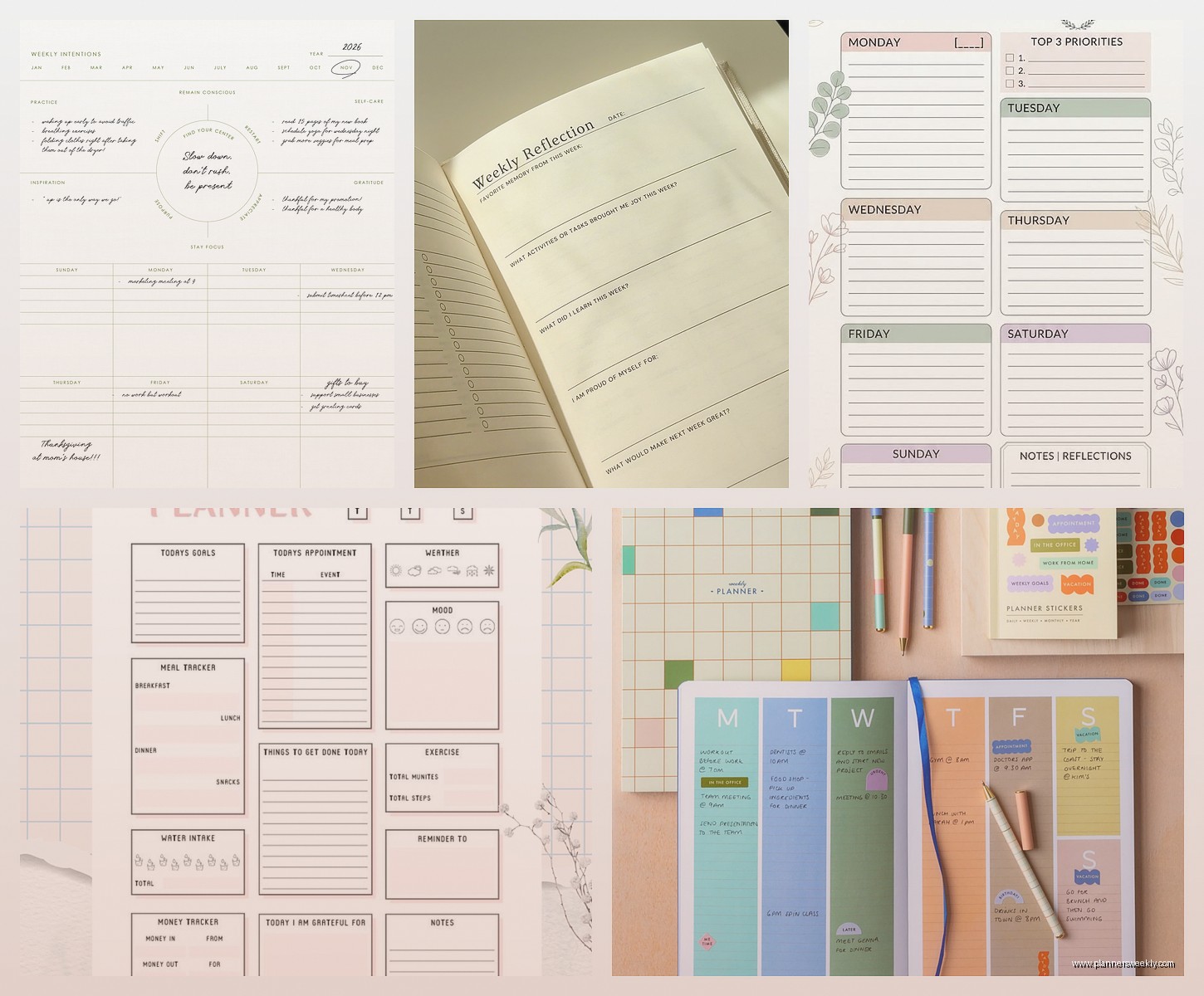
This is basically the grown-up version of a planner. No motivational quotes, no gratitude prompts, just clean lines and space to write. Each page has a date section you fill in and then it’s mostly blank with subtle time markers on the side.
The paper is that thin-but-doesn’t-bleed kind which is perfect if you’re gonna carry it everywhere. It’s lightweight compared to some of the chunkier planners. I use this one when I travel because it fits in smaller bags.
The numbered pages and index are actually useful if you’re the kind of person who needs to reference back to specific days. I numbered my client session pages and can find notes from any meeting pretty quick.
Mossery Daily Planner
Wait I forgot to mention this one earlier but it deserves attention. The layouts are super pretty without being distracting, lots of white space which my brain needs. Each page has sections for schedule, tasks, and notes but they’re not rigidly separated.
The covers come in different designs and they’re sturdy. I got the one with the blue geometric pattern and it’s held up really well. The elastic closure actually stays put unlike some cheaper planners where it gets stretched out.
This is good if you want something that feels special but you’re not into the whole productivity culture aesthetic. It’s just nice to use without being extra about it.
What to Actually Look For
Okay so after testing like fifteen different planners here’s what matters:
Paper quality is non-negotiable. If your pen bleeds through you’re gonna stop using it. I learned this the hard way with a gorgeous planner that looked amazing but every page was a ghosting nightmare. Test it with your actual pens if you can.
The binding needs to either lay flat or be spiral. Those perfect-bound planners that don’t open properly? You’ll hate writing in them. I’ve got one sitting on my shelf right now that I gave up on because fighting with it every day was too annoying.
Size matters but not how you think. I thought I wanted a big planner with tons of space but it never left my desk. The A5 size hits that sweet spot where you have room to write but can still throw it in a bag. Unless you literally never move your planner, skip the giant ones.
Layout structure depends on your brain. Some people need every hour blocked out. I need sections but not rigid time slots because my schedule changes constantly. Figure out what you’ll actually fill in before you buy.
The Ones That Didn’t Work for Me
This is gonna sound harsh but the Happy Planner daily inserts were too much. Too many sections, too many things to fill out, it felt like homework. Maybe if you’re super into planning as a hobby it works but for actual daily use it was overwhelming.
Also tried the Erin Condren daily planner and the vertical layout just didn’t click with my brain. I kept forgetting to look at the bottom section. Plus it’s dated which defeats the whole point of this guide but I tested it anyway because people kept recommending it.
The Baron Fig Confidant daily pages are too minimal even for me. It’s basically just a nice notebook with dates. If you’re gonna go that minimal just get a regular notebook and save money.
How to Actually Use These Things
Here’s what I figured out after wasting the first month of planning:
Fill it out the night before or first thing in the morning, not both. I was doing both for a while and it was redundant. Pick one time and stick with it. I do mine at night now because then I can sleep instead of thinking about everything I need to do.
Don’t write down stuff you’ll automatically do. I was writing “check email” and “morning coffee” for like two weeks before I realized that was pointless. Only write the things you might forget or need to prioritize.
The habit trackers are only useful if you track like three things max. I tried tracking eight habits and lasted four days. Now I track three and actually do it consistently.
Use the notes section for actual notes not just decoration. I see people on Instagram with these gorgeous planners full of washi tape and stickers and like two words written. If that makes you happy cool, but the notes section is prime real estate for capturing thoughts.
Combining With Digital
Okay so funny story, I tried to go full paper for a month and missed two client calls because I forgot to check my planner. Now I use Google Calendar for anything time-sensitive and the planner for daily priorities and planning.
Digital is better for recurring events and reminders. Paper is better for thinking through your day and tracking what you actually accomplished. They work together not against each other.
I write my top three priorities in my planner but keep my full calendar digital. Then I’m not duplicating effort but I also have that physical act of writing which helps stuff stick in my brain.
The Real Talk Part
No planner is gonna fix your life if you don’t actually use it. I’ve bought probably twenty planners thinking each one would be the magic solution. They’re tools not magic wands.
Start with one that matches your actual life not your aspirational life. I wanted to be someone who journals and tracks gratitude and does elaborate planning spreads. I’m not. I need simple layouts I can fill out in five minutes. Buy for who you are.
The best planner is the one you’ll actually open every day. Doesn’t matter if it’s the most beautiful or has the best reviews. I use three different planners depending on what I’m doing because different tools for different needs makes sense.
Also you’re gonna have days where you don’t use it and that’s fine. The undated format means you can skip days without guilt. That’s literally the whole point. Don’t let the planner become another thing you feel bad about.
My Current Setup
Right now I’m using the Ink+Volt for work days and the Leuchtturm for personal stuff. The Panda Planner is in my bag as backup for when I’m out all day. Is this excessive? Probably. Does it work for me? Yeah.
I tried doing everything in one planner but my work and personal tasks have different rhythms. Separating them helps me actually disconnect at the end of the day instead of seeing tomorrow’s work tasks while planning dinner.
My client actually asked about this last week and I showed her my setup. She looked at me like I was nuts but then admitted she has three notebooks going so we’re all just doing our best out here.
The key thing with undated planners is they grow with you. Your needs in January might be different than June and you can adjust without feeling like you wasted pages. That flexibility is worth way more than having pre-printed dates.
