
Digital Productivity, Online planners, Planners
Day to Day Planner: Best Daily Planning Systems
May
Okay so I’ve been testing daily planners for the past three months because honestly my old system completely fell apart during that whole work-from-home transition and I needed something that actually worked for real life, not just Instagram photos.
The Stuff That Actually Gets Used vs The Pretty Ones
Here’s the thing nobody tells you about daily planners – the gorgeous ones with all the fancy sections? They sit on your desk looking pretty while you scribble everything on random post-its. I learned this the hard way after buying like four different “comprehensive planning systems” that were basically just complicated enough that I’d skip days and then feel guilty about it.
The Passion Planner was my first attempt at getting serious. It’s got this whole goal-setting framework which sounds amazing but honestly if you’re just trying to remember to call the dentist and finish that report, the morning reflection prompts feel like… a lot. I used it for about six weeks before I started just using the daily sections and ignoring everything else. Which actually worked fine? But then you’re paying for a premium planner and using maybe 40% of it.
Time Blocking Systems That Don’t Make You Wanna Cry
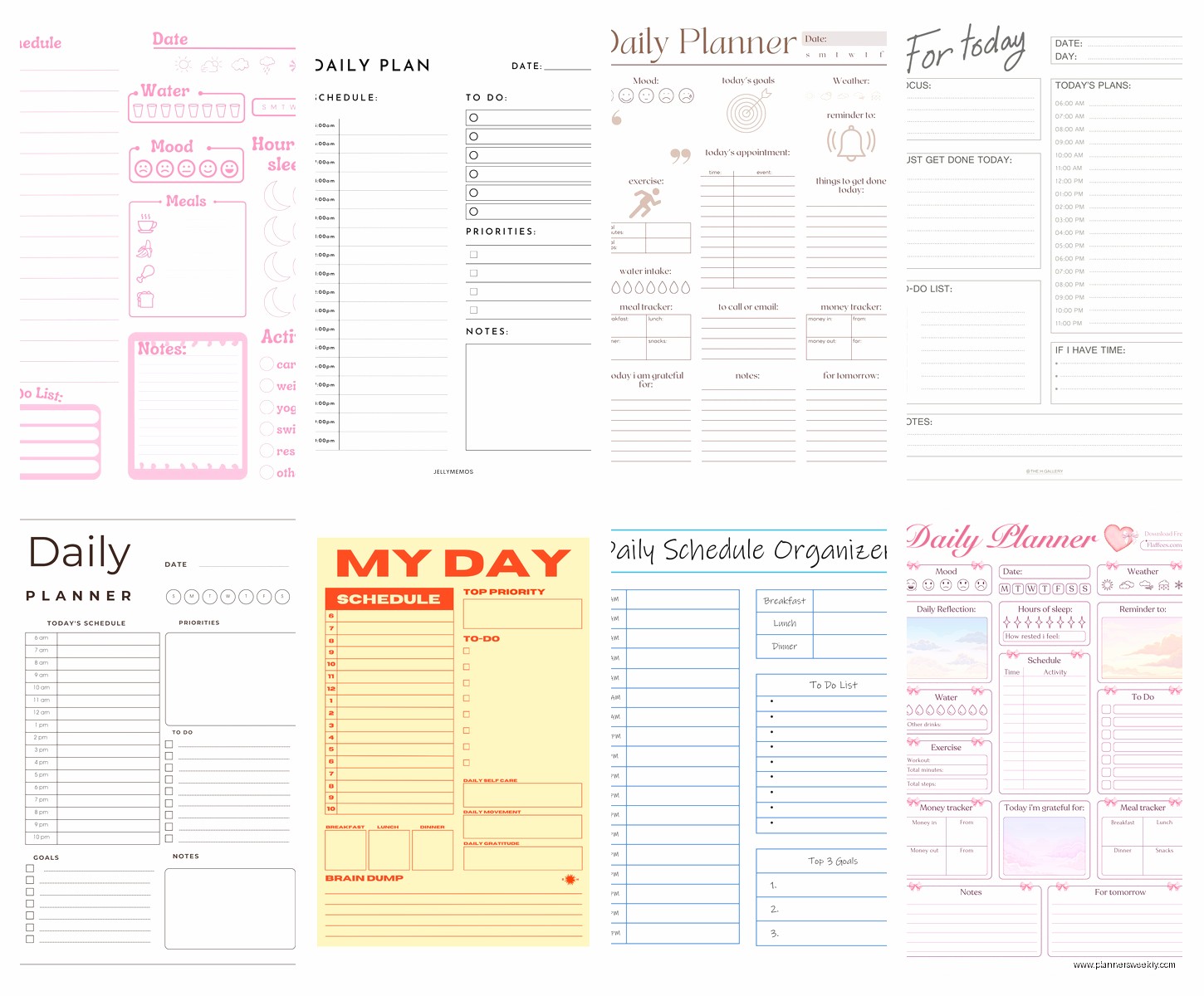
The Structured Day planner changed everything for me though. It’s literally just hourly blocks from 5am to 9pm with a small section for notes. Super boring looking. But I actually fill it out because there’s no pressure to be profound or track seventeen different life categories. You just block your time and move on.
Time blocking sounds intense but it’s honestly just writing down “9-10am: emails, 10-11:30: actual work, 11:30-12: pretend to work but actually scroll Twitter” and then you have a realistic view of your day. I started doing this and realized I was scheduling like 14 hours of tasks into an 8 hour workday which… explains a lot about why I always felt behind.
Oh and another thing – some people swear by digital time blocking in Google Calendar but I need to physically write it down or my brain doesn’t register it as real. Something about the hand-writing connection, I dunno, there’s probably science about it but basically if I type it I forget it immediately.
The Bullet Journal Situation
We gotta talk about bullet journaling because everyone’s gonna recommend it and look, I have Opinions. I tried it for four months with the fancy Leuchtturm notebook everyone uses and the Stabilo fineliners and the whole thing.
Bullet journaling works amazing if you have the specific brain type that likes building systems. You know who you are. You’re the person who actually enjoys setting up new software and creating the perfect filing system. For those people, BuJo is genuinely perfect because you design exactly what you need.
For everyone else? It’s a part-time job. I was spending Sunday evenings drawing out weekly spreads with a ruler while my husband watched football and honestly I started dreading it. Then I’d skip a week and feel like I’d failed at… journaling? Which is supposed to help, not create more guilt.
The Hybrid Approach That Saved Me
Wait I forgot to mention – there’s this middle ground that actually works really well. Get a pre-made daily planner but use bullet journal concepts in it. So I use the Structured Day planner I mentioned but I adapted the bullet journal rapid logging system (the little dots and dashes for tasks vs notes vs events).
This means I get the structure without the setup time. Game changer.
The key symbols I actually use:
- Dot for tasks that need doing
- Circle for events (meetings, appointments)
- Dash for notes or ideas
- X through the dot when something’s done
- Arrow when I migrate a task to tomorrow (this happens… a lot)
That’s it. I tried using like 8 different symbols at first (priorities! inspiration! delegated tasks!) but couldn’t remember what the weird triangle meant by Tuesday.
Digital vs Paper Because Everyone Asks
Okay so funny story – I was Team Digital for years. Had everything in Todoist with tags and projects and filters. Super organized digitally. Could not tell you a single thing I accomplished because I’d check things off and they’d just vanish into the completed task void.
Paper planners force you to see your whole week even after tasks are done. You can flip back and go “oh yeah I actually did finish that entire project on Wednesday” instead of just feeling like you’re never making progress. This is gonna sound weird but the physical record of crossed-off items matters psychologically.
That said, I still use digital for:
- Recurring tasks (not writing “pay rent” every single month)
- Shopping lists because my phone’s always with me at the store
- Shared tasks with my husband because he will never look at my paper planner
- Anything with a specific time reminder (medication, important calls)
The trick is knowing which tool for what job. I spent way too long trying to force everything into one system when using two systems is actually simpler.
Specific Planners Worth Your Money
Full Focus Planner is expensive but if you’re someone who needs the structure of quarterly goals broken down into daily actions, it’s worth it. My client Sarah uses this and swears by it. I borrowed hers for two weeks and it was… too much planner for me? But she’s a project manager so that tracks.
The Daily Page planners (like Commit30 or similar brands) give you a full page per day. Sounds excessive but if you’re in a job with tons of meetings and notes, having that space means you’re not trying to cram everything into tiny boxes. I used one during a particularly meeting-heavy project and it was actually perfect for that season. Wouldn’t use it normally though because it feels wasteful on light days.
The Cheap Option That’s Legitimately Good
Blue Sky planners from Target or Amazon are like $12 and honestly? Totally functional. They’re not gonna change your life but they have daily blocks, a notes section, and they don’t fall apart. I recommend these to people who aren’t sure if they’ll stick with paper planning because you’re not out $40 if you abandon it after three weeks.
My dog ate the corner of mine once and I wasn’t even that upset because replacement cost was just lunch money.
The Method Behind the Planner
This matters more than which specific planner you buy, real talk. You can have the perfect planner and still not use it if you don’t have a system for actually planning.
Here’s what works for me after testing like every productivity method: Sunday evening or Monday morning, I do a weekly brain dump. Everything that needs to happen this week goes on a list – work tasks, personal stuff, that thing I’ve been putting off for three weeks, all of it.
Then I go through each day and assign tasks based on:
- When they’re actually due
- How much energy they need (not scheduling 4 high-focus tasks on one day anymore, learned that lesson)
- Any fixed appointments that day
- Realistic time available (if I have 3 hours of meetings, I’m not also finishing a 4-hour project)
Every evening I spend literally five minutes looking at tomorrow and adjusting if needed. That’s it. No elaborate evening routine, no reviewing my life goals, just “okay what’s actually happening tomorrow and is this list realistic.”
The Migration Thing You Gotta Accept
Some tasks will move to the next day. And the next day. And maybe one more day after that. This used to make me feel like I was failing at planning but here’s the truth – if something keeps getting migrated for a week, either it’s not actually important or there’s a reason you’re avoiding it.
When I notice a task migrating repeatedly, I either:
- Schedule it for a specific time block so it actually happens
- Break it into smaller pieces because it’s too overwhelming
- Delete it because apparently I don’t actually care about reorganizing the garage
The planner just makes this visible. Without it I’d just have a vague sense of things I should be doing but never am.
What About Morning and Evening Routines
Oh wait, so many planners have these routine tracker sections and I have thoughts. They’re useful if you’re trying to build specific habits, totally useless if you just want to plan your day.
I tried tracking morning routines for like two months – checking off meditation, exercise, healthy breakfast, journaling, all that. You know what happened? I’d have a rough morning, not check the boxes, and then feel bad about myself before 9am. Super productive, great start to the day.
Now I just have a basic morning checklist on a post-it stuck to my planner:
- Meds
- Check calendar
- Review top 3 tasks
- Start working
That’s it. If I exercise great, if not, whatever. The planner is for planning work and life logistics, not judging my wellness routine.
The Stuff Nobody Mentions But Matters
Size actually matters way more than you’d think. I bought a big beautiful desk planner once and it just… sat on my desk. Couldn’t take it to meetings, couldn’t use it anywhere else. Now I use a half-size planner (like 5.5 x 8 inches) that fits in my bag but is still big enough to actually write in.
Binding type – spiral is practical because it lays flat but the spiral gets bent in bags. Hardcover bound planners are sturdier but won’t lay completely flat. Disc-bound is cool if you like customizing but the discs catch on everything. I’ve settled on spiral because I’m gonna destroy any planner anyway after a year of use.
Paper quality matters if you use gel pens or markers but honestly most planners have decent enough paper now. The $12 Blue Sky ones are totally fine for ballpoint or felt tip pens.
The Real Secret Nobody Wants To Hear
The best planner is the one you’ll actually open every day. I know that sounds like a cop-out answer but I’ve tested premium planners that sat unopened and cheap planners I used until they fell apart. The difference wasn’t the planner, it was whether it fit into my actual daily workflow.
If you’re at a desk all day, a big planner with lots of space makes sense. If you’re running around, something portable matters more than having room for detailed notes. If you hate structure, bullet journaling works better than pre-made formats. If you hate setup, pre-made formats work better than blank pages.
There’s no perfect system, just the system that matches how you actually work rather than how productivity influencers say you should work.
I’m currently using the Structured Day planner with bullet journal rapid logging, a weekly brain dump process, and realistic daily task limits (3-5 actual tasks, not 47). It’s working for now. In six months maybe I’ll need something different and that’s fine.
The planner is just a tool. You still gotta do the work, and you still gotta be honest about what you can actually accomplish in a day. But having a system that shows you what you’re committing to and holds you gently accountable? That part actually helps.
